Safe Sex Positions During Pregnancy: A Complete Guide
Discover safe and comfortable sex positions during pregnancy. Learn which positions work best for each trimester and how to maintain intimacy.
Sex during pregnancy is completely safe for most couples and can even strengthen your bond before the baby arrives. The key is choosing positions that accommodate your changing body and keeping communication open.
“Sex during pregnancy is completely safe for most women. The baby is protected by the amniotic sac, uterine muscles, and cervical mucus plug. However, certain conditions like placenta previa, preterm labor risk, or unexplained bleeding may require abstaining. Always consult your healthcare provider if you have concerns.” — Dr. James Chen, Board-Certified OB/GYN
Research from The Journal of Sexual Medicine (2020) found that 85% of women with uncomplicated pregnancies continued sexual activity throughout pregnancy with no adverse effects. Side-lying and woman-on-top positions were consistently rated as most comfortable.
Is Sex During Pregnancy Safe?
For most pregnancies, sex is perfectly safe. The baby is protected by:
- The amniotic sac — A strong, fluid-filled cushion
- The cervix — Mucus plug blocks bacteria
- The uterine walls — Strong muscle protection
When to avoid sex:
- Doctor advises against it
- Placenta previa (placenta covers cervix)
- Preterm labor risk
- Unexplained bleeding
- Ruptured membranes
- Cervical insufficiency
Always consult your healthcare provider if you have concerns.
Trimester-by-Trimester Guide
First Trimester (Weeks 1-12)
Common challenges:
- Nausea and fatigue
- Breast tenderness
- Hormonal changes
- Low energy
Best positions:
- Spooning — Comfortable and low-energy
- Side-lying — Minimal effort required
- Woman on top — Control depth and pace
- Seated — Comfortable and intimate
Tips:
- Morning sex may work best (nausea often worse later)
- Keep sessions shorter if fatigued
- Use pillows for support
- Communicate about comfort levels
Second Trimester (Weeks 13-26)
Common experience:
- Energy often returns
- Increased blood flow can heighten sensation
- Belly starts to show
- New body dynamics
Best positions:
- Spooning — Accommodates growing belly
- Side-lying — Very comfortable
- Hands and knees — Relieves pressure on belly
- Edge of bed — Good angle and comfort
- Woman on top — Full control
Tips:
- This is often the “honeymoon” trimester for sex
- Use pillows to support the belly
- Experiment with angles
- Enjoy the increased sensitivity
Third Trimester (Weeks 27-40)
Common challenges:
- Large belly limits positions
- Back pain
- Shortness of breath
- Discomfort
Best positions:
- Spooning — Most comfortable
- Side-lying — Minimal effort
- Hands and knees — Relieves belly pressure
- Seated — Good for late pregnancy
- Standing with support — Different angle
Tips:
- Use plenty of pillows
- Go slowly
- Stop if anything feels uncomfortable
- Focus on intimacy, not just intercourse
The 10 Safest Pregnancy Positions
1. Spooning (Side-Lying)
The gold standard for pregnancy sex:
- Both partners lie on their sides
- Penetrating partner enters from behind
- Receiving partner can place pillow between knees
- Comfortable for all trimesters
Why it works: No pressure on the belly, comfortable for long sessions, allows for cuddling.
2. Side-Lying Face-to-Face
An intimate variation:
- Both partners lie on their sides facing each other
- Receiving partner’s top leg draped over partner’s hip
- Allows for kissing and eye contact
- Very comfortable and intimate
Why it works: Maintains intimacy while accommodating the belly.
3. Hands and Knees (Modified Doggy)
Relieves pressure on the belly:
- Receiving partner on hands and knees
- Penetrating partner enters from behind
- Belly hangs freely (no pressure)
- Can use pillows under hands and knees
Why it works: Eliminates belly pressure entirely, allows for different angles.
4. Edge of the Bed
Good for later trimesters:
- Receiving partner lies at edge of bed
- Penetrating partner stands at the edge
- Receiving partner can bend knees for comfort
- Good angle for shallow penetration
Why it works: Accommodates the belly while allowing for penetration.
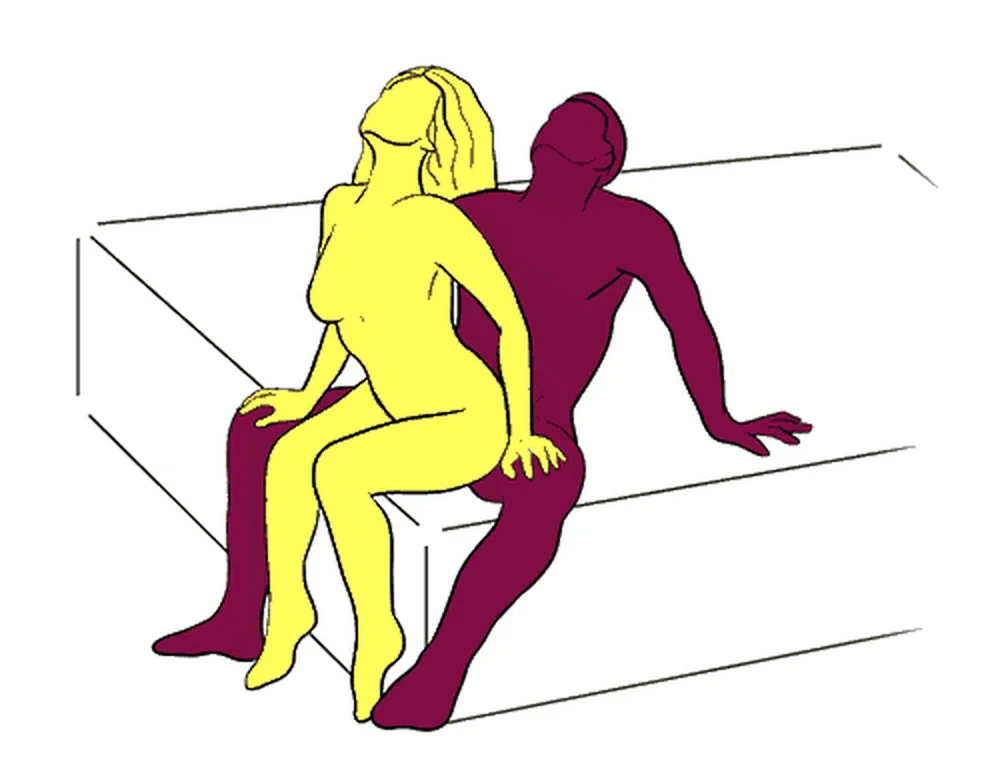
5. Seated Position
Comfortable for late pregnancy:
- Penetrating partner sits on chair or bed edge
- Receiving partner sits on their lap face-to-face
- Full body contact and intimacy
- Easy to control depth
Why it works: Very comfortable, allows for face-to-face intimacy.
6. Woman on Top (Modified)
The receiving partner on top with modifications:
- Receiving partner straddles the penetrating partner
- Leans back slightly (hands on partner’s chest or bed)
- Controls depth and pace completely
- Belly rests on partner’s body
Why it works: Complete control over comfort and depth.
7. The Kotekasu (Side-Entry)
A variation for comfort:
- Receiving partner lies on side at bed edge
- Penetrating partner stands at edge
- Receiving partner’s top leg rests on partner’s shoulder
- Good angle for shallow penetration
Why it works: Accommodates the belly while allowing for different angles.
8. Supported Doggy
Using furniture for support:
- Receiving partner leans over counter, table, or bed
- Knees slightly bent for comfort
- Penetrating partner enters from behind
- Belly hangs freely
Why it works: Reduces strain on wrists and knees, accommodates belly.
9. The Pregnancy Pillow Position
Using a pregnancy pillow for maximum comfort:
- Receiving partner lies on side with full body pillow
- Pillow supports belly and between legs
- Penetrating partner enters from behind
- Maximum comfort and support
Why it works: The pillow provides support for the belly and joints.
10. Manual and Oral Focus
Intercourse isn’t the only option:
- Manual stimulation
- Oral sex
- Sensual massage
- Outercourse (penetration without intercourse)
Why it works: Maintains intimacy without the physical demands of intercourse.
Tips for Comfortable Pregnancy Sex
Communication
- Talk about what feels good — Bodies change constantly
- Express concerns — If something feels wrong, speak up
- Check in regularly — Comfort levels change
- Be honest about desires — It’s normal for desire to fluctuate
Physical Comfort
- Use pillows — Support the belly and joints
- Go slowly — No need to rush
- Try different angles — What worked before may not work now
- Use lubricant — Hormonal changes can cause dryness
- Stay hydrated — Drink water before and after
Emotional Connection
- Maintain intimacy — Sex isn’t the only way to connect
- Cuddle regularly — Physical touch maintains bond
- Talk about fears — Address anxieties together
- Celebrate this time — Pregnancy can bring you closer
Common Concerns
”Will sex hurt the baby?”
No. The baby is well-protected by the amniotic sac, cervix, and uterine walls. Sexual activity doesn’t harm the baby.
”Is it normal to have bleeding after sex?”
Some spotting can be normal due to increased blood flow to the cervix. However, consult your provider if bleeding is heavy or accompanied by pain. For more information, see our bleeding after sex guide.
”My partner is afraid to hurt me or the baby.”
Reassure your partner that sex is safe. If they’re still uncomfortable, focus on other forms of intimacy.
”I have no desire for sex.”
This is completely normal. Hormonal changes, body image concerns, and fatigue can all affect desire. Focus on other forms of intimacy and communicate with your partner.
”Can orgasm cause labor?”
Orgasm can cause mild uterine contractions, but these are not the same as labor contractions. Sex is only a concern if you’re at risk for preterm labor.
When to Stop
Consult your healthcare provider if you experience:
- Unexplained bleeding
- Pain during sex
- Fluid leaking
- Regular contractions
- Dizziness or fainting
After Baby Arrives
Sex after childbirth requires patience:
- Wait for clearance — Usually 6 weeks postpartum
- Start slowly — Begin with non-penetrative intimacy
- Use lubrication — Hormonal changes cause dryness
- Communicate openly — Discuss concerns and comfort
- Be patient — Bodies need time to heal
Remember: pregnancy is a time of profound change, but it doesn’t mean the end of intimacy. By choosing safe, comfortable positions and maintaining open communication, you can continue to enjoy a fulfilling intimate life throughout your pregnancy.
Frequently Asked Questions
Is sex during pregnancy safe for most couples?
Yes, sex during pregnancy is completely safe for most couples with uncomplicated pregnancies. The baby is well-protected by the amniotic sac, cervical mucus plug, and uterine walls. Research shows that 85% of women with uncomplicated pregnancies continue sexual activity throughout pregnancy with no adverse effects. Always consult your healthcare provider if you have specific concerns or conditions like placenta previa or preterm labor risk.
Which positions are safest during pregnancy?
The safest positions during pregnancy include spooning (side-lying), hands and knees (modified doggy), woman on top, and seated positions. These positions accommodate your changing body, avoid pressure on the belly, and allow you to control depth and pace. Side-lying and woman-on-top positions are consistently rated as most comfortable across all trimesters.
Can orgasm cause preterm labor?
Orgasm can cause mild uterine contractions, but these are not the same as labor contractions and are generally harmless. Sex is only a concern if you’re at risk for preterm labor or have been advised by your healthcare provider to avoid sexual activity. For most pregnancies, orgasm poses no risk to the baby.
What if I have no desire for sex during pregnancy?
This is completely normal. Hormonal changes, body image concerns, fatigue, and physical discomfort can all affect desire during pregnancy. Focus on other forms of intimacy like cuddling, sensual massage, or oral sex. Communicate openly with your partner about your feelings, and remember that desire often fluctuates throughout pregnancy.
When should I avoid sex during pregnancy?
Consult your healthcare provider and avoid sex if you have placenta previa, preterm labor risk, unexplained bleeding, ruptured membranes, cervical insufficiency, or if your doctor advises against it. Always stop and seek medical attention if you experience pain, bleeding, fluid leaking, or regular contractions during or after sex.
How can I maintain intimacy if intercourse becomes uncomfortable?
There are many ways to maintain intimacy without intercourse: oral sex, manual stimulation, sensual massage, outercourse (penetration without intercourse), and cuddling. Focus on emotional connection through touch, communication, and closeness. Remember that intimacy is about connection, not just intercourse.
Related Reading
- Sex During Pregnancy: Complete Guide — Comprehensive overview of sexual health during pregnancy
- Pain During Sex Guide — Understanding and addressing discomfort
- Sensual Massage Guide — Build intimacy through touch
- Sex Positions for Back Pain — Comfortable positions for physical limitations
- Sex After Menopause — Navigating sexual changes
- Building Sexual Confidence — Enhance your intimate self-image
Written by
CoupleSexPosition
Expert Verified
Reviewed by certified health professionals for accuracy and safety.
Meet Our Experts