Airplane
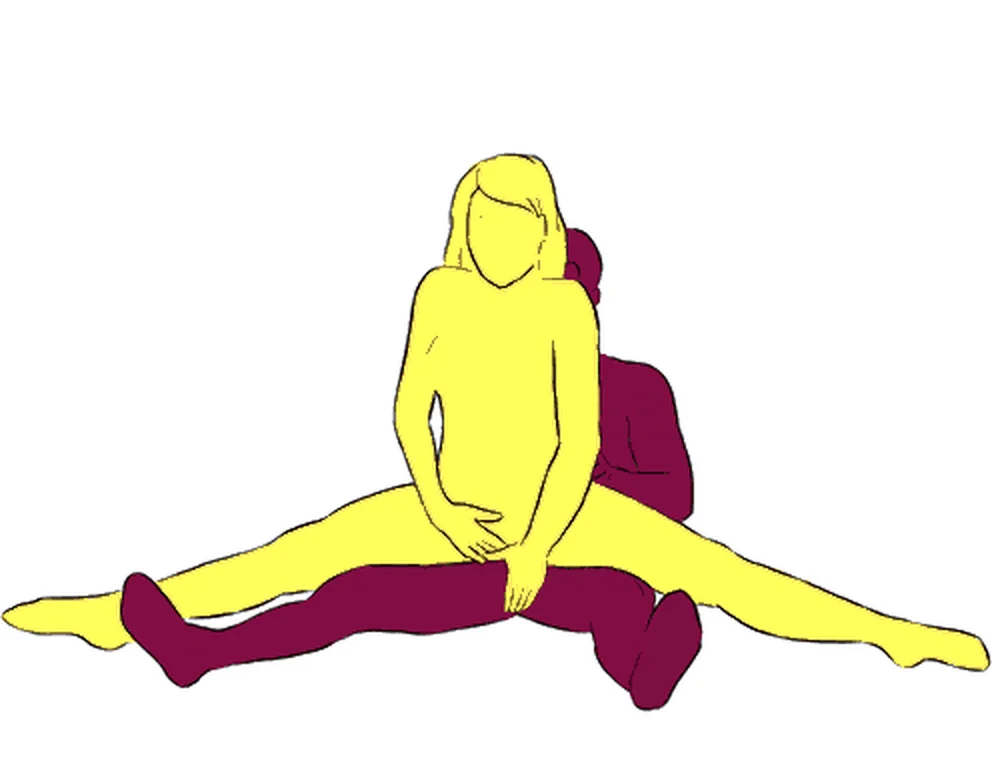
A flying position with the receiver lifted and soaring.
About This Position
The receiving partner is lifted off the ground like an airplane, supported by the penetrating partner's strength. The position creates a feeling of flying and weightlessness while maintaining intimate connection.
Best For
Anatomy & Physiology
Muscle Groups Involved
- Glutes
- Hip flexors
- Core
- Inner thighs
Angle of Penetration
Deep penetration, angle varies with positioning
Targeted Pleasure Zones
Body Contact Points
Step-by-Step Guide
The penetrating partner stands with feet shoulder-width apart near a wall or sturdy furniture for balance. Bend your knees slightly to create a stable base — you will be bearing your partner's full weight.
Tip: Test your stance before the lift. Lean against a wall for your first attempt until you're confident in your balance.
The receiving partner faces you and wraps their legs around your waist, arms around your neck. Their hands should grip your shoulders or the back of your neck for support.
Tip: The receiving partner should grip firmly — a loose hold makes the lift unstable and dangerous.
Squat slightly, place your hands under the receiving partner's thighs, and lift by straightening your legs. Drive upward with your quads and glutes — never lift with your back.
Tip: If you feel strain in your lower back, stop immediately and lower your partner. The lift must come from your legs.
Once lifted, enter slowly at the angle created by the standing position. The receiving partner's elevated hips create a steep angle for deep penetration.
Tip: Start with shallow thrusts to confirm the angle is comfortable for both partners before going deeper.
The receiving partner wraps their legs and arms tightly around you. This full-body cling is essential for stability — it prevents sliding and keeps you connected.
Tip: If the receiving partner's grip loosens, pause thrusting and re-establish the wrap before continuing.
Keep sessions under 60 seconds. The standing partner's muscles fatigue rapidly under full body weight. Communicate immediately about fatigue and lower your partner safely to the ground.
Tip: Have a clear signal for "put me down" — a tap on the shoulder works well when verbal communication is difficult.
Safety & Precautions
Warnings
- ! Requires significant strength and balance from one or both partners.
- ! Keep sessions brief to avoid fatigue.
Modifications
- * Start with simpler variations and progress gradually.
- * Use a soft surface for safety.
Not recommended during pregnancy — the position may be uncomfortable or unsafe.
Medical References & Sources
The information on this page has been reviewed for accuracy by certified health professionals. The following peer-reviewed and authoritative sources were used in developing this guide:
- • Mayo Clinic — Sexual Health
- • American College of Obstetricians and Gynecologists (ACOG) — Sexual Health
- • National Institute of Child Health and Human Development (NICHD)
- • Cleveland Clinic — Sexual Health
- • Healthline — Healthy Sex & Relationships
Health Disclaimer: Always consult a healthcare professional before trying new positions, especially if you have back pain, joint issues, are pregnant, or have any medical condition. Stop immediately if you experience pain.
Pros
- + Creates a feeling of flying
- + Very deep penetration angle
- + Thrilling and adventurous
- + Full body contact while airborne
Cons
- - Requires significant strength
- - Can be dangerous if not careful
- - Difficult to maintain for long
- - Not for beginners
Tips
- * The lifter should have a strong, stable stance
- * The flyer should hold on tight
- * Practice the lift without penetration first
Common Mistakes to Avoid
Even with the right technique, small errors can reduce pleasure or increase injury risk. Here are the most common mistakes couples make with the Airplane position:
Lifting with the back instead of legs
The lift must come from the quads and glutes. Bending at the waist and lifting with the back under full body weight can cause serious injury.
Not having a wall or support nearby
Without external support, the standing partner must maintain all balance while bearing weight. A wall provides crucial safety backup if balance falters.
Holding the airborne position too long
The standing partner's muscles fatigue rapidly under full body weight. Holding for more than 30-60 seconds risks dangerous loss of grip.
The receiver not wrapping tightly enough
If the receiving partner doesn't grip firmly with legs and arms, they can slide during the lift. A secure wrap is essential for safety.
Variations to Try
Once you've mastered the basic Airplane, these variations can add new sensations and keep things exciting:
Add a Pillow
Place a pillow under the receiving partner's hips to change the angle of penetration and enhance stimulation.
Incorporate Manual Stimulation
Use hands to add clitoral or other external stimulation during the position for enhanced pleasure.
Slow Down the Pace
Switch from thrusting to grinding for a more intimate, sensation-focused experience.
Try Different Surfaces
Move from the bed to a couch, standing, or against a wall for different angles and experiences.
Related Positions
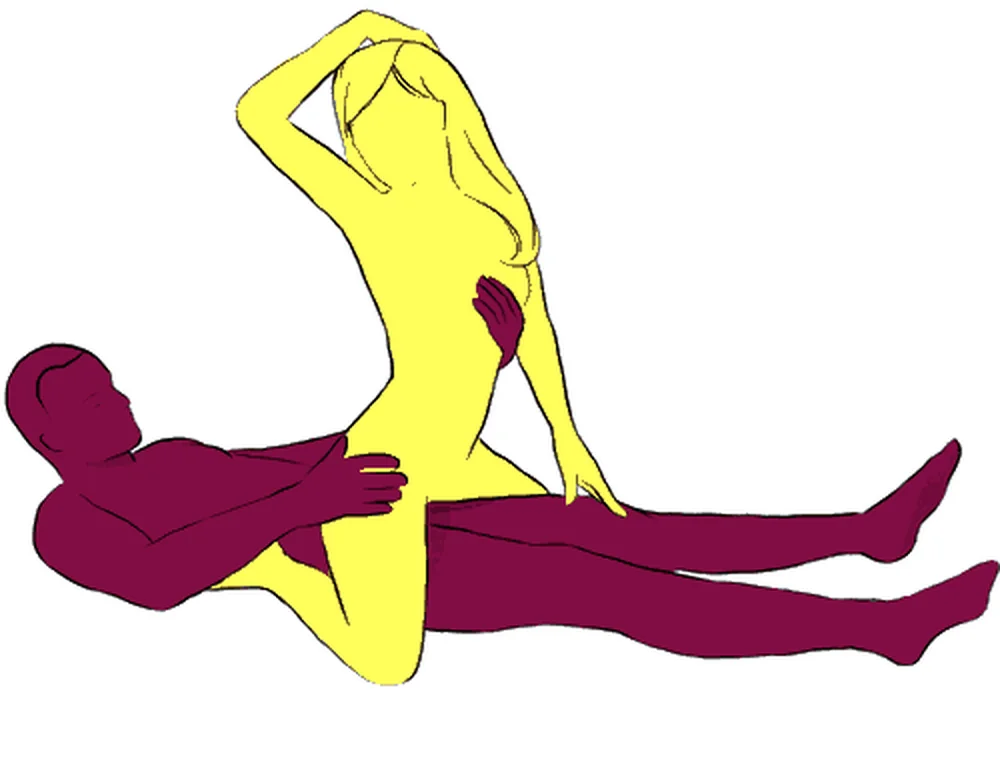 🔄
Reverse Cowgirl
A fresh angle that brings a new dimension of pleasure.
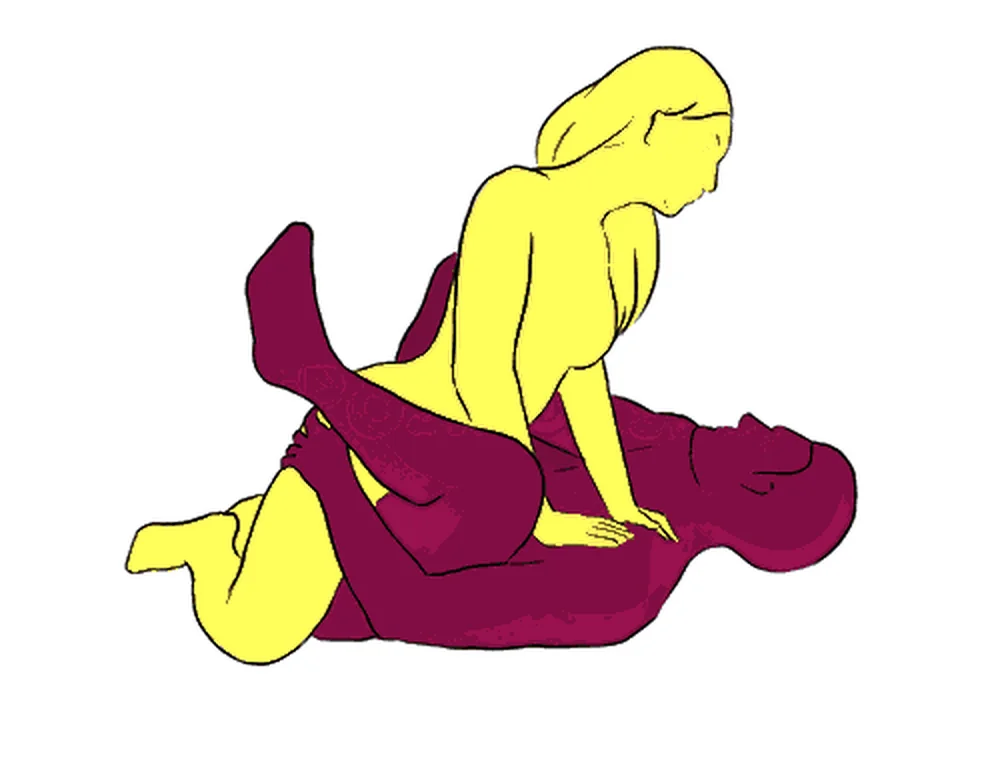 ⚔️
Amazon
A powerful, dominant position named after fierce warriors.
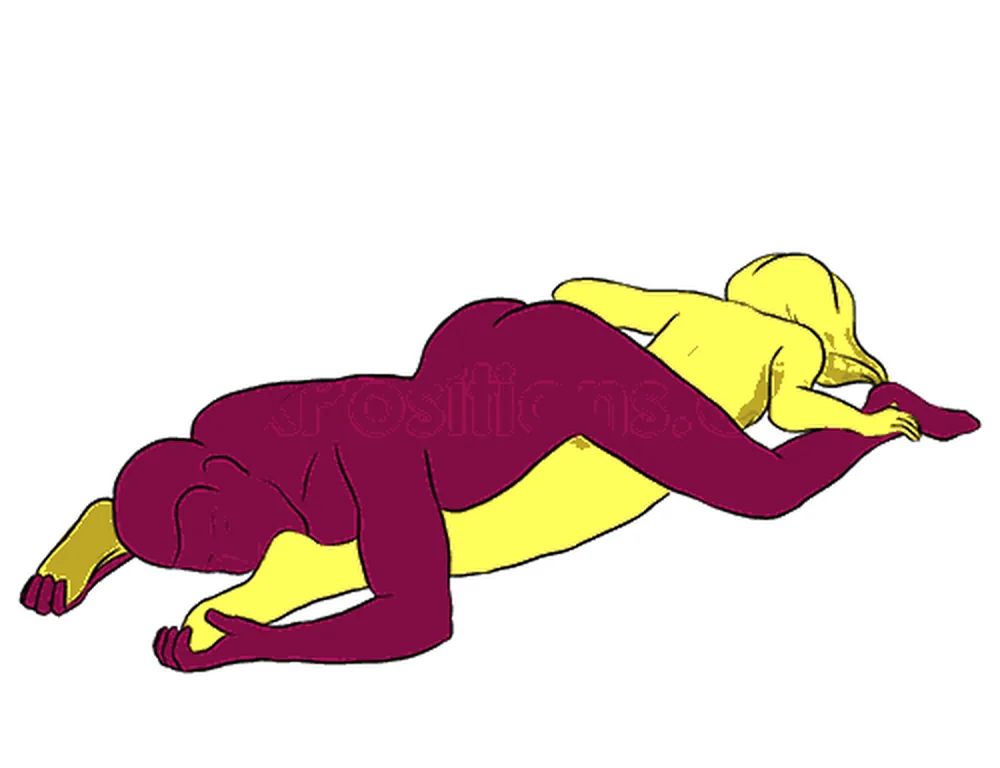 🚁
Helicopter
A spinning, dynamic position for adventurous couples.
 🗼
Eiffel Tower
A three-person position with DP and oral stimulation.
 🤠
Reverse Cowboy
A reversed cowgirl variation with the receiver facing away.
 🦀
Crab
A crab-walk position facing upward for a unique angle.
Written by Dr. Sarah Mitchell
Certified Sex Therapist, PhD in Human Sexuality
Reviewed by Dr. James Chen
Board-Certified OB/GYN, 15+ Years Experience
Last reviewed: July 2026 | Content medically verified | Meet our full team
User Reviews
Rate this position
No reviews yet. Be the first to rate this position!