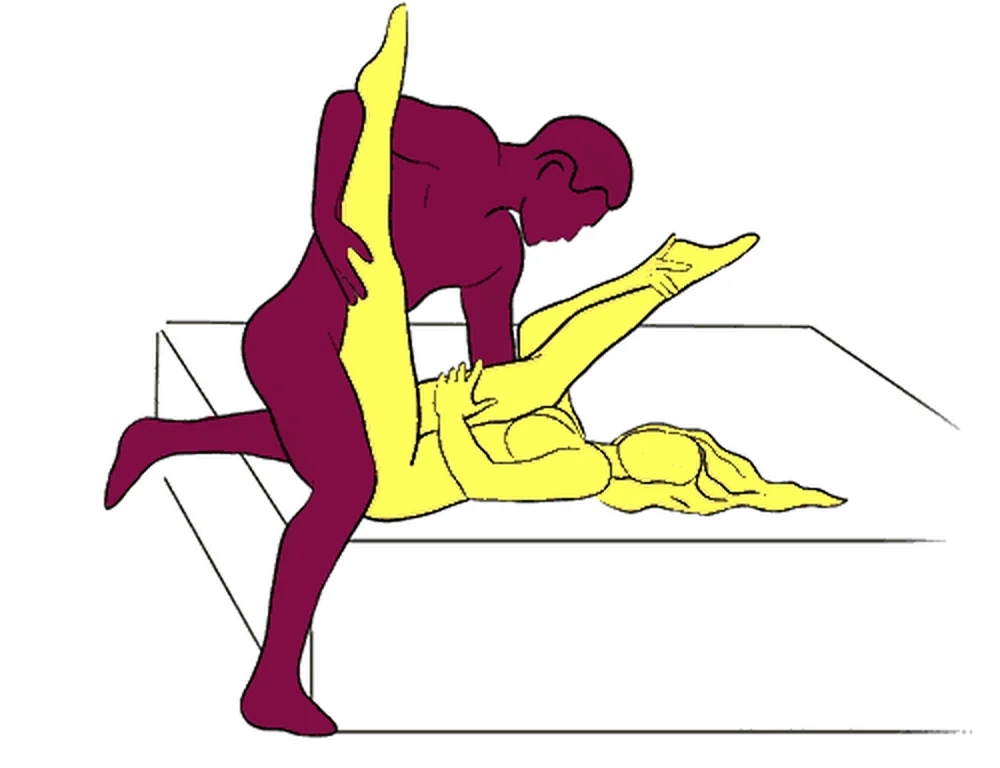
Sex After Hysterectomy: A Complete Guide to Recovery and Intimacy
Everything you need to know about sex after hysterectomy. Learn about timing, changes, positions, and how to rebuild intimacy after surgery.
Sex after hysterectomy is completely possible and can be fulfilling, but many women have questions about timing, changes, and how to navigate intimacy after surgery. This comprehensive guide addresses all your concerns.
“Hysterectomy doesn’t end sexuality — it transforms it. Many women report better sex after hysterectomy because they no longer experience pain, bleeding, or pregnancy anxiety. The key is patience, communication with your partner, and adapting to your body’s new responses. Recovery takes time, but the results can be remarkably positive.” — Dr. James Chen, Board-Certified OB/GYN
Research from The Journal of Sexual Medicine (2019) found that 82% of women who had hysterectomy for benign conditions reported satisfactory sex life within one year of surgery, with 34% reporting improved sexual satisfaction due to elimination of pain and bleeding.
Understanding Hysterectomy and Its Impact
Types of Hysterectomy
Total Hysterectomy:
- Removal of uterus and cervix
- Ovaries may or may not be removed
- Most common type
Partial Hysterectomy (Supracervical):
- Removal of upper uterus only
- Cervix remains intact
- May affect sexual sensation differently
Radical Hysterectomy:
- Removal of uterus, cervix, and surrounding tissue
- Often performed for cancer
- May have more significant impact on sensation
Bilateral Salpingo-Oophorectomy:
- Removal of both ovaries and fallopian tubes
- Often performed with hysterectomy
- Causes immediate menopause
What Changes After Hysterectomy
Physical Changes:
- No more menstruation
- No more pregnancy risk
- Potential hormonal changes (if ovaries removed)
- Possible changes in vaginal length or elasticity
- Scarring at surgical site
Potential Sexual Changes:
- Temporary or permanent changes in arousal
- Possible changes in orgasm intensity
- Vaginal dryness if ovaries removed
- Changes in cervical stimulation response
- Potential for shorter vaginal length
Timing: When Can You Have Sex?
General Guidelines
Without Complications: Usually 6-8 weeks post-surgery With Complications: May be 12+ weeks Always: Follow your surgeon’s specific advice
Signs You’re Ready
- No pain during daily activities
- Cleared by your surgeon
- No unusual bleeding or discharge
- Comfortable with gentle touch
- Emotional readiness (not just physical)
What to Expect First Time
- May feel different than before
- Possible mild discomfort
- Normal to feel nervous
- Communication with partner essential
- Stop if pain occurs
Physical Changes and Solutions
Vaginal Dryness
Cause: Especially common if ovaries removed
Solutions:
- Water-based lubricants: Reapply as needed
- Vaginal moisturizers: Use regularly (not just during sex)
- Vaginal estrogen: Low-dose local treatment (discuss with doctor)
- Hydration: Drink plenty of water
- Extended foreplay: Allows natural lubrication to build
Changes in Sensation
What You Might Notice:
- Less cervical stimulation
- Different orgasm intensity
- Altered vaginal sensation
- Changes in arousal patterns
Adaptations:
- Explore new erogenous zones
- Try different positions
- Use vibrators for additional stimulation
- Focus on clitoral stimulation
- Communicate what feels good
Vaginal Length or Elasticity Changes
Solutions:
- Vaginal dilators: Gradually restore elasticity
- Pelvic floor exercises: Strengthen supporting muscles
- Lubrication: Reduces friction
- Patient approach: Allow time for healing
Pain or Discomfort
Normal:
- Mild discomfort first few times
- Tenderness at scar site
- Temporary sensitivity
When to See Doctor:
- Severe pain
- Bleeding during or after sex
- Pain that persists beyond initial encounters
- Signs of infection
Hormonal Considerations
If Ovaries Were Removed
You’ll experience surgical menopause with:
- Sudden hormone drop
- More intense symptoms than natural menopause
- Greater impact on sexual function
Treatments:
- Hormone Replacement Therapy (HRT): Discuss benefits/risks with doctor
- Vaginal estrogen: Local treatment with fewer systemic effects
- Non-hormonal options: For those who can’t take hormones
If Ovaries Were Preserved
- Natural menopause will occur eventually
- May have temporary hormonal fluctuation
- Usually less dramatic sexual changes
- Monitor for changes over time
Best Positions After Hysterectomy
Recommended Positions
1. Spooning (Side-Lying): For more spooning variations, see our spooning position guide:
- Minimal pressure on abdomen
- Comfortable for healing
- Allows partner to control depth
- Great for extended intimacy
2. Woman on Top: For more woman on top variations, see our cowgirl position guide:
- You control depth and pace
- Reduces pressure on surgical site
- Allows you to stop if discomfort occurs
- Great for exploring new sensations
3. Modified Missionary
- Place pillow under hips
- Partner supports weight on arms
- Shallow penetration comfortable
- Face-to-face intimacy maintained
4. Doggy Style (Modified)
- Use pillows for support
- Partner enters from behind
- Reduces abdominal pressure
- Allows control of depth
Positions to Approach Carefully
- Deep penetration positions (initially)
- Positions requiring abdominal strain
- Any position causing discomfort
Emotional and Psychological Aspects
Common Emotional Responses
- Grief: For lost fertility or body changes
- Anxiety: About pain or performance
- Body image concerns: Scar visibility, changes
- Fear of rejection: Worry partner won’t find you attractive
- Relief: No more pain, bleeding, or pregnancy worry
Addressing Emotional Challenges
For You:
- Allow yourself to grieve changes
- Practice self-compassion
- Seek support from others who’ve had hysterectomy
- Consider therapy if struggling
- Focus on what hasn’t changed
For Your Partner:
- Communicate fears and concerns
- Ask for reassurance
- Allow partner to express their feelings
- Consider couples counseling
- Remember: your worth isn’t tied to body parts
Rebuilding Confidence
- Start with non-sexual touch
- Relearn your body’s responses
- Celebrate small victories
- Focus on pleasure, not performance
- Be patient with yourself
Communication with Your Partner
Before Reintroducing Sex
Discuss:
- Fears and concerns
- What you’re comfortable with
- What you want to explore
- How your partner can support you
- Your medical team’s recommendations
During Intimacy
Communication Tips:
- Use simple, clear language
- Say what feels good
- Stop if something doesn’t work
- Check in regularly
- Express appreciation
If Your Partner Has Concerns
- Listen without defensiveness
- Educate about what’s changed (and what hasn’t)
- Involve them in medical appointments
- Reassure them about your desires
- Consider couples therapy
Enhancing Intimacy Without Penetration
Alternative Sexual Activities
Oral Sex: Usually safe after full healing Manual Stimulation: Great for exploration Vibrators: External vibrators provide clitoral stimulation Sensate Focus: Non-penetrative touch exercises Erotic Massage: Builds connection and arousal
Emotional Intimacy
- Kissing and cuddling
- Sharing fantasies
- Bathing together
- Massage without expectation
- Verbal expressions of love and desire
When to Consult Your Doctor
Warning Signs
- Pain during or after sex
- Bleeding during or after sex
- Unusual discharge
- Signs of infection (fever, odor, swelling)
- Persistent pain despite trying different positions
- Emotional distress affecting recovery
Questions for Your Doctor
- When is it safe for me to resume sex?
- What changes should I expect?
- Are there treatments for vaginal dryness?
- Should I consider hormone therapy?
- Are there pelvic floor exercises I should do?
- What are warning signs I should watch for?
Pelvic Floor Recovery
Why It Matters
Hysterectomy can affect pelvic floor muscles:
- Reduced support for vaginal walls
- Potential changes in orgasm
- Possible bladder control issues
- Impact on sexual sensation
Kegel Exercises
How to Find the Right Muscles:
- Imagine stopping urine flow
- Squeeze those muscles
- Hold for 5 seconds
- Release for 5 seconds
Exercise Routine:
- Start with 5 repetitions, 3 times daily
- Gradually increase to 10 reps, 3 times daily
- Hold for 10 seconds each
- Be consistent for best results
Professional Help
Consider seeing a pelvic floor physical therapist for:
- Personalized exercise program
- Manual therapy if needed
- Biofeedback training
- Progressive dilator therapy
Long-Term Outlook
Positive Outcomes
Many women report:
- Better sex than before: No pain, bleeding, or pregnancy worry
- Increased freedom: Enjoy intimacy without anxiety
- Deeper connection: Working through challenges together
- New discoveries: Finding different sources of pleasure
- Improved health: Resolution of previous symptoms
Ongoing Considerations
- Vaginal health may change over time
- Hormonal needs may evolve
- Regular gynecological care remains important
- Continue pelvic floor exercises
- Maintain open communication with partner
Resources and Support
Professional Support
- Gynecologist: Medical concerns and treatments
- Pelvic Floor Therapist: Physical recovery
- Sex Therapist: Emotional and relational concerns
- Couples Counselor: Relationship support
Support Groups
- HysterSisters (online community)
- Local support groups through hospitals
- American Association of Sexuality Educators, Counselors and Therapists (AASECT)
Conclusion
Sex after hysterectomy is not only possible but can be deeply fulfilling. Recovery takes time, patience, and communication. Every woman’s experience is unique, and what works for one may not work for another. The key is to listen to your body, communicate openly with your partner and healthcare providers, and give yourself grace during the adjustment period.
Frequently Asked Questions
When can I have sex after hysterectomy?
Without complications, usually 6-8 weeks post-surgery. With complications, it may be 12+ weeks. Always follow your surgeon’s specific advice. Signs you’re ready include no pain during daily activities, clearance from your surgeon, no unusual bleeding, and emotional readiness.
Will sex feel different after hysterectomy?
Yes, some changes are normal. You may experience less cervical stimulation, different orgasm intensity, and altered vaginal sensation. However, many women report better sex because they no longer experience pain, bleeding, or pregnancy anxiety. Exploring new erogenous zones and focusing on clitoral stimulation helps.
How do I deal with vaginal dryness after hysterectomy?
Water-based lubricants, vaginal moisturizers (used regularly), vaginal estrogen (low-dose local treatment), staying hydrated, and extended foreplay all help. If ovaries were removed, surgical menopause causes more intense dryness, so vaginal estrogen is often recommended.
Can I still have orgasms after hysterectomy?
Yes. While the cervix is removed, the clitoris and other erogenous zones remain. Many women report that orgasms become different but still pleasurable. Focus on clitoral stimulation, use vibrators if needed, and explore new sources of pleasure.
How do I talk to my partner about concerns?
Choose a neutral time, be honest about your feelings, listen to their concerns, and consider couples counseling if needed. For more communication tips, see our how to talk about positions guide.
When should I see a doctor?
See a doctor if you experience pain during or after sex, bleeding during or after sex, unusual discharge, signs of infection, persistent pain despite trying different positions, or emotional distress affecting recovery.
Related Reading
- Pelvic Floor Exercises — Recovery exercises after surgery
- Sex After Menopause Guide — Navigating hormonal changes
- Building Sexual Confidence — Feeling great about your body
- Sensual Massage Guide — Rebuilding touch after surgery
- Rebuilding Intimacy Guide — Reconnecting after health challenges
- Desire Discrepancy Guide — When partners want different things
Written by
CoupleSexPosition
Expert Verified
Reviewed by certified health professionals for accuracy and safety.
Meet Our Experts