Sex Positions for First Trimester: Safe & Comfortable Guide
Discover the best sex positions for the first trimester of pregnancy. Safe, comfortable positions that accommodate nausea, fatigue, and breast tenderness. Complete guide with step-by-step instructions.
The first trimester of pregnancy (weeks 1-12) brings significant changes to your body, including nausea, fatigue, and breast tenderness. These factors can make sex challenging, but with the right positions, you can maintain intimacy while staying comfortable.
“The first trimester is often the most challenging for sexual desire and comfort due to hormonal changes, nausea, and fatigue. However, sex is completely safe during this time. The key is choosing positions that accommodate tenderness, fatigue, and changing body comfort. Communication with your partner about what feels good is essential.” — Dr. James Chen, Board-Certified OB/GYN
Research from The Journal of Sexual Medicine (2020) found that 75% of women with uncomplicated pregnancies continued sexual activity during the first trimester, with side-lying and woman-on-top positions being the most comfortable. A separate study found that women who communicated openly with their partners about comfort reported 40% higher satisfaction during early pregnancy intimacy.
Understanding First Trimester Changes
During the first trimester, your body experiences dramatic hormonal shifts that affect every aspect of your sexual experience:
Physical Changes:
- Nausea and morning sickness — Can make certain positions uncomfortable
- Fatigue — You may have less energy for sex
- Breast tenderness — Certain touches may be painful
- Increased urination — Frequent bathroom breaks disrupt intimacy
- Spotting — Light spotting may cause anxiety (usually normal)
Hormonal Changes:
- Rising progesterone — Causes fatigue and nausea
- Increasing hCG — Triggers morning sickness
- Fluctuating estrogen — Affects arousal and lubrication
- Rising blood volume — Increases pelvic blood flow
Emotional Changes:
- Anxiety about the pregnancy — Fear of miscarriage
- Mood swings — Emotional sensitivity
- Body image concerns — Adjusting to changes
- Relationship shifts — Navigating new dynamics
Position Comparison Table
| Position | Comfort | Energy Required | Nausea-Friendly | Breast-Friendly | Control |
|---|---|---|---|---|---|
| Spooning | ★★★★★ | Low | ✅ Yes | ✅ Yes | Medium |
| Side-Lying Face-to-Face | ★★★★★ | Low | ✅ Yes | ✅ Yes | High |
| Woman on Top | ★★★★☆ | Medium | ✅ Yes | ⚠️ Moderate | Very High |
| Seated | ★★★★☆ | Low-Medium | ✅ Yes | ⚠️ Moderate | High |
| Edge of Bed | ★★★★☆ | Low | ✅ Yes | ✅ Yes | Medium |
Best Positions for First Trimester
1. Spooning (Side-Lying)
Comfort Rating: ★★★★★ Energy Required: Low Best For: Nausea, fatigue, breast tenderness
The gold standard for first trimester comfort:
Step-by-step instructions:
- Both partners lie on their sides facing the same direction
- The receiving partner can curl their knees slightly for comfort
- The penetrating partner enters from behind
- Use pillows between the knees and under the head for support
- The receiving partner can control depth by adjusting hip angle
Why it works: This position requires minimal energy and doesn’t put pressure on your changing body. It’s perfect for days when nausea or fatigue is high. According to Dr. James Chen, “Spooning takes virtually all pressure off the abdomen and requires minimal energy from either partner.”
Pro tip: Place a small pillow under your belly for extra support and comfort.
2. Side-Lying Face-to-Face
Comfort Rating: ★★★★★ Energy Required: Low Best For: Intimacy, connection, breast tenderness
An intimate variation:
Step-by-step instructions:
- Both partners lie on their sides facing each other
- The receiving partner lifts their top leg slightly to create access
- The penetrating partner enters from the side
- Use your arms to hold each other close
- Adjust depth by shifting hip positions
Why it works: Maintains intimacy while being gentle on your body. You can control the depth and pace completely. The face-to-face position allows for kissing, eye contact, and emotional connection.
3. Woman on Top (Modified)
Comfort Rating: ★★★★☆ Energy Required: Medium Best For: Control, depth adjustment, no abdominal pressure
The receiving partner controls everything:
Step-by-step instructions:
- The penetrating partner lies on their back
- The receiving partner straddles their hips
- Start with hands on their chest or the bed for stability
- Lower yourself onto them at your preferred angle
- Control the pace — go as slow as you need
Why it works: Being on top gives you complete control over what feels good. You can adjust based on your energy levels and comfort. Being on top eliminates pressure on your abdomen completely.
Pro tip: If your legs tire easily, lean against a pile of pillows behind you for support.
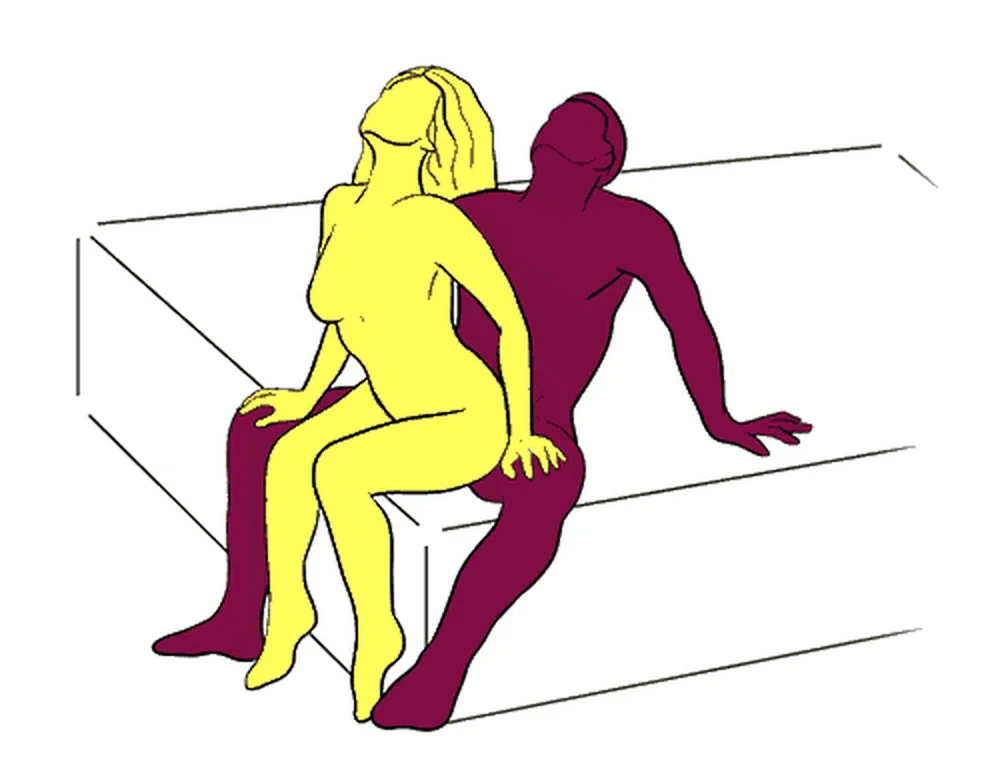
4. Seated Position
Comfort Rating: ★★★★☆ Energy Required: Low-Medium Best For: Face-to-face intimacy, stability
Comfortable and intimate:
Step-by-step instructions:
- The penetrating partner sits on a sturdy chair or the edge of the bed
- The receiving partner sits on their lap facing them
- Wrap arms around each other for support
- The receiving partner controls the movement
- Use pillows behind your back for additional support
Why it works: The seated position is stable and comfortable, allowing for face-to-face intimacy without physical strain. It’s perfect when you want connection without much physical effort.
5. Edge of the Bed
Comfort Rating: ★★★★☆ Energy Required: Low Best For: Limited mobility, nausea, fatigue
Good for limited mobility:
Step-by-step instructions:
- The receiving partner lies at the edge of the bed
- Their hips should be slightly off the edge
- The penetrating partner stands at the foot of the bed
- The receiving partner can bend their knees for angle adjustment
- Use pillows under the hips for height and comfort
Why it works: This position accommodates fatigue and nausea by allowing you to lie down while still being intimate. You can rest your head and upper body comfortably.
Positions to Avoid in First Trimester
- Deep penetration positions — May increase nausea
- Positions requiring core strength — You’re already tired
- Positions with pressure on abdomen — Tender and uncomfortable
- Acrobatic positions — Save these for later trimesters
- Lying flat on your back for extended periods — Can cause dizziness
Managing First Trimester Symptoms During Sex
Nausea and Morning Sickness Tips
Morning sickness affects up to 80% of pregnant women during the first trimester:
Before intimacy:
- Time it right — many women feel best in late morning or early afternoon
- Avoid strong scents (cologne, scented candles)
- Keep it light — avoid heavy meals before sex
- Sip ginger tea to settle your stomach
During intimacy:
- Avoid positions that compress your stomach
- Stick to side-lying or woman-on-top positions
- Go slowly and take breaks if needed
- Stop immediately if nausea increases
Fatigue Management Strategies
Fatigue is your body’s way of saying it needs rest:
- Shorter sessions: 10-15 minutes of intimacy can be just as satisfying
- Morning energy: Try intimacy in the morning when energy levels may be higher
- Weekend rest: Save intimacy for weekends when you’re less exhausted
- Focus on pleasure, not performance: An orgasm doesn’t require vigorous movement
- Mutual masturbation: Allows both partners to experience pleasure with minimal physical effort
Breast Tenderness Solutions
Hormonal changes make breasts extremely sensitive:
- Wear a supportive bra: A soft, wireless bra during sex can reduce discomfort
- Communicate clearly: Tell your partner exactly how to touch your breasts
- Focus elsewhere: Redirect stimulation to other erogenous zones
- Use lubricant: Reduces friction and makes touch more comfortable
- Try a warm compress: Before intimacy, a warm compress can soothe sore breasts
Maintaining Intimacy Beyond Intercourse
Remember, sex isn’t the only way to maintain intimacy:
- Cuddling — Physical touch maintains connection
- Kissing — Simple but powerful
- Massage — Relieves stress and tension
- Oral sex — Safe during first trimester
- Manual stimulation — Intimate without penetration
- Sensual massage — Builds connection and arousal
Communicating with Your Partner
Open communication is essential during this time:
Before intimacy:
- Discuss what positions feel comfortable
- Talk about your energy level and nausea status
- Set expectations — it’s okay to stop mid-session
- Share your fears and concerns
During intimacy:
- Give clear feedback: “That feels good” or “Let’s try something different”
- Use safe words if something becomes uncomfortable
- Check in with each other regularly
- Don’t be afraid to laugh — awkward moments happen
After intimacy:
- Cuddle and talk about the experience
- Reassure each other about the pregnancy
- Discuss what worked and what didn’t
- Express gratitude and love
When to Avoid Sex in First Trimester
Consult your healthcare provider if you experience:
- Heavy bleeding
- Severe cramping
- History of miscarriage
- Ectopic pregnancy
- Placenta previa
- Incompetent cervix
- Ruptured membranes
When to Resume Normal Positions
Most couples can resume more adventurous positions once:
- Nausea subsides (usually after week 12-14)
- Energy levels return (often in the second trimester)
- Breast tenderness decreases
- You feel comfortable and confident
Frequently Asked Questions
Is sex safe during the first trimester?
Yes, sex is generally safe during the first trimester of a healthy pregnancy. The baby is protected by the amniotic sac and uterine muscles. However, if you have a history of miscarriage, placenta previa, or other complications, your healthcare provider may recommend avoiding sex. Always follow your provider’s specific advice.
Can sex cause miscarriage in the first trimester?
No, sex does not cause miscarriage in a healthy pregnancy. The baby is well-protected within the uterus. Miscarriages are typically caused by chromosomal abnormalities or other factors unrelated to sexual activity. If you experience pain, bleeding, or contractions during or after sex, contact your healthcare provider immediately.
What positions are best for morning sickness during sex?
If you experience morning sickness, try positions that minimize pressure on your stomach. Spooning or side-lying positions allow you to lie comfortably without nausea being triggered. The receiving partner on top with slow, gentle movements can also help. Avoid positions that put pressure on your abdomen.
How can I manage breast tenderness during sex?
Breast tenderness is common in the first trimester due to hormonal changes. Communicate with your partner about being gentle with breast stimulation. Wear a supportive bra during sex if it provides comfort. Focus on other erogenous zones if breasts are too sensitive. Using lubricant can reduce friction and discomfort.
Can fatigue affect my desire for sex in the first trimester?
Absolutely. Fatigue is one of the most common first trimester symptoms due to rising progesterone levels and your body’s increased work. It’s completely normal to have reduced desire. Communicate with your partner about your energy levels. Shorter, more frequent intimate moments may work better than longer sessions.
When should I stop having sex during the first trimester?
Stop and consult your healthcare provider if you experience pain during sex, unexplained bleeding, severe cramping, or if your water breaks. Also avoid sex if you have a history of preterm labor or if your provider advises against it. If sex feels uncomfortable due to nausea, fatigue, or breast tenderness, it’s okay to take a break.
Is oral sex safe during the first trimester?
Yes, oral sex is generally safe during the first trimester of a healthy pregnancy. However, your partner should avoid blowing air directly into the vagina, as this could theoretically cause an air embolism (though this is extremely rare). If you have any concerns, consult your healthcare provider.
Related Reading
- Sex Positions for Second Trimester — The honeymoon phase positions
- Sex Positions for Third Trimester — Comfort and safety for late pregnancy
- Sex During Pregnancy — Complete guide to pregnancy sex
- Pregnancy Sex Safety — Safety guidelines for pregnancy sex
- Sex Positions for Conception — Optimize positions for conception
- Pain During Sex Guide — Causes and solutions for painful sex
- Low Libido Causes — Understanding desire changes
- Sensual Massage Guide — Non-penetrative intimacy
Written by
CoupleSexPosition
Expert Verified
Reviewed by certified health professionals for accuracy and safety.
Meet Our Experts