Low Doggy
A flattened doggy variation for deeper, tighter sensations.
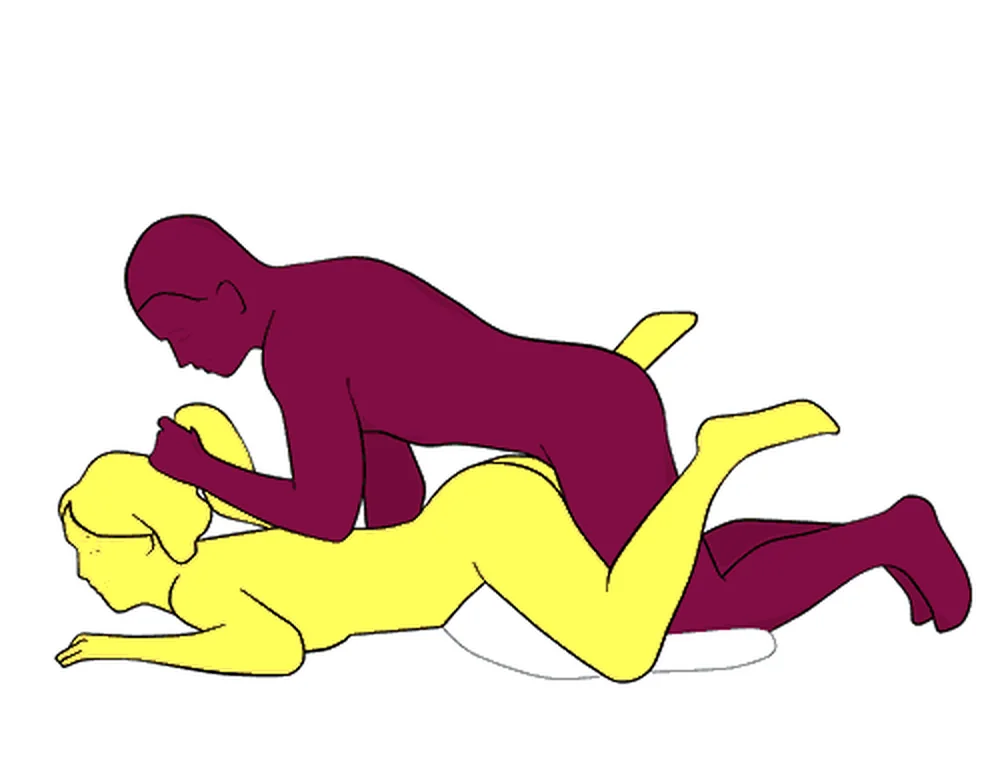
About This Position
A variation of doggy style where the receiving partner lowers their chest to the bed, extending their arms forward. This creates a tighter fit and changes the angle of penetration, stimulating different areas than standard doggy.
Best For
Clitoral Stimulation
Minimal clitoral stimulation from the flattened position.
Difficult to access the clitoris in this position.
G-Spot Stimulation
Excellent G-spot stimulation from the tight fit and steep angle.
The flattened position creates a tight, targeted sensation on the anterior wall.
Anatomy & Physiology
Muscle Groups Involved
- Glutes
- Lower back
- Hamstrings
- Core
- Arms
Angle of Penetration
Steep downward angle, deep penetration with tighter fit
Targeted Pleasure Zones
Body Contact Points
Step-by-Step Guide
The receiving partner starts on all fours, then lowers their chest flat to the bed surface, extending arms forward and resting their cheek on the mattress. The hips stay raised — this flattened upper body with elevated hips creates the steep downward angle that defines this position.
The receiving partner's hips should be higher than their shoulders. If the bed is too high for comfortable hip elevation, place a pillow under the chest to raise the upper body slightly while keeping the hips elevated.
The penetrating partner kneels behind the receiving partner, aligning their pelvis with the raised hips. The flattened position creates a tighter fit because the vaginal walls are compressed by the angle — entry will feel snugger than standard doggy.
Enter slowly at the steep downward angle — the angle targets the anterior vaginal wall and G-spot directly. The tighter fit means every millimeter of movement is felt more intensely, so small movements produce big sensations.
The penetrating partner grips the receiving partner's hips to control both depth and angle — pulling the hips slightly higher or lower changes where the stimulation lands. The hip grip also prevents the receiving partner from sliding forward on the bed.
Use slow, deliberate thrusts rather than fast ones — the tight fit and steep angle make this position highly sensitive. Fast thrusting in this position can be too intense. Let the tightness do the work.
The receiving partner can slide a hand between their body and the bed to reach the clitoris — the flattened position makes clitoral self-stimulation difficult but not impossible with the right angle.
Safety & Precautions
Warnings
- ! No eye contact — rely on verbal communication.
- ! Can be too intense for some due to the tighter fit.
Modifications
- * Use a pillow under the hips for better angle.
- * The penetrating partner can hold the receiving partner's hips.
Not recommended during pregnancy — the flattened position is uncomfortable.
Medical References & Sources
The information on this page has been reviewed for accuracy by certified health professionals. The following peer-reviewed and authoritative sources were used in developing this guide:
- • Mayo Clinic — Sexual Health
- • American College of Obstetricians and Gynecologists (ACOG) — Sexual Health
- • National Institute of Child Health and Human Development (NICHD)
- • Cleveland Clinic — Sexual Health
- • Healthline — Healthy Sex & Relationships
Health Disclaimer: Always consult a healthcare professional before trying new positions, especially if you have back pain, joint issues, are pregnant, or have any medical condition. Stop immediately if you experience pain.
Pros
- + Deeper penetration than standard doggy
- + Creates a tighter, more intense feeling
- + Less strain on the receiving partner's arms
Cons
- - No eye contact
- - Limited movement
- - Can be too intense for some
Tips
- * Use a pillow under the hips for better angle
- * The penetrating partner can hold the receiving partner's hips
Common Mistakes to Avoid
Even with the right technique, small errors can reduce pleasure or increase injury risk. Here are the most common mistakes couples make with the Low Doggy position:
Hips too low — flattening the angle
The key difference from standard doggy is the hip height relative to the shoulders. If the hips drop to the same level as the shoulders, you lose the steep angle and the tighter fit. The hips MUST stay elevated above shoulder level for this position to work.
Thrusting too hard in the tight space
The flattened position compresses the vaginal walls, creating a tighter sensation. What feels comfortable in standard doggy can be overwhelming in Low Doggy. The penetrating partner needs to reduce thrusting force and let the tightness amplify smaller movements.
Arms extended too far forward
If the receiving partner extends their arms too far, their shoulders drop too low and the lower back hyperextends, causing pain. The arms should extend forward just enough for comfort — the chest rests on the bed, not the chin.
No verbal communication due to face-down position
The receiving partner's face is on the bed, making visual cues impossible. Both partners must rely entirely on verbal check-ins. Saying "deeper," "slower," or "right there" replaces the eye contact and facial expressions that guide other positions.
Variations to Try
Once you've mastered the basic Low Doggy, these variations can add new sensations and keep things exciting:
Add a Pillow
Place a pillow under the receiving partner's hips to change the angle of penetration and enhance stimulation.
Incorporate Manual Stimulation
Use hands to add clitoral or other external stimulation during the position for enhanced pleasure.
Slow Down the Pace
Switch from thrusting to grinding for a more intimate, sensation-focused experience.
Try Different Surfaces
Move from the bed to a couch, standing, or against a wall for different angles and experiences.
Related Positions
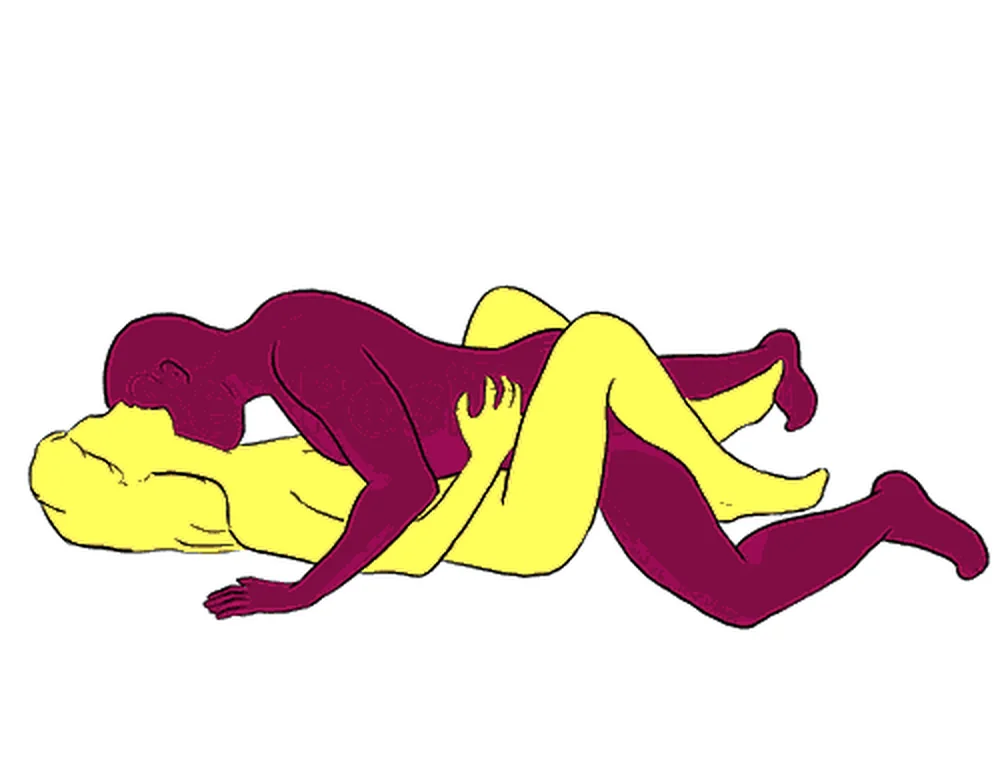 💫
💫 Missionary
Face-to-face intimacy with deep emotional connection.
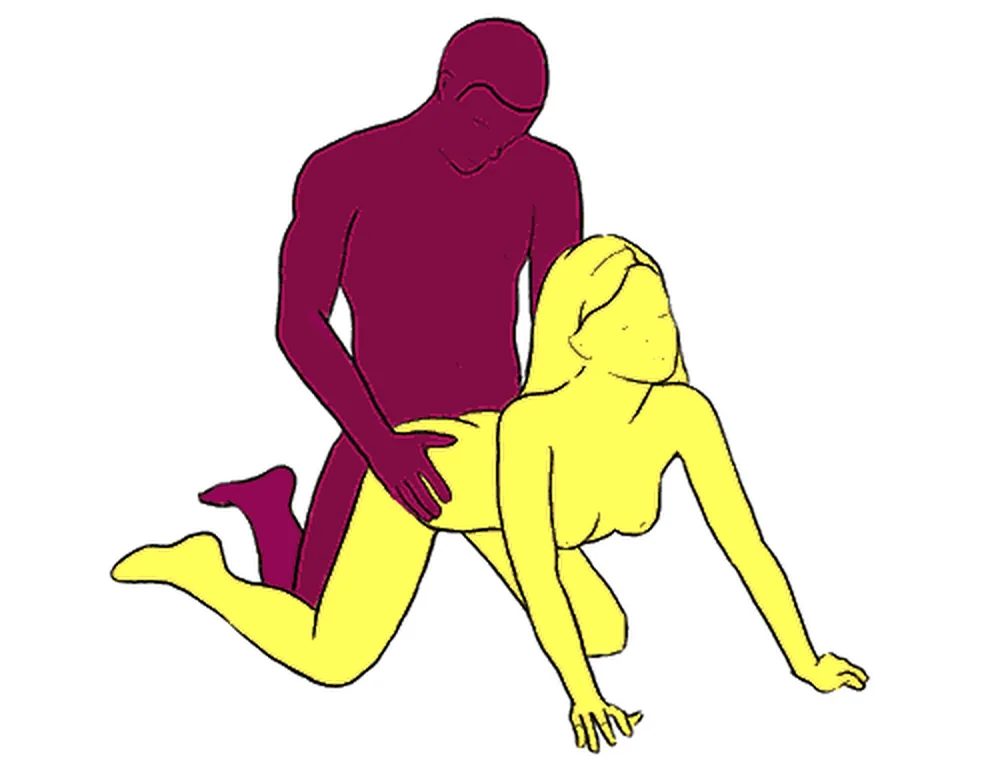 🐕
🐕 Doggy Style
A timeless classic with deep connection and intensity.
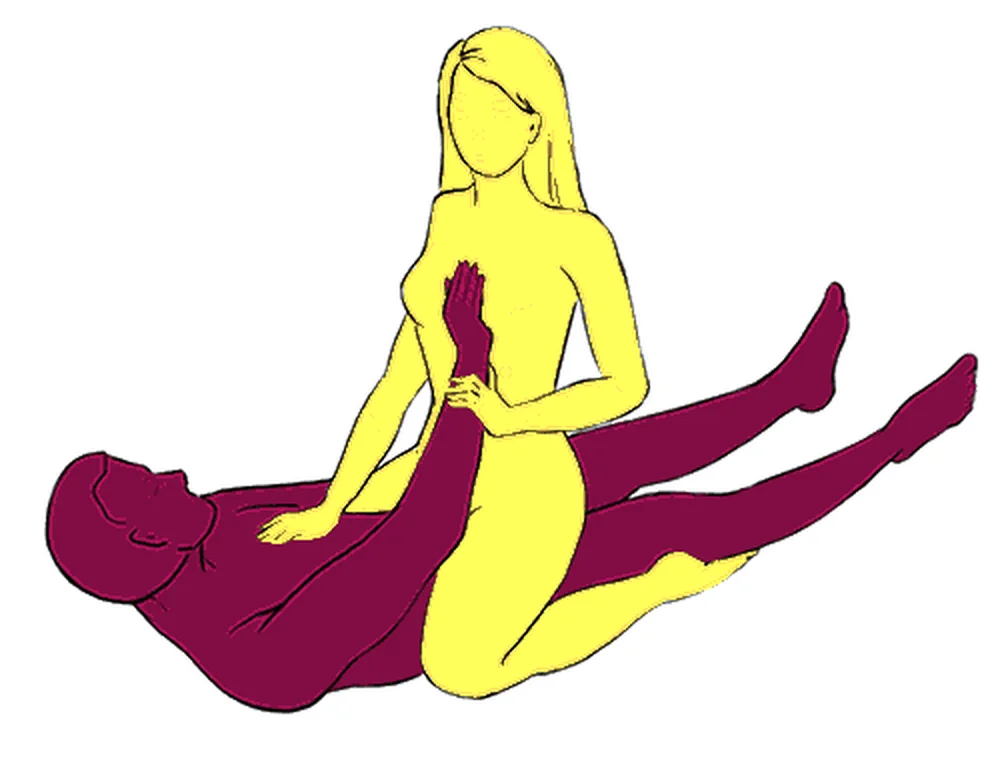 🤠
🤠 Cowgirl
Take control and set the pace with this empowering position.
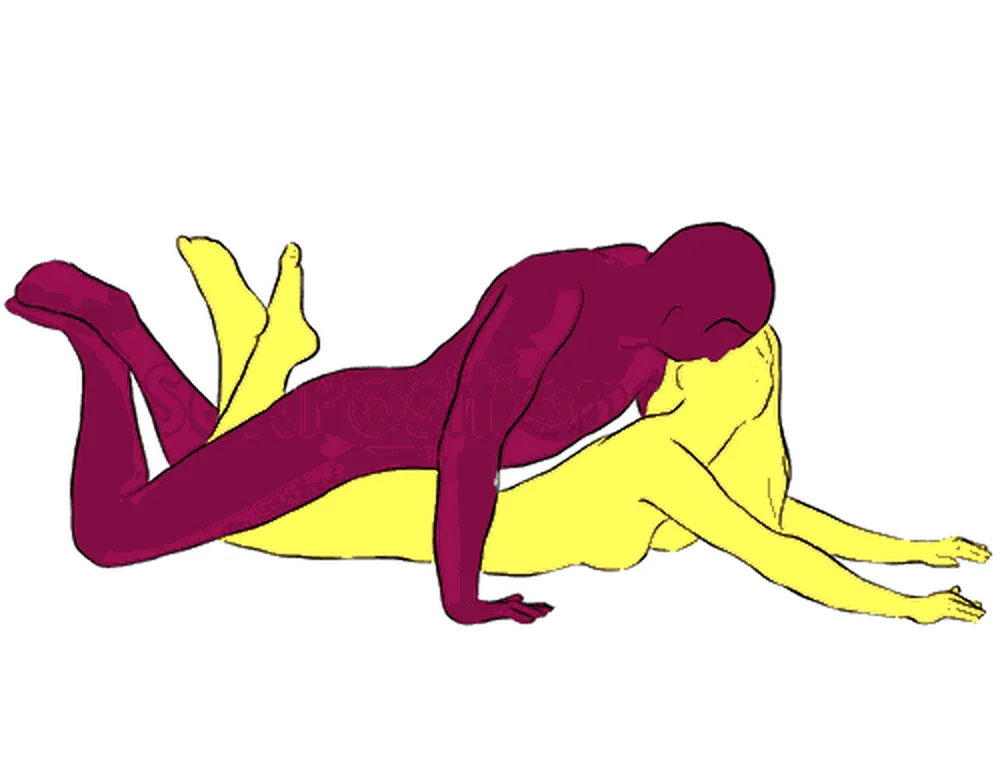 🛋️
🛋️ Prone Bone
A flat, face-down position for deep, grinding sensations.
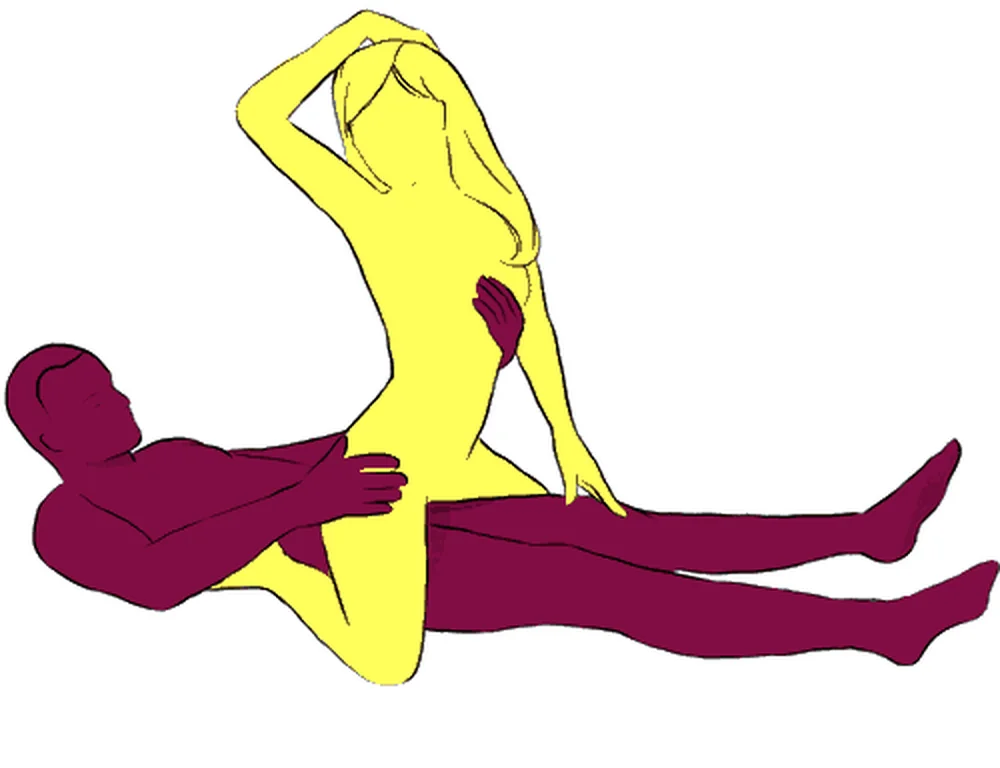 🔄
🔄 Reverse Cowgirl
A fresh angle that brings a new dimension of pleasure.
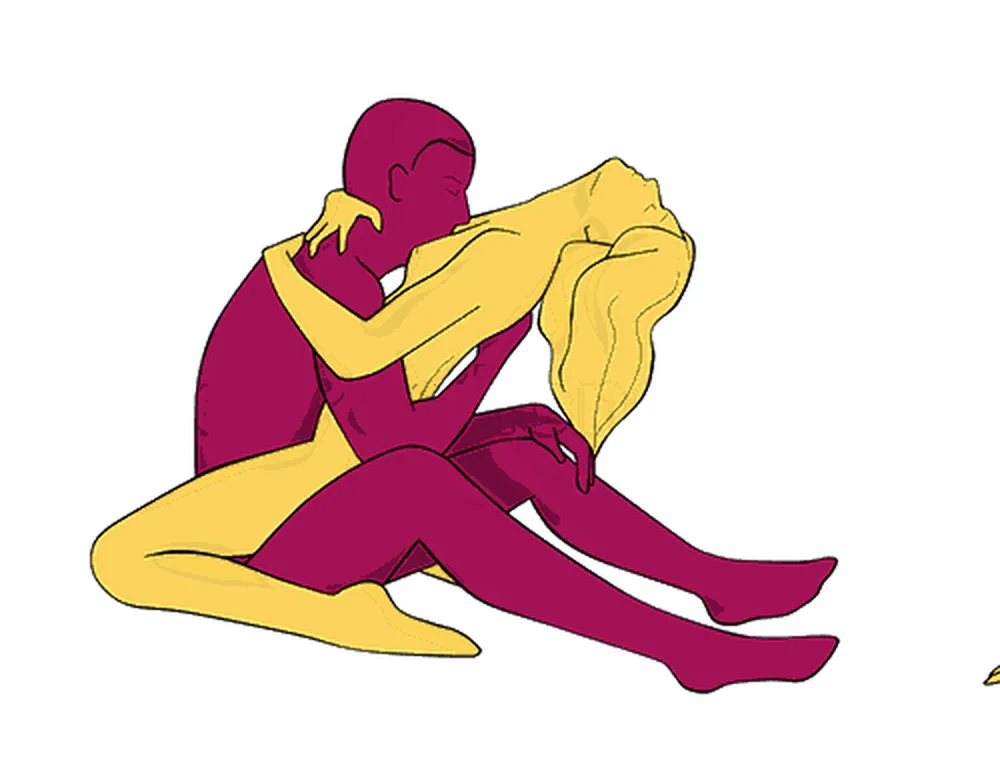 🪷
🪷 Lotus
A meditative, deeply connected seated embrace.
Written by Dr. Sarah Mitchell
Certified Sex Therapist, PhD in Human Sexuality
Reviewed by Dr. James Chen
Board-Certified OB/GYN, 15+ Years Experience
Last reviewed: July 2026 | Content medically verified | Meet our full team
Related Articles
Best Sex Positions for Deep Orgasm: Reach New Heights
Want deeper, more intense orgasms? Discover the best sex positions designed for deep penetration and powerful orgasms, with techniques for maximum sensation.
Position GuideDeep Penetration Positions: Positions for Maximum Depth and Fullness
Discover sex positions that allow for the deepest penetration. Learn which positions create maximum depth, angle, and fullness for intense internal pleasure.
Intimacy GuideDoggie Style Explained: Comfort, Angles & How to Make It More Intimate
Doggie style is a favorite for deep penetration. Learn proper form, angle adjustments for G-spot stimulation, and how to make it emotionally connected.
Comparison GuideDoggy Style vs Missionary: Complete Comparison
Doggy style and missionary are two of the most popular positions worldwide. Compare depth, pleasure, comfort, and intimacy to find your favorite.
Position GuideBest Sex Positions for a Big Penis: Comfortable and Pleasurable Options
Discover sex positions designed for comfort and pleasure when the penetrating partner has a larger penis. Reduce discomfort and maximize satisfaction for both partners.
User Reviews
Rate this position
No reviews yet. Be the first to rate this position!