Shell
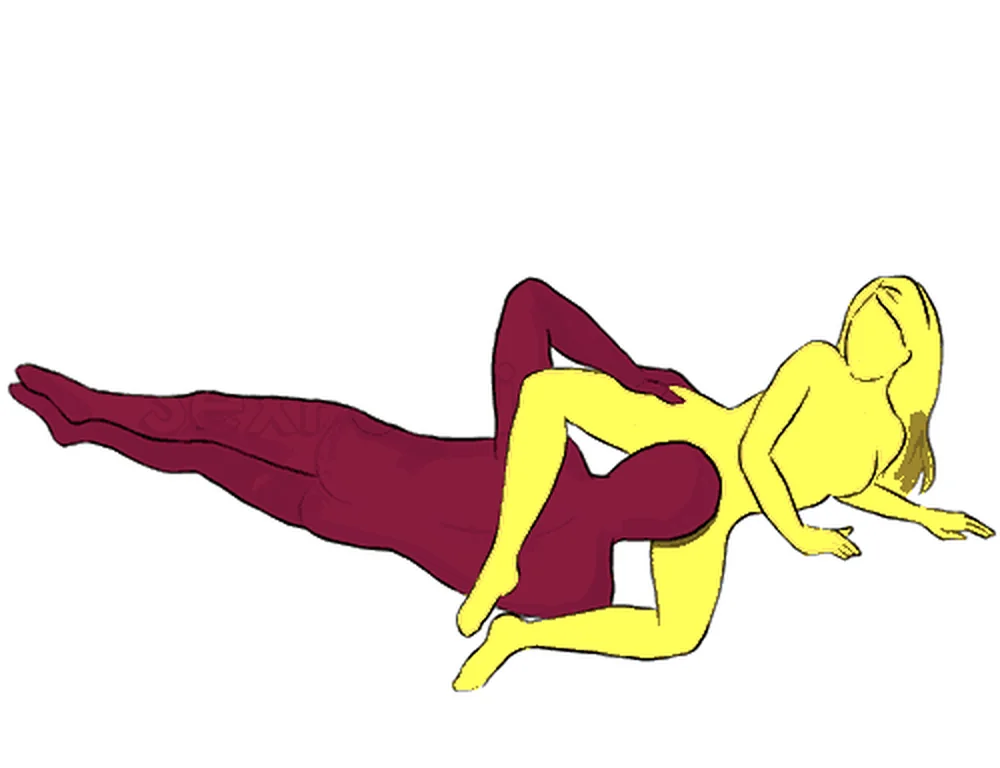
A curled, shell-like position for gentle intimacy.
About This Position
The receiving partner curls up like a shell while the penetrating partner enters from behind. This gentle position emphasizes protection, comfort, and tender intimacy.
Best For
Step-by-Step Guide
The receiving partner curls up like a shell — knees drawn to chest, body curled into a ball. The curled position creates a protective, gentle configuration.
Tip: The curled position follows the natural curves of the body — very comfortable and low-effort.
The penetrating partner enters from behind while the receiving partner remains curled. The shallow penetration is gentle and non-intimidating.
Tip: The G-spot is rated 3/5 — the curled angle creates moderate internal stimulation at shallow depth.
Use gentle, rocking movements rather than thrusting. The shell position is about tenderness and protection.
Tip: The core and hip flexors maintain the curled position with minimal effort.
Curl up tightly for the full shell effect. The tighter the curl, the more intimate and protected the feeling.
Tip: This is an Easy difficulty position — the gentle nature makes it very accessible.
The penetrating partner can wrap around the receiving partner's curled body, creating a shell-within-shell effect.
Tip: The chest-to-back contact point creates warmth and protection.
Whisper and maintain closeness. The shell position is about gentle intimacy and emotional safety.
Tip: The shallow penetration depth is ideal for gentle, sustained pleasure.
The shell position is about protection and comfort. Perfect for when you want intimacy without intensity.
Tip: Use hands to caress the receiving partner's curled body — the protective nature is enhanced by touch.
Medical References & Sources
The information on this page has been reviewed for accuracy by certified health professionals. The following peer-reviewed and authoritative sources were used in developing this guide:
- • Mayo Clinic — Sexual Health
- • American College of Obstetricians and Gynecologists (ACOG) — Sexual Health
- • National Institute of Child Health and Human Development (NICHD)
- • Cleveland Clinic — Sexual Health
- • Healthline — Healthy Sex & Relationships
Health Disclaimer: Always consult a healthcare professional before trying new positions, especially if you have back pain, joint issues, are pregnant, or have any medical condition. Stop immediately if you experience pain.
Pros
- + Very gentle and comfortable
- + Creates a feeling of protection
- + Easy to maintain
Cons
- - Very shallow penetration
- - Limited movement
Tips
- * Curl up tightly for the full shell effect
- * Use gentle, rocking movements
Common Mistakes to Avoid
Even with the right technique, small errors can reduce pleasure or increase injury risk. Here are the most common mistakes couples make with the Shell position:
Trying to thrust deeply
The shell position is designed for shallow, gentle penetration. Trying to force deeper penetration disrupts the protective, curled configuration.
Not curling tightly enough
The shell effect comes from the tight curl. If the receiving partner doesn't curl tightly, the protective feeling is reduced and the angle changes.
Being too vigorous
The shell position is about tenderness. Vigorous movement disrupts the gentle, protective nature that makes this position special.
Ignoring the emotional component
The shell position creates a feeling of being protected and sheltered. Not acknowledging this emotional aspect reduces the intimacy.
Variations to Try
Once you've mastered the basic Shell, these variations can add new sensations and keep things exciting:
Add a Pillow
Place a pillow under the receiving partner's hips to change the angle of penetration and enhance stimulation.
Incorporate Manual Stimulation
Use hands to add clitoral or other external stimulation during the position for enhanced pleasure.
Slow Down the Pace
Switch from thrusting to grinding for a more intimate, sensation-focused experience.
Try Different Surfaces
Move from the bed to a couch, standing, or against a wall for different angles and experiences.
Related Positions
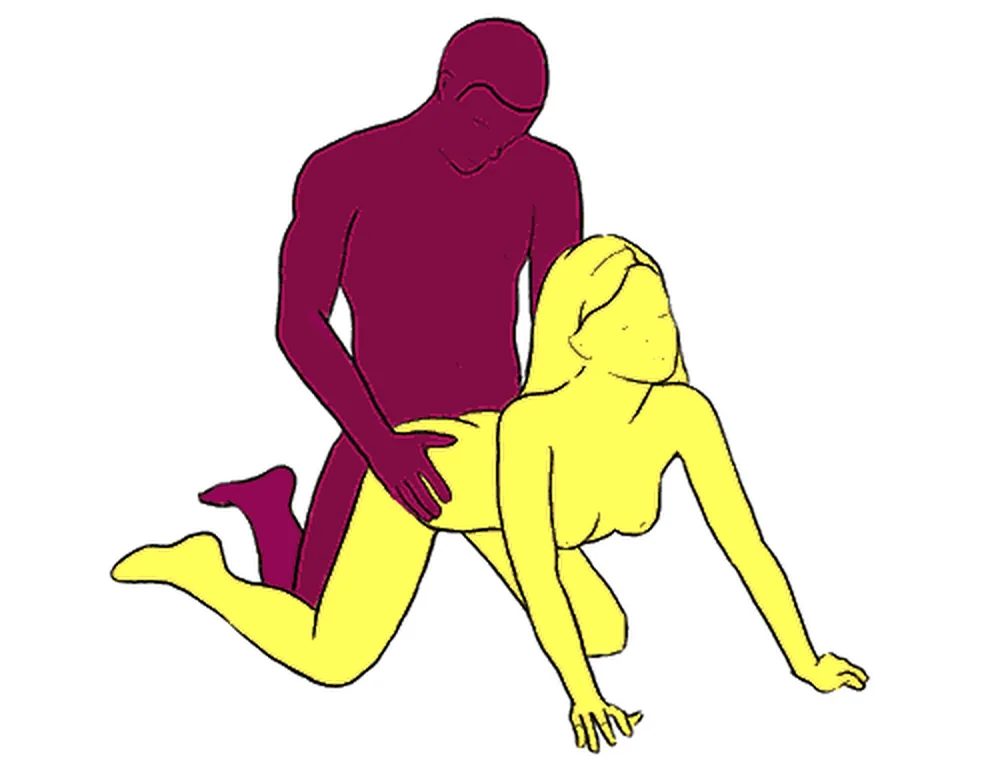 🐕
🐕 Doggy Style
A timeless classic with deep connection and intensity.
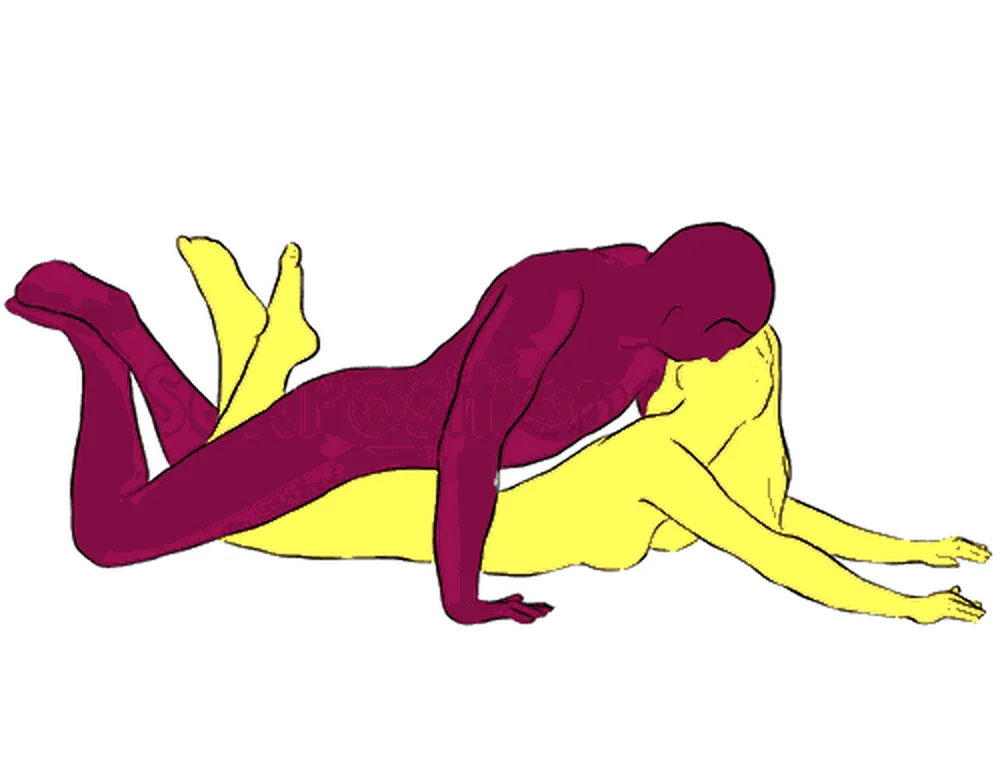 🛋️
🛋️ Prone Bone
A flat, face-down position for deep, grinding sensations.
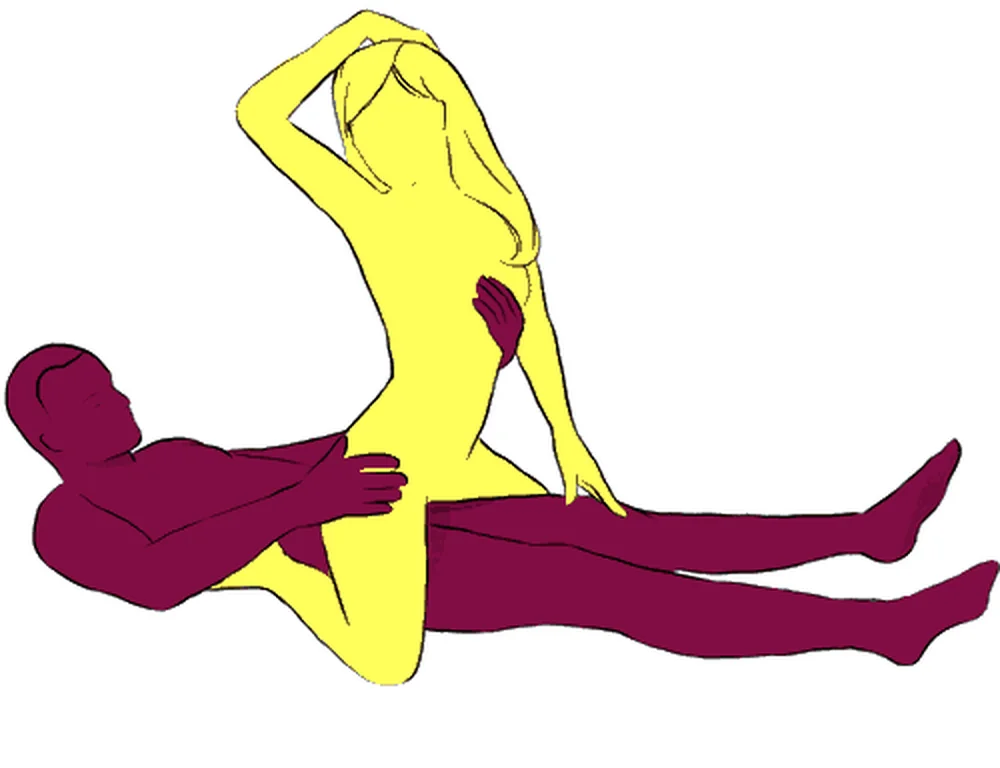 🔄
🔄 Reverse Cowgirl
A fresh angle that brings a new dimension of pleasure.
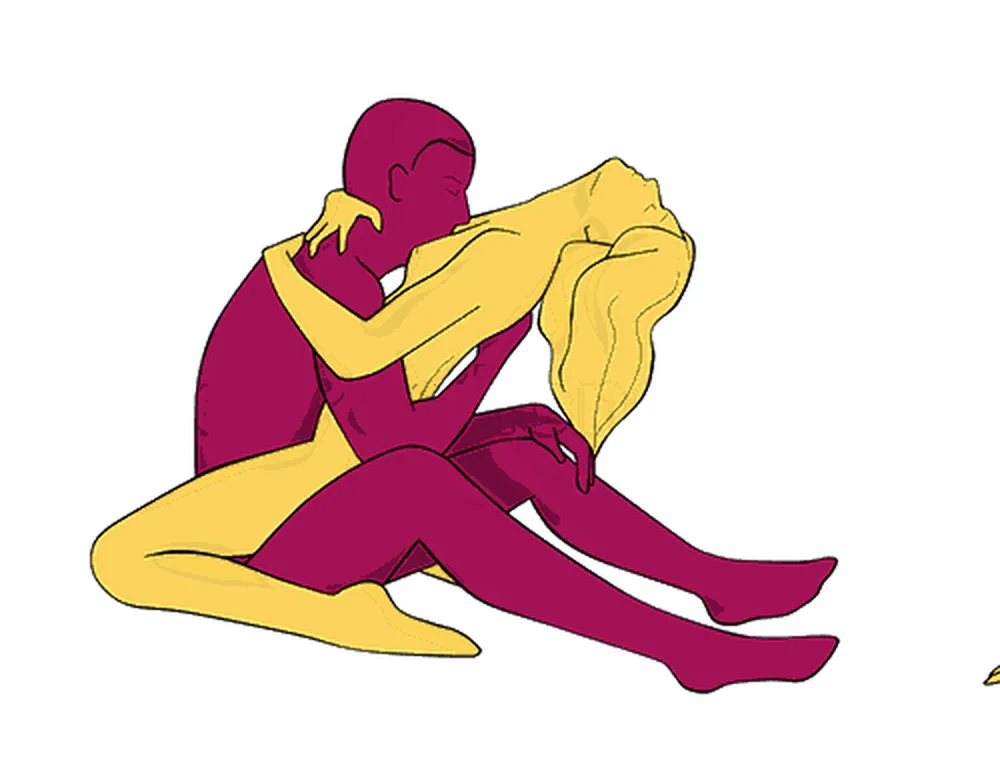 🪷
🪷 Lotus
A meditative, deeply connected seated embrace.
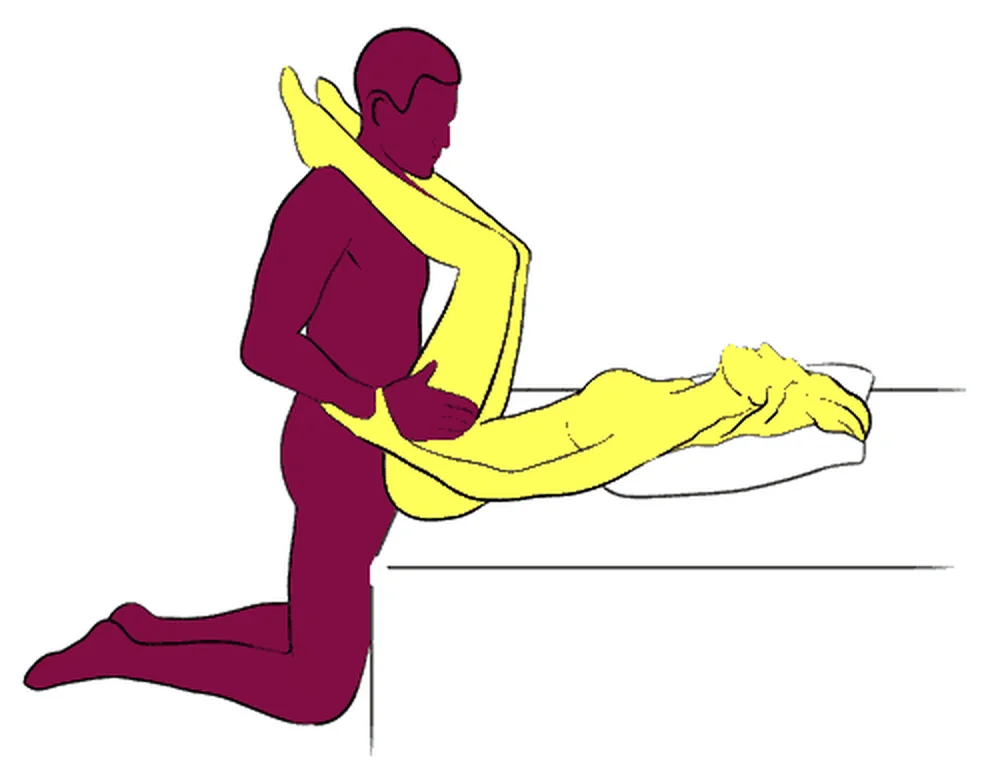 🦋
🦋 Butterfly
Lift the legs for deep penetration and eye contact.
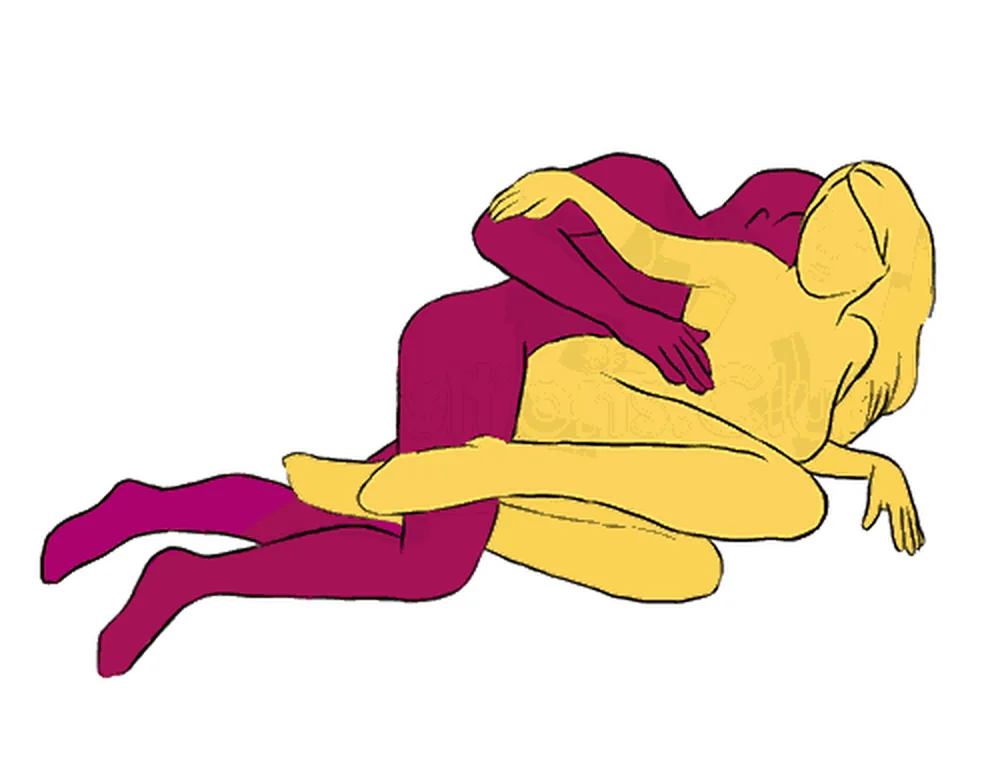 🥄
🥄 Spooning
Cuddle close with this gentle, sensual side position.
Written by Dr. Sarah Mitchell
Certified Sex Therapist, PhD in Human Sexuality
Reviewed by Dr. James Chen
Board-Certified OB/GYN, 15+ Years Experience
Last reviewed: July 2026 | Content medically verified | Meet our full team
User Reviews
Rate this position
No reviews yet. Be the first to rate this position!