Clitoral vs Vaginal Orgasm: Understanding the Differences
Learn the differences between clitoral and vaginal orgasms. Understand the anatomy, sensations, and techniques for achieving each type of orgasm.
Understanding the differences between clitoral and vaginal orgasms can help you and your partner enhance pleasure and achieve more satisfying orgasms. Let’s explore the anatomy, sensations, and techniques for each type.
“Clitoral and vaginal orgasms activate different neural pathways and involve different muscle contractions. Clitoral orgasms are more localized and intense, while vaginal orgasms involve deeper pelvic floor contractions and can radiate throughout the body. Both are valid and pleasurable — the key is understanding what works for your body.” — Dr. James Chen, Board-Certified OB/GYN
Research from The Journal of Sexual Medicine (2020) found that 36% of women experience only clitoral orgasms, 36% experience both types, 18% experience only vaginal orgasms, and 10% experience blended orgasms combining both sensations.
Anatomy of Female Orgasm
The Clitoris
The clitoris is:
- Located at the top of the vulva, where the labia meet
- Contains about 8,000 nerve endings
- Has internal structures that extend about 9cm
- The primary organ for female pleasure
Why it matters: The clitoris is designed for pleasure. Most women need clitoral stimulation to orgasm during sex.
The Full Clitoral Structure:
The clitoris is much larger than most people realize. While the visible part (the glans) is about the size of a pea, the full clitoral structure extends internally:
- The glans: The visible, external part
- The body: Extends upward under the pubic bone
- The crura: Two legs that extend down either side of the vaginal canal
- The vestibular bulbs: Erectile tissue that surrounds the vaginal opening
This internal structure means that even “vaginal” orgasms may actually be stimulating the internal clitoral network.
The G-Spot
The G-spot (Grafenberg spot) is:
- Located on the front wall of the vagina, about 2-3 inches inside
- An area of sensitive tissue
- Part of the internal clitoral network
- Can produce intense pleasure when stimulated
Note: The G-spot is actually part of the internal clitoris, not a separate structure. It’s the area where the internal clitoral nerves are most accessible through the vaginal wall.
Clitoral Orgasm: The Basics
What It Feels Like
- Intense, localized pleasure
- Quick build-up to orgasm
- Sharp, pulsing sensations
- Often shorter in duration
- Concentrated in the genital area
Personal Descriptions:
Women describe clitoral orgasms as:
- “A sudden, intense wave of pleasure”
- “A focused, building tension that releases in waves”
- “A sharp, pulsing sensation”
- “A quick, intense peak”
How to Achieve It
- Direct or indirect stimulation of the clitoris
- Manual stimulation with fingers
- Oral sex with focused attention on the clitoris
- Sex toys (vibrators work well)
- Positions that provide clitoral contact during intercourse
Techniques:
- Circles: Gentle circular motions around the clitoris
- Up and down: Vertical strokes along the clitoral shaft
- Side to side: Horizontal movements across the clitoris
- Pressure: Different levels of firmness
- Vibration: Using toys or fingers to create consistent vibration
Best Positions for Clitoral Orgasm
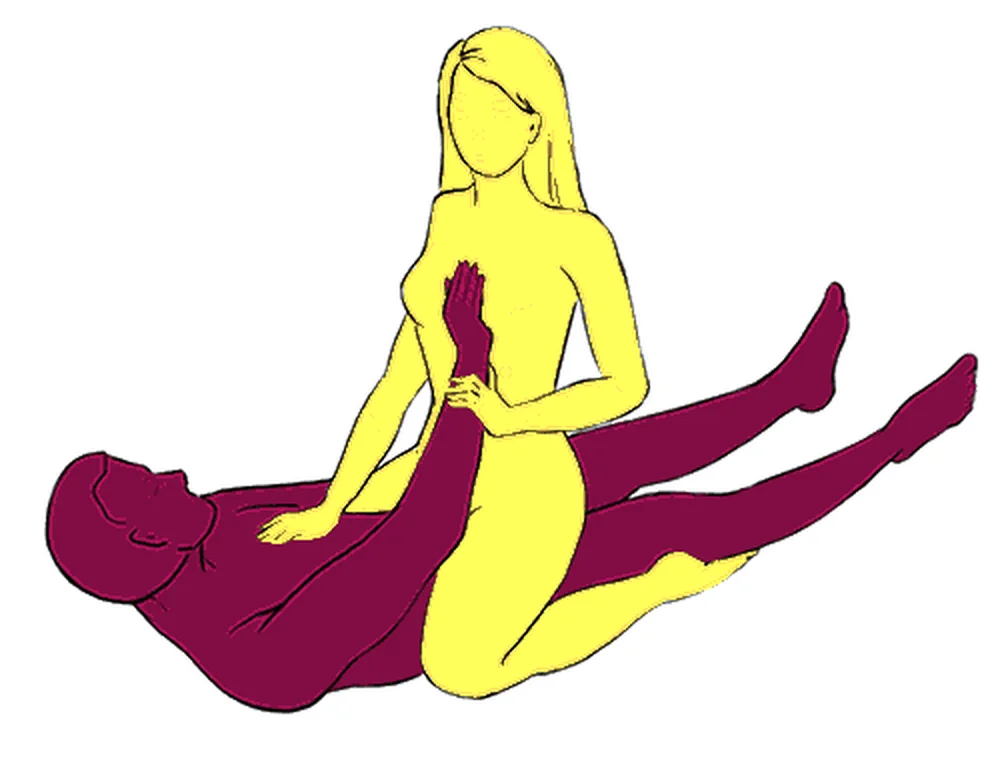
- Cowgirl — Receiving partner controls angle and pace
- Modified missionary — Allows for manual stimulation
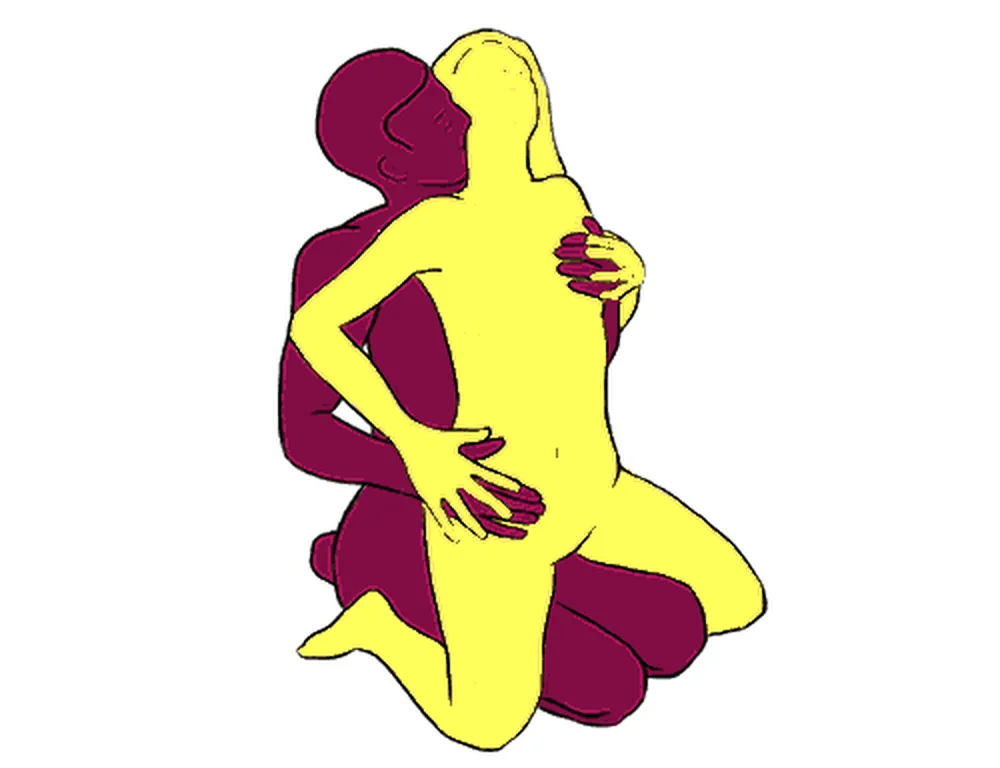
- Spooning — Can stimulate clitoris from behind
- 69 — Mutual oral stimulation
Vaginal Orgasm: The Basics
What It Feels Like
- Deep, full-body pleasure
- Slower build-up
- Rhythmic, pulsing sensations
- Often longer in duration
- Felt throughout the body
Personal Descriptions:
Women describe vaginal orgasms as:
- “A deep, spreading warmth”
- “A full-body wave of pleasure”
- “A slow-building intensity that radiates outward”
- “A deep, rhythmic pulsing”
How to Achieve It
- G-spot stimulation (front wall of vagina)
- Internal clitoral stimulation
- Positions that angle toward the G-spot
- Combination of clitoral and vaginal stimulation
Techniques:
- “Come here” motion: Curling fingers toward the front wall
- Firm, consistent pressure: Sustained stimulation of the G-spot area
- Combination stimulation: Adding clitoral stimulation while targeting the G-spot
- Angled penetration: Using positions that hit the G-spot
Best Positions for Vaginal Orgasm
- Cowgirl — Good angle for G-spot stimulation
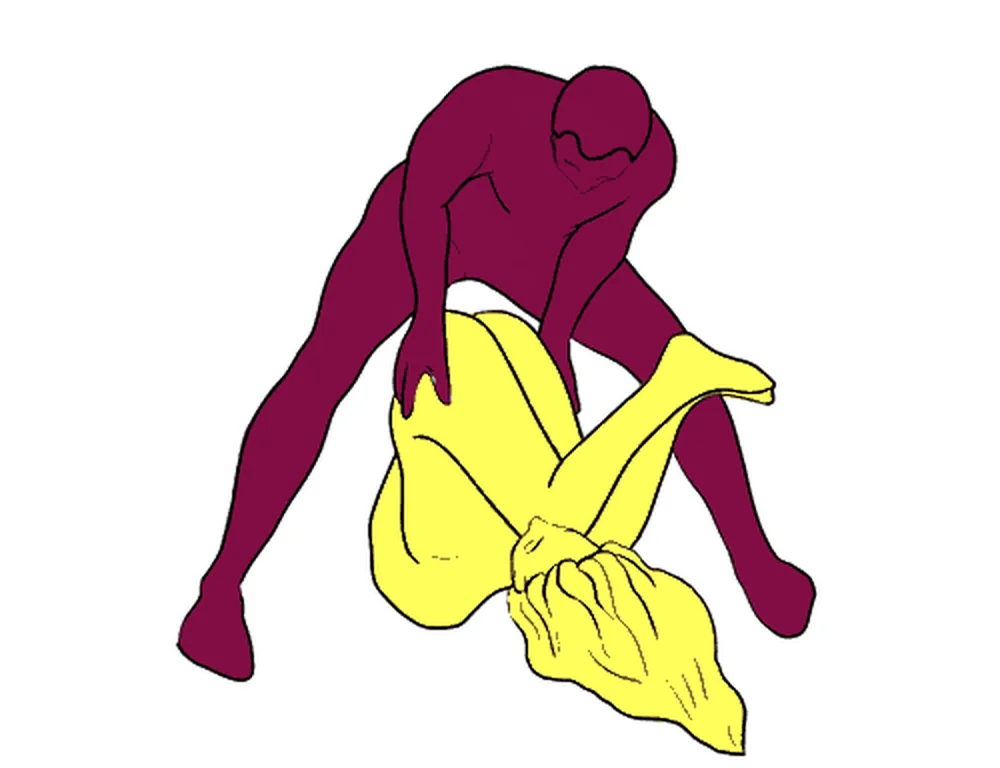
- Doggy style — Deep penetration angle
- Modified missionary — Angled penetration
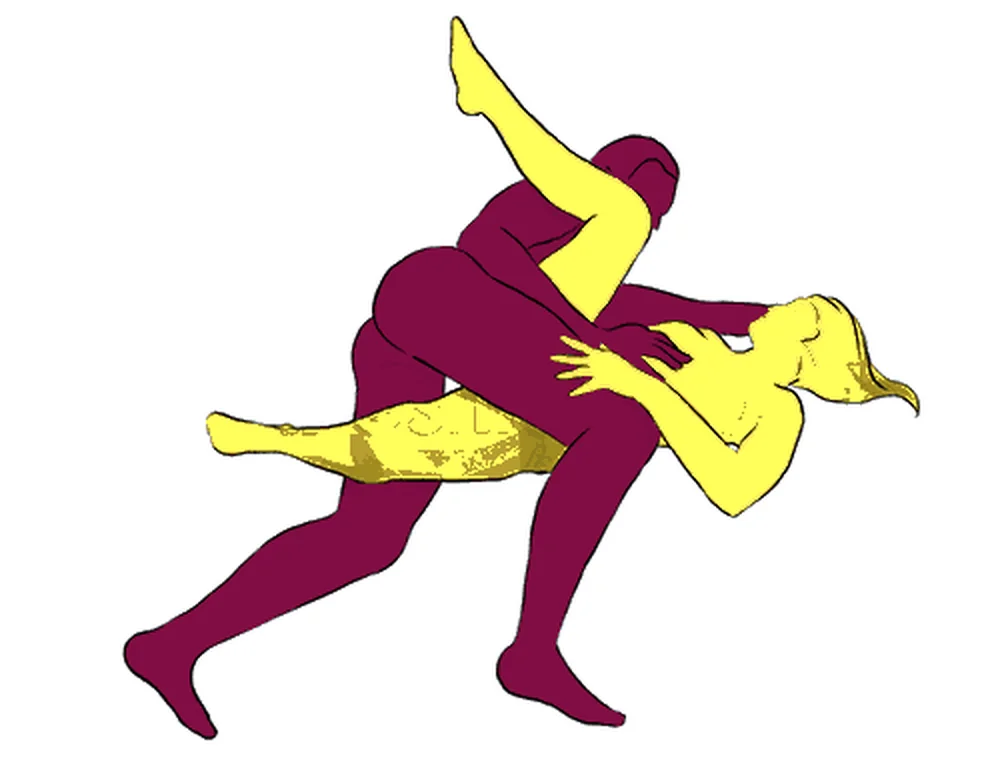
- Edge of bed — Good angle for internal stimulation
The Key Differences
Sensation
- Clitoral: Intense, localized, sharp
- Vaginal: Deep, full-body, rhythmic
Duration
- Clitoral: Often shorter (5-10 seconds)
- Vaginal: Often longer (15-30 seconds or more)
Build-up
- Clitoral: Quick build-up
- Vaginal: Slower, more gradual build-up
Intensity
- Clitoral: Intense but focused
- Vaginal: Deep and encompassing
Muscle Contractions
- Clitoral: 5-10 contractions of the pelvic floor muscles
- Vaginal: 10-15 or more contractions, often felt deeper
Can Women Experience Both?
Yes! Many women experience:
- Clitoral orgasms during foreplay or with manual stimulation
- Vaginal orgasms during intercourse
- Blended orgasms from simultaneous stimulation of both areas
Important: There’s no “better” type of orgasm. Both are pleasurable and valid.
Blended Orgasms:
Blended orgasms combine both clitoral and vaginal stimulation, often resulting in the most intense orgasms. This can be achieved through:
- Manual clitoral stimulation during penetration
- Using a vibrator on the clitoris during intercourse
- Positions that provide both clitoral and G-spot stimulation
- Partner stimulation of both areas simultaneously
Why the Distinction Matters
For Pleasure
- Understanding what works for you helps you communicate with your partner
- Different orgasms provide different sensations
- Combining techniques can enhance pleasure
For Intimacy
- Knowing your body helps you guide your partner
- Communication about pleasure strengthens relationships
- Understanding anatomy reduces performance pressure
Common Myths
Myth 1: “Vaginal orgasms are more mature”
Truth: All orgasms are valid. There’s no hierarchy of pleasure.
Myth 2: “Women should orgasm from penetration alone”
Truth: About 70% of women need clitoral stimulation to orgasm during sex.
Myth 3: “The G-spot is a magic button”
Truth: The G-spot is sensitive tissue, but it’s not a “magic button” that guarantees orgasm.
Myth 4: “If you can’t orgasm from penetration, something is wrong”
Truth: The majority of women need clitoral stimulation to reach orgasm. This is normal anatomy, not a dysfunction.
Myth 5: “One type of orgasm is better than the other”
Truth: All orgasms are valid and pleasurable. Different women prefer different sensations, and that’s perfectly normal.
Techniques for Enhancing Both Types
For Clitoral Orgasm
- Use lubricant — Reduces friction, increases pleasure
- Try different pressures — Light, medium, or firm
- Experiment with speeds — Fast or slow stimulation
- Use sex toys — Vibrators can enhance stimulation
- Try different positions — Find what angle works best
- Combine with other stimulation — Add vaginal or breast stimulation
For Vaginal Orgasm
- Target the G-spot — Use fingers or angled penetration
- Combine with clitoral stimulation — Blended orgasms are powerful
- Try different angles — Find what works for your body
- Build arousal slowly — Extended foreplay helps
- Use pillows for positioning — Adjust the angle of penetration
- Communicate with your partner — Guide them to the right spot
Communication with Your Partner
What to Say
- “That feels good” — Reinforce positive techniques
- “Try more to the left/right” — Guide their hand
- “Slower/faster” — Adjust pace
- “More/less pressure” — Fine-tune stimulation
How to Say It
- Be positive and encouraging
- Guide their hand to show what works
- Express needs without criticism
- Listen to their feedback too
Practical Communication Tips:
- Use “I” statements: “I feel good when you…” instead of “You should…”
- Guide physically: Place your hand over theirs to show the right pressure
- Be specific: “A little to the left” is more helpful than “not that”
- Express pleasure: Positive reinforcement helps your partner learn
- Be patient: Learning each other’s bodies takes time
When to Seek Help
Consult a healthcare provider or sex therapist if you:
- Consistently cannot achieve orgasm
- Experience pain during orgasm
- Have concerns about sexual function
- Need help with relationship issues
Frequently Asked Questions
What is the difference between clitoral and vaginal orgasms?
Clitoral orgasms are intense, localized sensations concentrated in the genital area with a quick build-up. Vaginal orgasms involve deeper, full-body pleasure with slower build-up and longer duration. Both are valid and pleasurable — the key is understanding what works for your body.
Can women experience both types of orgasms?
Yes! Many women experience clitoral orgasms during foreplay, vaginal orgasms during intercourse, and blended orgasms from simultaneous stimulation of both areas. About 36% of women experience both types regularly.
Which type of orgasm is more common?
Clitoral orgasms are more common, as approximately 70-80% of women need direct or indirect clitoral stimulation to reach orgasm. Only about 18% of women orgasm from penetration alone without clitoral contact.
How do I find my G-spot?
The G-spot is located on the front wall of the vagina, about 2-3 inches inside. Use a “come here” motion with your fingers on the anterior wall. It feels slightly ridged or spongy compared to surrounding tissue.
Can the G-spot cause ejaculation?
Yes, stimulation of the G-spot and anterior vaginal wall can lead to female ejaculation (squirting) in some women. This is a normal physiological response and occurs in approximately 10-40% of women to varying degrees.
Is it normal to only orgasm from clitoral stimulation?
Absolutely normal. The majority of women (70-80%) primarily orgasm through clitoral stimulation. There’s no hierarchy of pleasure — all orgasms are valid. Focus on what feels good for your body without comparing to others.
Related Reading
- Clitoral Stimulation Guide — Master external pleasure
- G-Spot Orgasm Guide — Find and stimulate the G-spot
- Best Positions for Her Orgasm — Positions designed for female pleasure
- Oral Sex Techniques — Master oral stimulation
- How to Please Partner — Pleasure techniques for couples
- Building Sexual Confidence — Explore with confidence
- Female Orgasm Guide — Comprehensive guide to female pleasure
Written by
CoupleSexPosition
Expert Verified
Reviewed by certified health professionals for accuracy and safety.
Meet Our Experts