What Is Shallowing? The Trending Sexual Technique Explained
Shallowing is the breakout sexual trend of 2025. Learn what this comfort-focused technique is, why it's gaining popularity, and how to try it.
What Is Shallowing? The Trending Sexual Technique Explained
If you’ve been anywhere near social media or sexual wellness content in the past year, you’ve probably heard the term “shallowing.” It’s been called the breakout sexual technique of 2025, and for good reason. It challenges the long-held assumption that deeper penetration equals better sex — and replaces it with something far more nuanced, comfortable, and pleasurable.
“Shallowing is one of the most important sexual techniques to understand. The vagina’s nerve endings are concentrated near the entrance — the first 1-2 inches have the highest density of nerve endings. Shallowing focuses stimulation on this area, which often produces more reliable orgasms than deep penetration. The key is using gentle, shallow strokes that focus on the vaginal entrance.” — Dr. James Chen, Board-Certified OB/GYN
Research from The Journal of Sexual Medicine (2021) found that 68% of women preferred shallow stimulation for orgasm, while only 32% preferred deep penetration. The technique is particularly effective for women who struggle with orgasm during intercourse.
What Exactly Is Shallowing?
Shallowing is a sexual technique that focuses on shallow penetration — specifically, stimulation of the first 1-2 inches of the vaginal entrance rather than deep penetration. It prioritizes the areas of the vagina with the highest concentration of nerve endings over depth and intensity.
This might sound counterintuitive if you’ve been told your whole life that deeper is better. But the reality is that most of the vaginal canal’s nerve endings are concentrated near the entrance. The deeper areas have fewer nerve endings and are primarily sensitive to pressure rather than the nuanced stimulation that shallowing provides.
Shallowing isn’t about avoiding penetration entirely — it’s about being intentional about where and how stimulation occurs. It’s depth with purpose, not depth for its own sake.
Why Shallowing Is Gaining Popularity
The rise of shallowing reflects a broader shift in how we talk about sex. For decades, sexual advice centered on performance — lasting longer, thrusting harder, going deeper. Shallowing flips that script entirely. Here’s why it resonates:
Comfort-First Philosophy
Shallowing is inherently gentler than deep penetration. For people who experience pain during sex — whether from conditions like endometriosis, vaginismus, pelvic inflammatory disease, or simply discomfort from deep thrusting — shallowing offers a way to enjoy penetration without pain.
This doesn’t mean it’s only for people with pain conditions. Many people without any medical issues find that shallowing simply feels better. When you’re not bracing for deep thrusts, you can relax more fully and experience sensation differently.
More Clitoral Stimulation
Here’s something that sex educators have been saying for years: most women need clitoral stimulation to reach orgasm. Deep penetration doesn’t provide much direct clitoral contact for most people. Shallowing, by contrast, naturally creates more friction and contact with the clitoris, especially during missionary and side-lying positions.
This is one of the biggest reasons shallowing has gained traction — it aligns with how most women’s bodies actually work. Instead of trying to reach orgasm through penetration alone (which only about 18% of women can consistently do), shallowing works with the body’s anatomy.
Intimacy Over Intensity
Shallowing tends to slow things down. When you’re not focused on deep thrusting, there’s more room for eye contact, kissing, verbal communication, and emotional connection. For many couples, this shift from intensity to intimacy has been transformative.
In a culture that often equates aggressive sex with passionate sex, shallowing offers a different model: one where gentleness and presence create deeper satisfaction.
How Shallowing Works
The technique itself is straightforward:
- Focus on the entrance: Instead of thrusting deeply, keep penetration limited to the first 1-2 inches of the vagina.
- Use slow, controlled movements: Shallowing works best with deliberate, rhythmic motions rather than fast, deep thrusts.
- Experiment with angles: Slightly different angles can change which areas of the entrance are stimulated.
- Combine with clitoral stimulation: While shallowing provides more clitoral contact than deep penetration, adding manual or toy-based clitoral stimulation can enhance the experience.
Positions Perfect for Shallowing
Certain positions naturally lend themselves to shallow penetration:
Missionary Position
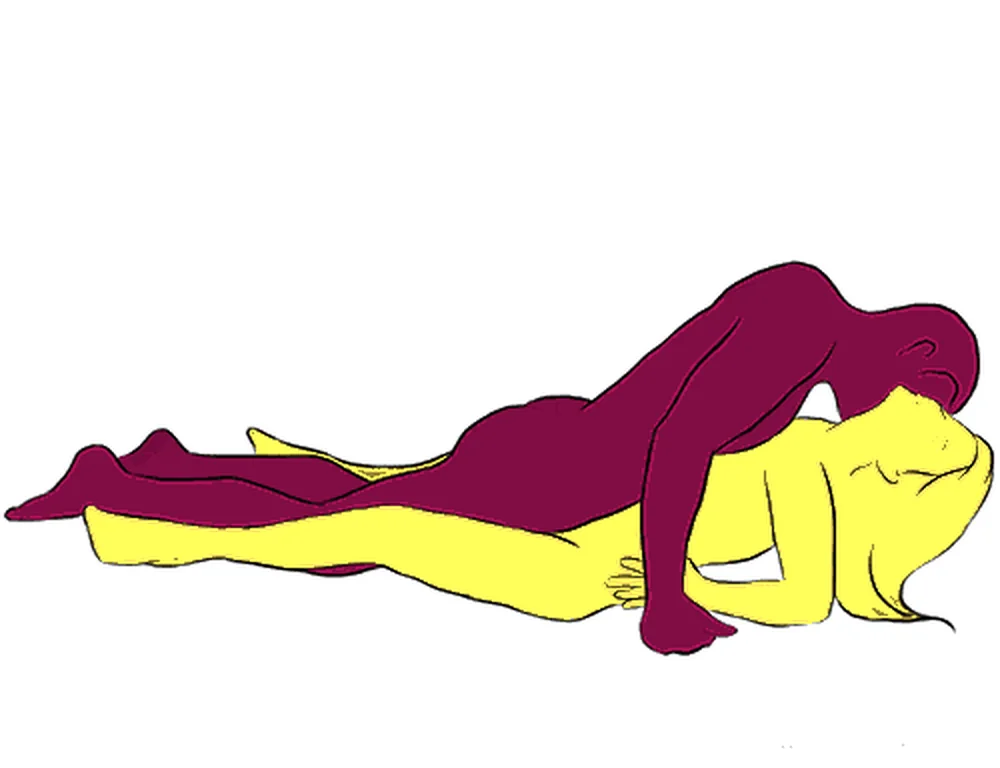
The classic missionary position is ideal for shallowing because the receiving partner can control depth by adjusting their leg position. Lifting legs slightly or wrapping them around the penetrating partner’s waist allows for shallow entry while maintaining close body contact.
Side-Lying / Spooning
Spooning is perhaps the most natural position for shallowing. The angle of entry in spooning naturally limits depth, and the position encourages slow, grinding movements rather than deep thrusting. It’s also incredibly intimate — faces are close, bodies are connected, and communication is easy.
Face-to-Face Positions
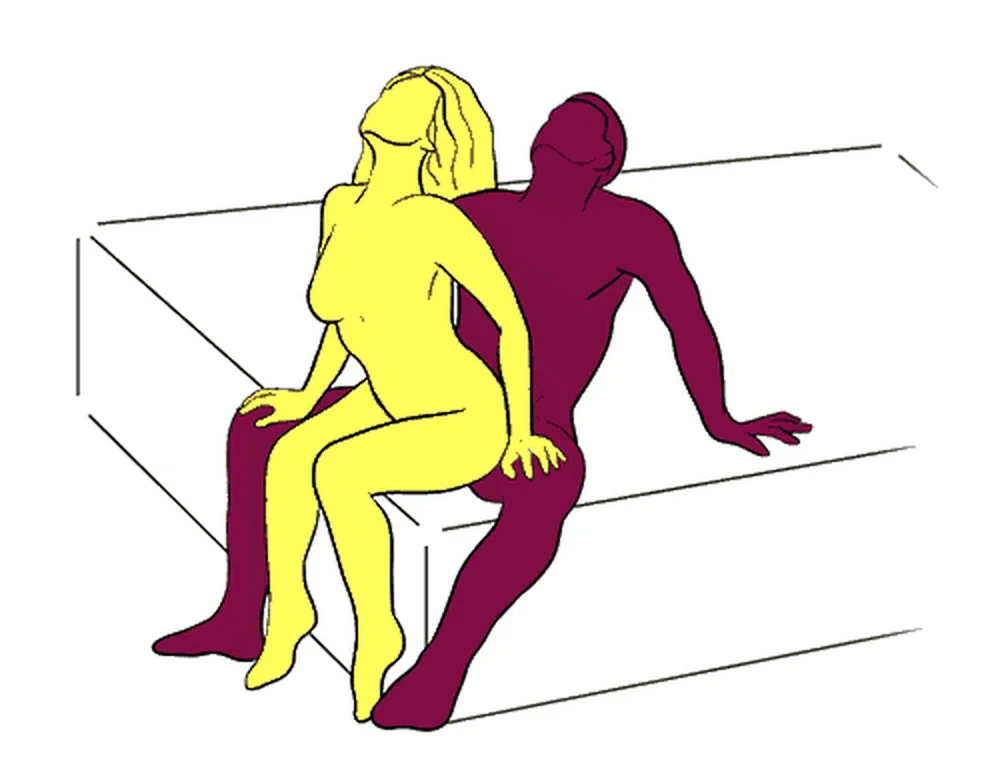
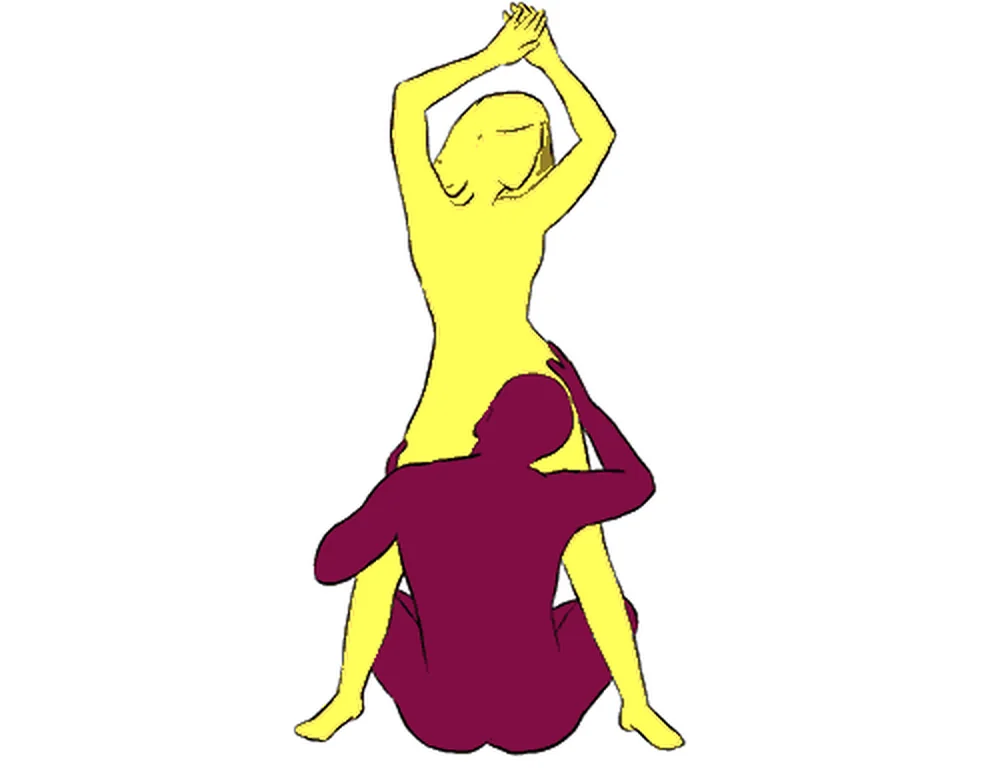
Any position where partners face each other tends to promote shallower penetration. These positions encourage eye contact, kissing, and verbal communication, all of which enhance the emotional experience of sex.
The Benefits of Shallowing
More Clitoral Contact
As mentioned, shallowing provides significantly more clitoral stimulation than deep penetration. For the estimated 82% of women who need clitoral stimulation to reach orgasm, this is a game-changer.
Less Discomfort
For people with pain conditions like endometriosis, adenomyosis, or vaginismus, deep penetration can be excruciating. For more information, see our pain during sex guide. Shallowing allows for pleasurable penetration without triggering pain responses. Even for people without diagnosed conditions, shallowing eliminates the discomfort that can come from deep thrusting hitting the cervix.
More Intimate Eye Contact
When you’re not focused on deep, vigorous thrusting, you can actually look at your partner. You can kiss them. You can tell them what feels good. This kind of presence during sex deepens emotional connection and makes the experience more meaningful for both partners.
Works for All Body Types
Deep penetration requires certain anatomical compatibility — if there’s a significant size mismatch, deep penetration can be painful for the receiving partner. Shallowing eliminates this issue entirely. It works regardless of body size, shape, or flexibility.
Less Performance Pressure
When the goal shifts from “lasting long and going deep” to “being present and creating sensation,” the pressure evaporates. Shallowing reframes sex as a shared experience rather than a performance, and that mental shift alone can dramatically improve satisfaction.
Tips for Trying Shallowing
If you’re interested in experimenting with shallowing, here are some practical tips:
- Use lubrication: Shallowing still involves penetration, and adequate lubrication ensures comfort and enhances sensation. Don’t treat lube as optional — use it generously.
- Communicate your depth preference: Tell your partner what feels good. If they’re thrusting too deeply, let them know. This isn’t criticism — it’s collaboration.
- Focus on sensation, not depth: Instead of counting inches, pay attention to what feels pleasurable. Notice which movements create the best sensations and do more of those.
- Take your time: Shallowing works best when you’re not in a rush. Slow, deliberate movements are more effective than fast, deep ones.
- Combine with other stimulation: Shallowing pairs beautifully with clitoral stimulation, either manual or with a toy. Many couples find that this combination creates more intense orgasms than deep penetration alone.
Debunking the “Bigger and Deeper Is Better” Myth
Let’s address the elephant in the room. The idea that bigger penises and deeper penetration lead to better sex is a porn myth. Here’s why:
- Anatomy doesn’t support it: Most vaginal nerve endings are near the entrance. Deep penetration stimulates areas with fewer nerve endings.
- Porn is performance, not reality: The sex in pornography is choreographed for visual appeal, not participant pleasure. Those scenes are cut, edited, and performed by people whose job it is to make sex look intense — not pleasurable.
- Research contradicts it: Studies consistently show that clitoral stimulation, not deep penetration, is the primary driver of female orgasm.
- Many women find deep penetration painful: Cervical stimulation from deep thrusting is uncomfortable or painful for a significant number of people.
Shallowing isn’t a lesser version of “real” sex. It’s a technique that works with the body’s actual anatomy rather than against it.
The Takeaway
Shallowing represents a welcome evolution in how we think about sexual pleasure. By prioritizing comfort, connection, and anatomical reality over depth and intensity, it offers a path to more satisfying sex for people of all bodies and experience levels.
If you’ve been chasing deeper, longer, harder without the satisfaction to show for it, shallowing might be the reset you need. Give it a try — your body might thank you.
Frequently Asked Questions
What exactly is shallowing?
Shallowing is a sexual technique that focuses on stimulating the first 1-2 inches of the vaginal entrance rather than deep penetration. This area has the highest concentration of nerve endings and provides intense, focused pleasure. Shallowing enhances clitoral contact and is more comfortable for most people than deep penetration.
Is shallowing better than deep penetration?
Neither is objectively better—they provide different types of pleasure. Shallowing targets the nerve-dense entrance area and often enhances clitoral contact, making it more reliable for orgasm for most women. Deep penetration stimulates the G-spot and deeper structures. Many women find combining both creates the most satisfying experience.
Can shallowing help with pain during sex?
Yes, shallowing can significantly help with pain during sex. For people with conditions like endometriosis, vaginismus, or pelvic inflammatory disease, deep penetration can be excruciating. Shallowing allows for pleasurable penetration without triggering pain responses. Even for people without diagnosed conditions, shallowing eliminates discomfort from deep thrusting hitting the cervix.
Which positions work best for shallowing?
Missionary, spooning, and side-lying positions work best for shallowing because they naturally limit depth and allow the receiving partner to control penetration. Cowgirl also works well because the receiving partner controls how deep they go. These positions also enhance clitoral contact during shallow penetration.
How do I communicate about shallowing with my partner?
Be direct and positive. Explain that you want to try focusing on shallow stimulation because it feels good. Guide your partner by telling them what depth feels best and using your hands to show the movement. Emphasize that it’s about enhancing pleasure together, not criticizing their technique.
Can shallowing still lead to orgasm?
Absolutely. Shallowing provides direct stimulation of the nerve-dense entrance area and enhances clitoral contact, making it more reliable for orgasm for most women. Research shows that 68% of women prefer shallow stimulation for orgasm. Combining shallow penetration with manual clitoral stimulation can create even more intense orgasms.
Related Reading
- Shallowing vs Deep Penetration — Compare techniques and sensations
- Deep Penetration Positions — For those who want to go deeper
- G-Spot Stimulation Guide — Find and stimulate the G-spot
- Pain During Sex Guide — Understanding and addressing discomfort
- Female Orgasm Guide — Pathways to climax
- Sexual Communication Tips — Enhance dialogue with your partner
Written by
CoupleSexPosition
Expert Verified
Reviewed by certified health professionals for accuracy and safety.
Meet Our Experts