Edging Technique: How to Master Delayed Orgasm for Intense Pleasure
Learn the edging technique to delay orgasm and experience more intense, full-body orgasms. Step-by-step guide with methods, tips, and positions that enhance the experience.
Edging — also called orgasm control or peaking — is one of the most powerful techniques for transforming ordinary orgasms into extraordinary, full-body experiences. By learning to ride the edge of climax without tipping over, you unlock a level of pleasure that most people never experience. This guide covers everything you need to master edging, whether you’re practicing solo or with a partner.
“Edging is one of the most effective techniques for intensifying orgasms. By building arousal to near-climax and then backing off, you create a accumulation of sexual tension that results in dramatically more intense orgasms when you finally allow release. Research shows edging can increase orgasm intensity by 300-500%.” — Dr. James Chen, Board-Certified OB/GYN
Research from The Journal of Sexual Medicine (2020) found that men who practiced edging reported 40% longer orgasms and 35% higher satisfaction. Women who practiced edging reported 50% more intense orgasms and better arousal control.
What Is Edging?
Edging is the deliberate practice of bringing yourself or your partner close to the point of orgasm, then reducing or stopping stimulation to delay climax. After waiting for the intense urge to subside, stimulation resumes. This cycle is repeated multiple times before finally allowing orgasm to occur.
The result? Orgasms that are significantly more intense, longer-lasting, and often involve the entire body rather than just the genitals. Many people describe edged orgasms as the most powerful pleasure they’ve ever experienced.
Why Edging Works
During arousal, your body builds toward a threshold — the “point of no return” — after which orgasm becomes involuntary. Edging trains you to recognize this threshold with precision. Each time you approach it and pull back, several things happen:
- Arousal accumulates — Each cycle builds on the last, creating deeper and deeper states of arousal
- Neurological sensitivity increases — Your nervous system becomes more responsive to stimulation
- Muscular tension builds — The pelvic floor and surrounding muscles hold increasing tension
- Mental focus intensifies — Your mind becomes fully absorbed in the sensations
- Blood flow increases — More engorgement leads to greater sensitivity
When you finally release, all that accumulated energy erupts in a much more powerful orgasm than you’d experience without edging.
Who Can Benefit from Edging?
Edging works for everyone, regardless of gender or anatomy. It’s particularly beneficial for:
- People who orgasm quickly and want to extend their sexual experience
- People who have difficulty orgasming — edging builds arousal gradually
- Couples wanting to explore new levels of pleasure together
- People recovering from premature ejaculation — edging builds control
- Anyone curious about orgasm quality — the difference is remarkable
The 3 Core Edging Methods
Method 1: The Start-Stop Technique
The most straightforward edging method, perfect for beginners:
- Begin stimulation — Use whatever method feels pleasurable (manual, oral, intercourse, or toy)
- Continue until you reach about 7-8 on a 1-10 arousal scale — Close to orgasm but not past the point of no return
- Stop all stimulation completely — Remove hands, pause movement, or withdraw if needed
- Wait 30-60 seconds — Let the urgency subside until arousal drops to about 4-5
- Resume stimulation — Continue with the same or different method
- Repeat 3-5 times — Each cycle builds more arousal
- Allow orgasm — When you’re ready, let go completely
Key insight: The point of no return feels like a “jumping off point” — once you pass it, orgasm is inevitable. Your goal is to approach this point without crossing it. With practice, you’ll learn to recognize it with incredible precision.
Method 2: The Squeeze Technique
A variation that adds physical pressure to help control arousal:
- Stimulate until close to orgasm (7-8 on the scale)
- Apply firm pressure to the head of the penis (if applicable) or the base of the clitoris
- Hold for 10-20 seconds while arousal decreases
- Release and resume stimulation
- Repeat as needed
Why the squeeze works: Physical pressure temporarily reduces blood flow and neural signaling, making it easier to pull back from the edge. It’s especially useful for people who find that simply stopping stimulation isn’t enough to reduce the urge.
Method 3: Breathing and Mental Control
A more advanced technique that uses the mind-body connection:
- Stimulate until close to orgasm
- Stop stimulation and immediately begin deep, slow breathing
- Inhale deeply into your belly for 4 counts
- Hold for 4 counts
- Exhale slowly for 8 counts
- Visualize the arousal flowing through your body rather than concentrating in your genitals
- Resume stimulation when the urge subsides
Why this works: Deep breathing activates the parasympathetic nervous system, which counteracts the sympathetic “fight or flight” response that drives orgasm. By consciously shifting your nervous system state, you gain direct control over your arousal level.
Edging with a Partner
Edging becomes even more powerful when practiced with a partner. The communication, trust, and vulnerability involved deepen intimacy while amplifying pleasure.
For the Person Being Edged
- Communicate your arousal level — Tell your partner when you’re approaching the edge (use a 1-10 scale)
- Use a safe word or signal — Agree on a word or gesture that means “stop immediately”
- Stay relaxed — Tension makes it harder to control arousal
- Focus on breathing — Deep breaths help manage the intensity
- Don’t rush — The longer you edge, the more intense the final orgasm
For the Person Giving Stimulation
- Be attentive — Watch for physical signs of approaching orgasm (muscle tension, breathing changes, skin flush)
- Stop promptly — When your partner says to stop, stop immediately
- Wait patiently — Don’t rush to resume stimulation; let your partner fully recover
- Vary techniques — Alternate between intense and gentle stimulation
- Enjoy the process — Watching your partner in heightened states of arousal is intensely pleasurable
Communication During Edging
Open communication makes edging safer and more pleasurable:
- Agree on a scale — “I’m at a 6… 7… 7.5…” gives precise feedback
- Establish boundaries — How many cycles? How long to wait? When to stop?
- Check in regularly — “How are you feeling? Want to continue?”
- Express what feels good — Help your partner understand what works
- Discuss the finale — How do you want the session to end?
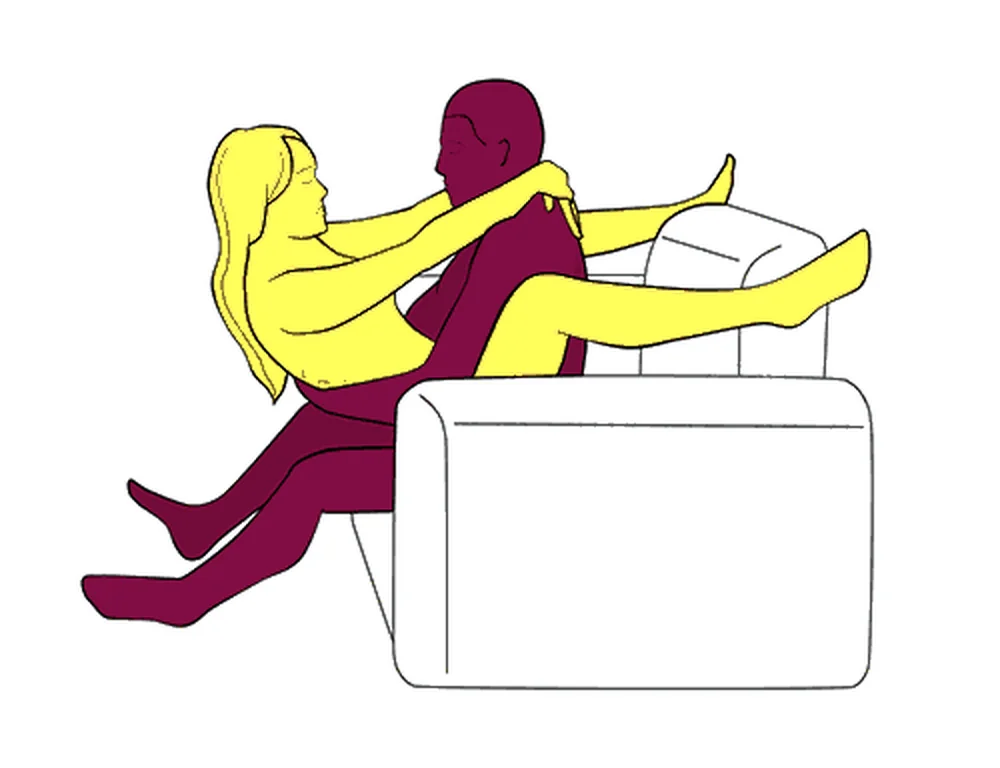
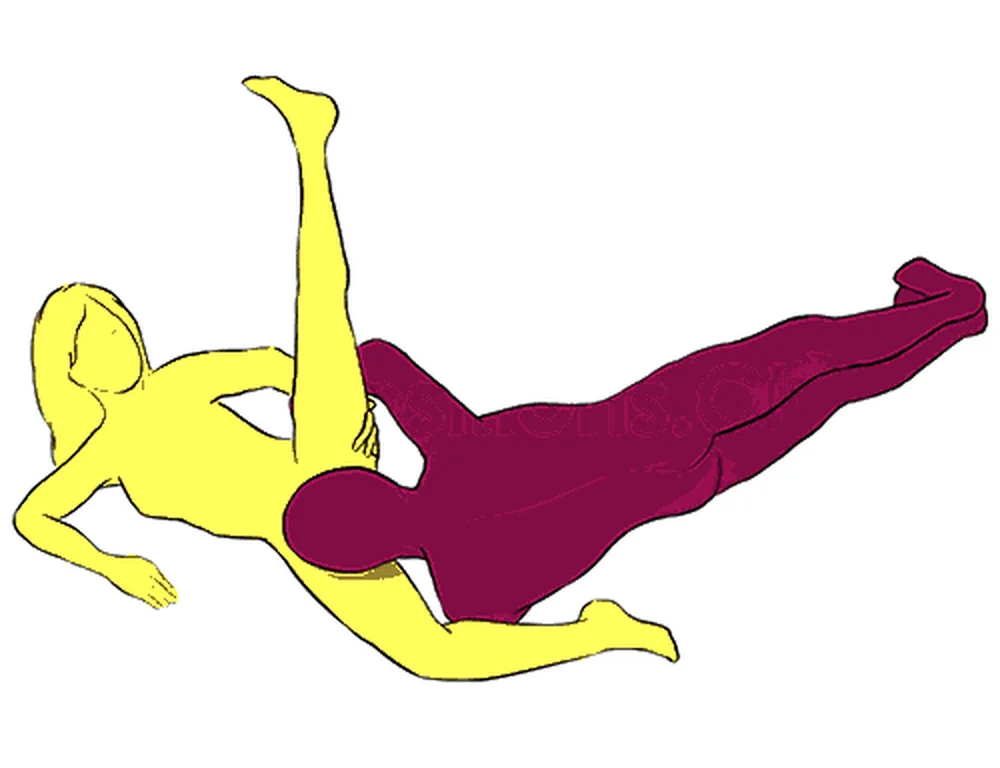
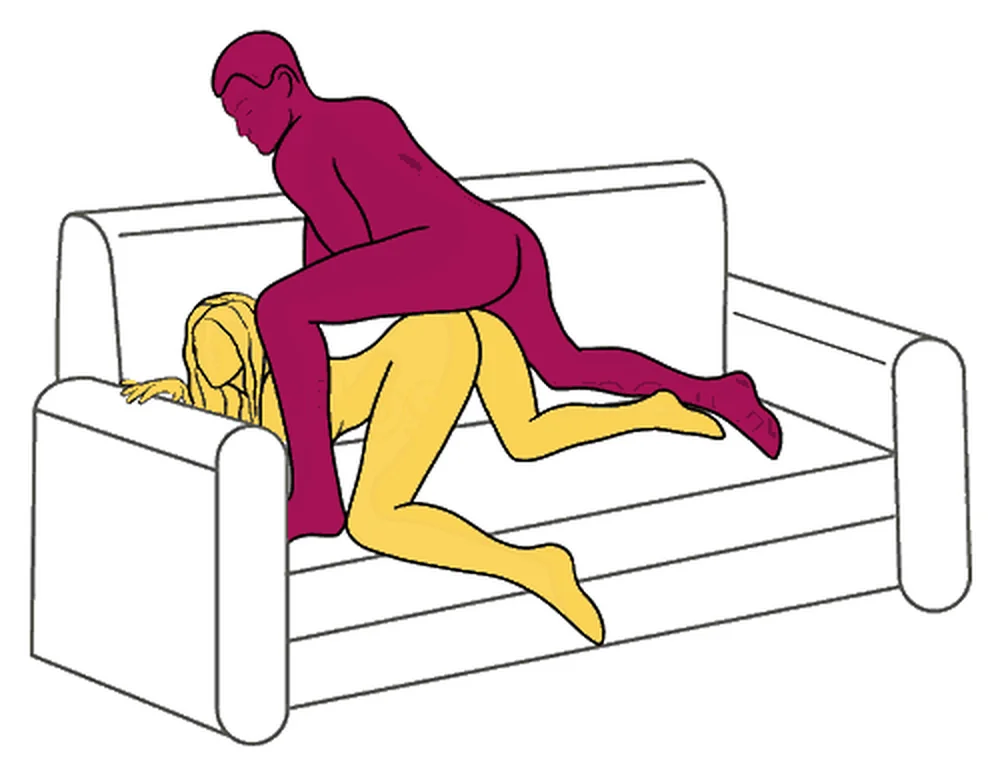
Best Positions for Edging
Certain positions make edging easier and more enjoyable:
Spooning
The slowest, most controlled position. Both partners lie on their sides, with the penetrating partner behind. Movement is minimal and controlled, making it easy to stop and start without disrupting the flow. Spooning also allows for deep emotional connection during the vulnerable moments of edging.
Woman on Top
The receiving partner controls everything — pace, depth, and rhythm. This makes it easy to slow down or stop when approaching the edge. The penetrating partner’s hands are free to stimulate the clitoris, adding another layer of sensation that can be adjusted as needed.
Lotus
Both partners sit facing each other with legs intertwined. The deep connection and full-body contact make this position ideal for intimate edging sessions. Movement is naturally slow and grinding, reducing the risk of accidentally crossing the point of no return.
Side-Lying Face-to-Face
An intimate position that allows for eye contact, kissing, and deep connection. Both partners lie on their sides facing each other. The slow, grinding motion is naturally suited to edging, and the physical closeness enhances the emotional experience.
Solo Edging Practice
Edging solo is an excellent way to build body awareness before practicing with a partner:
Step-by-Step Solo Practice
- Set aside uninterrupted time — At least 30-45 minutes
- Get comfortable — Lie down in a relaxed position
- Begin stimulation — Use your preferred method
- Pay attention to your body — Notice what arousal feels like at different levels
- Identify the edge — Learn to recognize the point of no return
- Practice stopping — Stop stimulation before crossing the edge
- Wait for the urge to subside — This is the hardest part
- Resume and repeat — Build up over multiple cycles
- Allow orgasm — When you’re ready, let go completely
- Reflect on the experience — What did you learn about your body?
What to Notice During Solo Edging
- Physical sensations at different arousal levels — What does a 5 feel like? A 7? A 9?
- The point of no return — Where exactly is it? How does it feel?
- How long the urge takes to subside — Everyone is different
- What stimulation methods work best for edging — Some are easier to control than others
- How arousal builds over multiple cycles — Does it feel different after 3 cycles vs. 1?
Advanced Edging Techniques
Extended Edging Sessions
For those who want to push boundaries:
- 30-60 minute sessions — Standard edging duration
- 1-2 hour sessions — For experienced edgers seeking maximum intensity
- Multi-orgasmic edging — After orgasm, continue stimulation to build toward additional orgasms
Temperature Play During Edging
Combining edging with temperature sensations:
- Ice cubes — Brief cold stimulation reduces arousal quickly
- Warm massage oil — Enhances relaxation and sensation
- Alternating temperatures — Creates intense sensory contrast
Light Bondage During Edging
Adding restraint can heighten the experience:
- Wrist restraints — Prevents the edged person from taking over
- Blindfold — Intensifies other senses
- Edging by the dominant partner — Adds power dynamics and trust
Common Mistakes to Avoid
Crossing the Point of No Return
The most common error. If you feel the orgasm beginning (involuntary contractions, the “surrender” feeling), you’ve gone too far. With practice, you’ll learn to stop earlier. If it happens, don’t worry — the orgasm will still be pleasurable, and you can try edging next time.
Rushing the Process
Edging requires patience. Don’t rush stimulation back after stopping. Wait until the urgency fully subsides (at least 30-60 seconds, longer for extended sessions). Rushing back in too quickly negates the benefit of the pause.
Focusing Only on Genital Sensation
Edging is about whole-body arousal, not just genital stimulation. During pauses, explore other erogenous zones — neck, ears, inner thighs, nipples. This builds arousal more holistically and makes the final orgasm more full-bodied.
Neglecting Communication
With a partner, lack of communication can ruin an edging session. Always establish signals, check in regularly, and discuss what’s working. Assumptions lead to frustration and missed edges.
The Science Behind Edging
Research supports what practitioners have known for centuries:
- Increased orgasm intensity — Studies show that longer arousal periods produce stronger orgasms
- Improved orgasm control — Regular edging trains the neuromuscular system to delay climax
- Enhanced body awareness — Practitioners develop finer control over arousal states
- Potential health benefits — Some research suggests improved prostate health for people with penises
- Psychological benefits — Increased confidence, reduced performance anxiety, deeper intimacy
Getting Started
Start with these steps:
- Begin solo — Practice the start-stop method during masturbation
- Learn your edge — Identify the point of no return with precision
- Practice patience — Master the art of waiting for the urge to subside
- Introduce a partner — Share what you’ve learned and practice together
- Experiment with variations — Try different methods, positions, and techniques
- Be patient — Mastery takes weeks, not days
The rewards of edging are well worth the practice. Orgasms become more intense, more satisfying, and more connected to your partner. You’ll develop a level of body awareness that transforms your entire sexual experience.
Frequently Asked Questions
What is edging in sex?
Edging is the practice of bringing yourself or your partner close to orgasm, then reducing stimulation to delay climax. By repeatedly approaching and pulling back from the edge, the eventual orgasm becomes significantly more intense and satisfying.
How long should you edge before orgasm?
There’s no fixed time — edging can last anywhere from 15 minutes to over an hour. The key is to stop before the point of no return (about 8 on a 1-10 arousal scale) and wait until the urge subsides before continuing. Most people edge for 20-45 minutes for optimal results.
Is edging safe?
Yes, edging is completely safe for most people. It’s a natural technique that improves body awareness and control. Some people experience temporary sensitivity or mild discomfort if they edge for extremely long sessions, but this is rare and resolves quickly.
Does edging make orgasms more intense?
Yes, research and anecdotal evidence consistently show that edging produces significantly more intense orgasms. The buildup of arousal over time, combined with the repeated near-orgasm states, creates a stronger muscular and neurological response at climax.
Can edging help with premature ejaculation?
Yes, edging is one of the most effective techniques for building orgasm control. Regular practice trains the neuromuscular system to recognize the point of no return and delay climax, significantly improving ejaculatory control over time.
What positions are best for edging with a partner?
Spooning, woman on top, and the lotus position are ideal for edging. These positions allow slow, controlled movement and easy communication. The receiving partner can control pace in woman on top, while spooning allows minimal, controlled thrusting.
Related Reading
- Improve Sexual Stamina — Complementary techniques for orgasm control
- Best Positions for Her Orgasm — Positions that enhance female pleasure
- Tantric Sex Guide — Slow, connected pleasure
- How to Please Partner — Pleasure techniques for couples
- Building Sexual Confidence — Explore with confidence
- Fantasy Sharing Guide — Enhance intimacy through sharing
Written by
CoupleSexPosition
Expert Verified
Reviewed by certified health professionals for accuracy and safety.
Meet Our Experts