Slow Sex vs Rough Sex: Finding Your Style
Slow sex and rough sex offer different intensities and connections. Compare intimacy, control, pleasure, and intensity to find what works for you.
Slow Sex vs Rough Sex: Finding Your Style
Slow sex and rough sex sit at opposite ends of the intensity spectrum, and most people have a preference — or at least a curiosity about both. Slow sex is about presence, connection, and building pleasure deliberately. Rough sex is about intensity, surrender, and letting primal energy take over.
Neither style is objectively better. They serve different emotional needs, different energy levels, and different desires. Some couples thrive on slow, passionate lovemaking. Others crave the adrenaline and intensity of rough encounters. Many enjoy both, depending on mood, context, and what they need from their partner in a given moment.
“Slow sex and rough sex serve different purposes. Slow sex builds emotional connection, increases arousal gradually, and often results in more intense orgasms. Rough sex provides adrenaline, intensity, and a sense of primal release. The healthiest approach is mastering both and choosing based on mood, desire, and connection needs.” — Dr. James Chen, Board-Certified OB/GYN
Research from The Journal of Sex Research (2021) found that 58% of couples reported highest emotional satisfaction during slow sex, while 45% reported highest physical sensation during rough sex. The most satisfied couples alternated between both styles.
Understanding how these styles compare — and how to communicate about them — helps you explore your own preferences and build a more satisfying intimate life.
What Slow Sex Offers
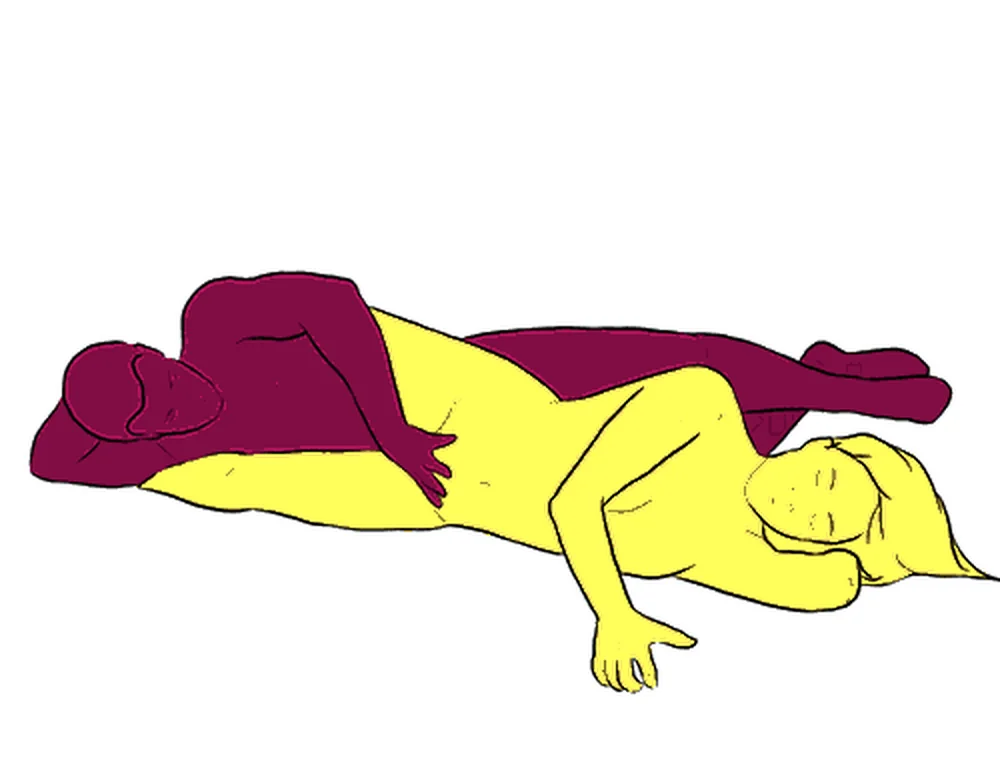
Slow sex is about intentionality. Every movement is deliberate, every touch is mindful, and the focus is on building pleasure gradually rather than racing toward orgasm. The appeal is partly physical — edging and deliberate buildup often produce more intense orgasms — and partly emotional. Slow sex creates space for eye contact, whispered words, and the kind of deep connection that fast-paced encounters often bypass.
The physical benefits of slow sex are significant. When you slow down, you notice sensations you might otherwise miss — the texture of skin, the warmth of breath, the subtle shifts in your partner’s body. This heightened awareness amplifies pleasure and makes even simple touches feel more meaningful.
Slow sex also allows for more communication. When you’re not focused on performance or pace, you can ask what feels good, respond to your partner’s cues, and adjust in real time. This verbal and non-verbal exchange strengthens the bond between partners and leads to more mutually satisfying experiences.
The emotional dimension of slow sex is perhaps its greatest offering. Vulnerability, tenderness, and presence create a type of intimacy that quick encounters rarely achieve. For many couples, slow sex is where they feel most loved, most desired, and most connected.
What Rough Sex Offers
Rough sex is about intensity. It’s the hair-pulling, the spanking, the pinning against the wall — the physical manifestation of raw desire. The appeal is partly physiological — adrenaline and endorphins heighten arousal — and partly psychological. Rough sex allows you to surrender control, express primal desire, and experience sex as something powerful and unapologetic.
The physical intensity of rough sex creates a different kind of pleasure. It’s less about nuanced sensation and more about overwhelming, full-body arousal. The adrenaline rush heightens every sense, making touch feel more electric and movement feel more urgent.
Rough sex also offers a psychological release that slow sex doesn’t provide. For people who spend their daily lives in control — making decisions, managing responsibilities, holding everything together — the opportunity to let go and be taken can be deeply liberating. The reverse is equally true: for people who want to take charge and express their desire assertively, rough sex provides an outlet.
Trust is a crucial element of rough sex. The receiving partner is making themselves vulnerable, and the dominant partner is accepting responsibility for that vulnerability. This dynamic, when handled with care and communication, can actually deepen trust and intimacy more than gentle sex.
Head-to-Head Comparison
| Factor | Slow Sex | Rough Sex |
|---|---|---|
| Intensity | Low to moderate — builds gradually | High — immediate and overwhelming |
| Intimacy | Deep emotional connection through presence | Trust-based connection through vulnerability |
| Control | Shared — both partners present | Often one partner leads, one surrenders |
| Pleasure | Nuanced, building, often more intense orgasm | Adrenaline-fueled, immediate, powerful |
| Communication | Verbal and non-verbal throughout | Requires boundaries and safe words |
| Physical Effort | Low — sustainable for long sessions | High — energetic and demanding |
| Aftercare | Natural — holding and reconnecting | Essential — emotional processing needed |
| Best For | Romantic connection, building arousal | Release, novelty, adrenaline |
Pros and Cons
Slow Sex
Pros:
- Creates deep emotional intimacy and connection
- Allows buildup and edging for more intense orgasms
- Heightened awareness of sensation and pleasure
- More time for communication and responsiveness
- Sustainable for long sessions without fatigue
- Accessible to all body types and fitness levels
- Naturally creates a safe, low-pressure environment
Cons:
- Can feel too slow for people who prefer high energy
- May not satisfy those who crave adrenaline and intensity
- Requires patience and presence from both partners
- Can feel routine if not varied with different techniques
- May not produce the “out of body” intensity some people seek
Rough Sex
Pros:
- High intensity creates powerful arousal
- Adrenaline and endorphins heighten pleasure
- Provides psychological release and liberation
- Can build trust through vulnerability and care
- Adds novelty and excitement to routine
- Allows expression of primal desire
- Can produce intensely powerful orgasms
Cons:
- Requires clear communication and boundaries
- Higher risk of physical discomfort or injury if done carelessly
- Can trigger emotional responses that need processing
- Not suitable for all moods or energy levels
- Requires aftercare for emotional wellbeing
- Can be intimidating for beginners
When to Choose Slow Sex
Slow sex is the right choice when emotional connection is your priority. It’s ideal for romantic evenings, when you want to feel deeply loved and desired, or when you want to build toward a more intense orgasm through deliberate edging. Choose slow sex when you want to be fully present with your partner, when you want to notice every sensation, or when you want to create a memory of tenderness and connection.
Slow sex is also the better choice when dealing with stress, anxiety, or emotional vulnerability. The gentle, supportive nature of slow encounters provides a safe space for processing emotions through physical connection. For more on building intimacy, see our sensate focus guide.
When to Choose Rough Sex
Rough sex is the right choice when you want intensity and release. It’s ideal for when you’re feeling pent-up energy, when you want to break routine, or when you want to express desire in a raw, unfiltered way. Choose rough sex when you want adrenaline, when you want to surrender control or take charge, or when you want to feel the primal side of your sexuality.
Rough sex also works well for adding novelty and excitement to a long-term relationship. The intensity and novelty can reignite passion and remind you of the raw desire you felt early in your relationship. For more on spicing things up, explore our spice up your marriage guide.
Expert Tips for Both Styles
For Slow Sex:
- Focus on breathing together to sync your rhythms
- Use the tip of your fingers rather than full hand for more nuanced touch
- Take breaks where you simply hold still inside each other
- Whisper what you’re feeling and what you want
- Use massage oil to extend foreplay and build anticipation
- Practice edging — build toward orgasm, then back off, then build again
For Rough Sex:
- Establish safe words before you start — “red” for stop, “yellow” for slow down
- Start slowly and increase intensity gradually
- Communicate boundaries beforehand — what’s on the table and what’s not
- Check in regularly, especially with newer partners
- Practice aftercare — hold, comfort, and reconnect afterward
- Educate yourself on safe practices for any intense activities
Frequently Asked Questions
Which is better for orgasm?
Both can lead to orgasm, but through different mechanisms. Slow sex allows buildup and edging, which can produce more intense, full-body orgasms. Rough sex heightens arousal through adrenaline and intensity, which can also lead to powerful orgasms. The “better” choice depends on your body’s response to different types of stimulation.
Is rough sex safe?
Rough sex is safe when all parties consent, communicate boundaries, and use safe words. Start slowly, establish limits beforehand, and check in regularly. Avoid choking, hitting, or other intense activities without proper education and consent. Aftercare — emotional processing and physical comfort afterward — is essential.
Can I enjoy both slow and rough sex?
Absolutely. Many people enjoy both styles depending on their mood, energy level, and partner. Alternating between slow and rough creates dynamic sexual experiences and prevents routine. The key is communication — letting your partner know what you need in a given moment.
How do I communicate about rough sex?
Start the conversation outside the bedroom. Discuss specific activities you’re interested in and hard limits. Establish a safe word system. Check in during the act. Aftercare afterward is essential for both partners’ emotional wellbeing. Most partners are willing to explore when they feel safe and informed.
Does slow sex lead to better intimacy?
Slow sex often fosters deeper emotional intimacy because it allows more time for eye contact, verbal communication, and emotional connection. However, rough sex can also build trust and intimacy through vulnerability and shared intensity. Both styles can strengthen bonds when practiced with care, communication, and mutual respect.
How do I transition between slow and rough sex in a relationship?
Communication is key. Discuss your preferences and energy levels openly. Start with one style and transition naturally based on mood and arousal. For example, begin with slow, intimate connection and gradually increase intensity if both partners want more energy. Pay attention to your partner’s verbal and nonverbal cues, and check in during the transition to ensure comfort and consent.
Related Reading
- Sensate Focus Guide — Practice mindful, slow touch
- Spice Up Your Marriage — Break routine with new experiences
- How to Talk About Sex — Improve communication with your partner
- Tantric Sex Guide — Explore slow, intentional intimacy
- Sensual Massage Guide — Build anticipation through touch
- Building Sexual Confidence — Enhance your intimate self-image
Written by
CoupleSexPosition
Expert Verified
Reviewed by certified health professionals for accuracy and safety.
Meet Our Experts