Understanding Squirting: What You Need to Know
A comprehensive guide to squirting. Learn what it is, how it happens, techniques for achieving it, and common myths and misconceptions.
Squirting, also known as female ejaculation, is a phenomenon where fluid is expelled from the urethra during sexual arousal or orgasm. This guide covers the science, techniques, and common myths about squirting.
“Squirting is a normal physiological response that varies widely between individuals. It’s not a measure of sexual pleasure or skill — some women experience it regularly, others rarely or never, and all of these are completely normal. Understanding the anatomy and removing shame is key to exploring this aspect of sexuality.” — Dr. James Chen, Board-Certified OB/GYN
Research published in Sexual Medicine Reviews (2020) found that squirting involves fluid from the Skene’s glands, which is anatomically similar to male prostatic fluid, and occurs in approximately 10-54% of women depending on the study.
What is Squirting?
The Science Behind It
Squirting involves:
- Expulsion of fluid from the urethra during arousal or orgasm
- Fluid that comes from the Skene’s glands (sometimes called the “female prostate”)
- The fluid is similar in composition to male prostatic fluid
- It’s a normal physiological response, not something to be embarrassed about
The Skene’s Glands:
The Skene’s glands are located on the anterior wall of the vagina, around the lower end of the urethra. They are also known as the “female prostate” because they share similarities with the male prostate in both structure and function. These glands contain erectile tissue and are connected to the urethra, which is why fluid expelled during squirting exits through the urethral opening.
Research using MRI technology has shown that the Skene’s glands can engorge with fluid during arousal, and the expulsion of this fluid through the urethra during orgasm or intense stimulation is what constitutes squirting.
How Common is Squirting?
- Studies suggest 10-54% of women have experienced it
- It’s more common than many people think
- It varies widely from person to person
- Some women experience it regularly, others rarely or never
Factors That Influence Squirting:
- Anatomy — Size and sensitivity of the Skene’s glands varies
- Arousal patterns — Individual arousal responses differ
- G-spot sensitivity — The G-spot is closely connected to the Skene’s glands
- Relaxation — Tension can inhibit the response
- Mental state — Anxiety or self-consciousness can prevent squirting
What is the Fluid?
Composition
The fluid expelled during squirting:
- Comes from the Skene’s glands
- Is similar to male prostatic fluid (contains PSA and PAP)
- May contain traces of urine (due to proximity to urethra)
- Is clear or slightly milky in appearance
- Has a different consistency than vaginal lubrication
Scientific Analysis:
A 2015 study published in The Journal of Sexual Medicine analyzed squirting fluid and found:
- It contains prostate-specific antigen (PSA), the same enzyme found in male ejaculate
- It contains fructose, a sugar also found in male ejaculate
- The composition is chemically different from urine
- While it may contain trace amounts of urine, it is primarily Skene’s gland fluid
Volume
- Can range from a few drops to several ounces
- Varies widely from person to person
- May occur in a small gush or larger release
- Volume doesn’t indicate pleasure level
How to Achieve Squirting
Preparation
- Empty your bladder first — Reduces anxiety about urine
- Use plenty of lubricant — Reduces friction and increases comfort
- Relax — Tension inhibits the response
- Communicate — Let your partner know what you’re trying
- Create a comfortable environment — Waterproof blankets or towels can reduce anxiety about mess
- Remove time pressure — Allow yourself to explore without rushing
Technique: G-Spot Stimulation
Steps:
- Begin with foreplay to build arousal
- Use fingers to stimulate the G-spot area (located 1-2 inches inside the vaginal canal on the front wall)
- Apply firm, consistent pressure
- Make a “come here” motion with fingers
- Continue stimulation as arousal builds
- Some women feel a “pushing” sensation before squirting
Tips:
- Start with lighter pressure, increase as arousal builds
- Use lubricant for comfort
- Don’t worry if it doesn’t happen — it’s not a goal
- Focus on pleasure, not outcome
- The G-spot area may feel ridged or textured when aroused
The “Come Here” Technique:
This is the most commonly recommended technique for G-spot stimulation. Using your index and middle fingers:
- Insert them into the vagina with the palm facing up
- Curl your fingers toward the front wall of the vagina
- Make a “come here” motion, pressing against the G-spot area
- Apply consistent, firm pressure
- Continue the motion as arousal builds
Technique: During Intercourse
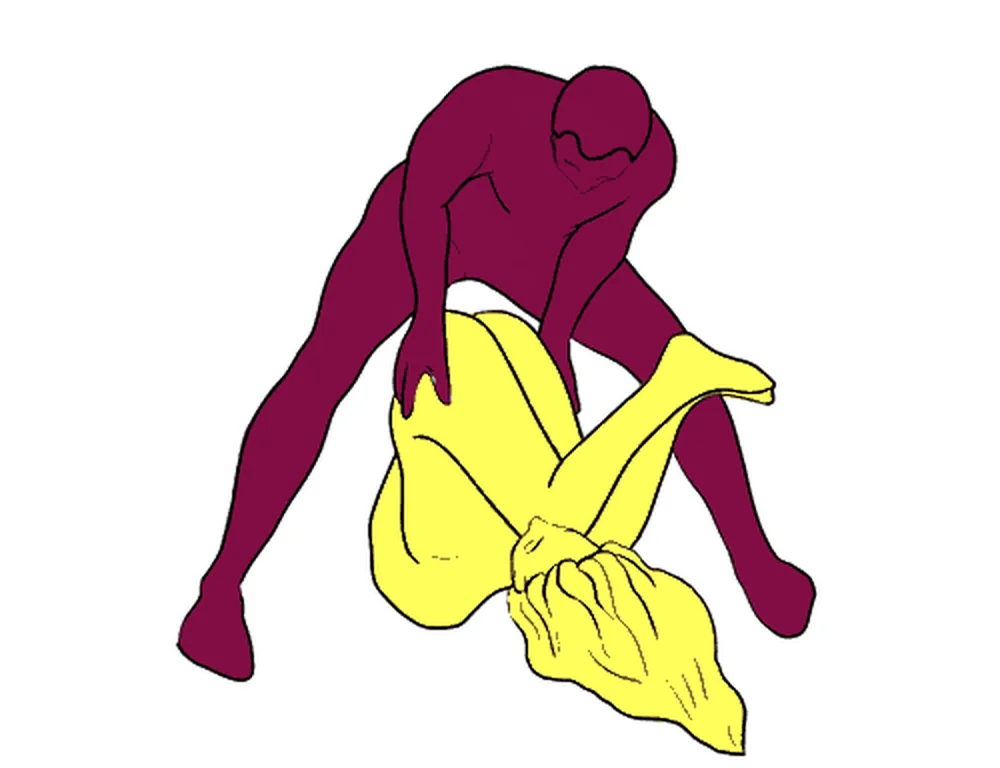
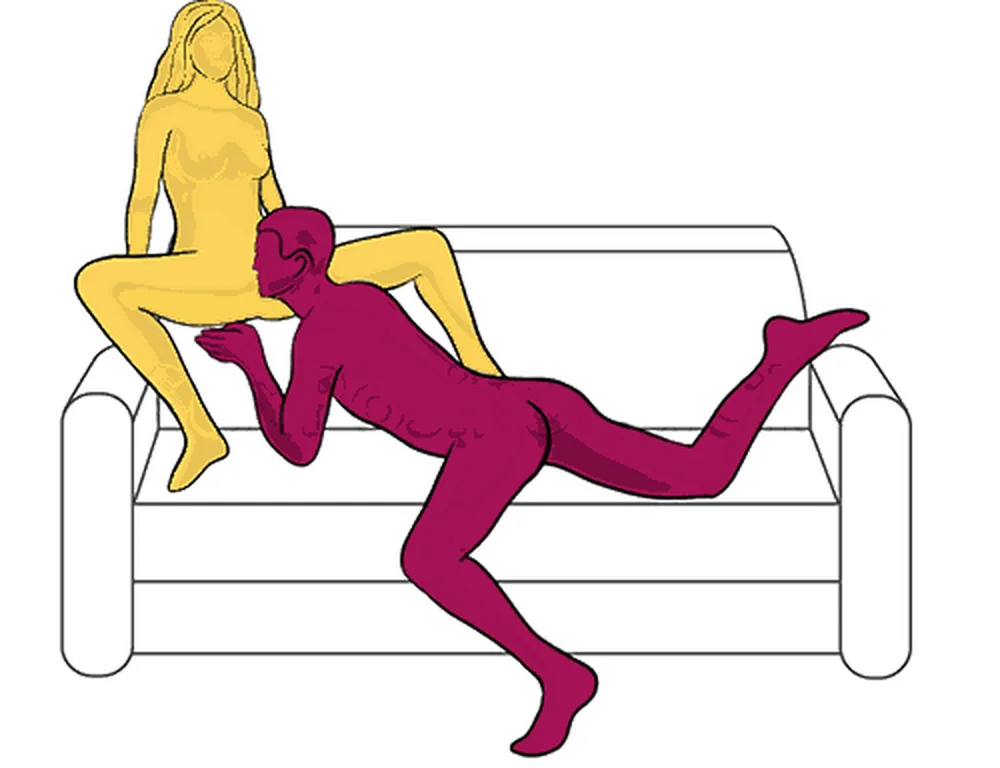
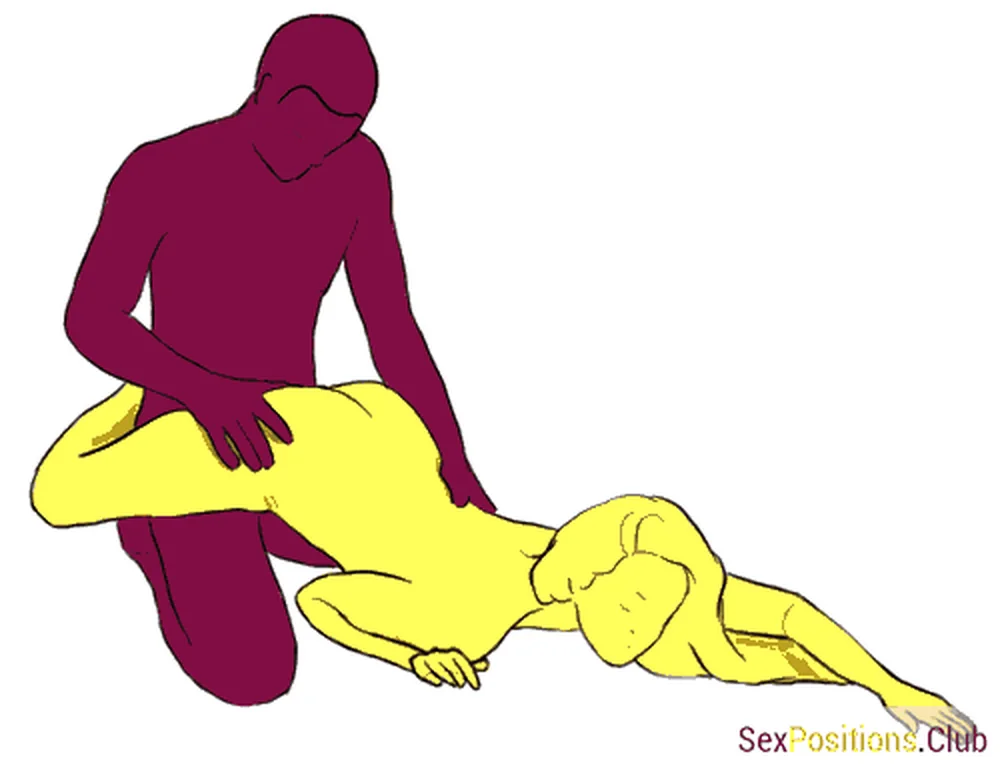
Positions that help:
- Cowgirl — Receiving partner controls angle and pressure
- Modified missionary — Pillow under hips angles pelvis
- Doggy style — Deep penetration angle
- Edge of bed — Good angle for G-spot stimulation
For detailed position guides, see our G-spot stimulation guide and best positions for her orgasm.
Tips:
- Combine with manual stimulation
- Communicate about angle and pressure
- Don’t rush — build arousal slowly
- Use lubricant for comfort
Using Sex Toys
Types of toys:
- Curved vibrators designed for G-spot
- G-spot massagers
- Toys with firm, curved tips
- Vibrating toys for consistent stimulation
Tips:
- Start with lower intensity
- Use lubricant for comfort
- Experiment with different speeds and patterns
- Combine with clitoral stimulation
- Look for toys with a curved design that targets the G-spot area
Common Myths About Squirting
Myth 1: “All Women Can Squirt”
Truth: Not all women experience squirting, and that’s completely normal. It’s a normal physiological response, not a measure of sexual pleasure or ability. Research shows that approximately 10-54% of women have experienced squirting, which means a significant portion have not — and that’s perfectly normal.
Myth 2: “Squirting is Just Urine”
Truth: While the fluid may contain traces of urine, it primarily comes from the Skene’s glands and is similar to male prostatic fluid. Scientific analysis has confirmed the presence of prostate-specific antigen (PSA) and fructose, which are not found in urine.
Myth 3: “Squirting Equals a Better Orgasm”
Truth: Squirting doesn’t necessarily indicate a more intense orgasm. Some women squirt with orgasm, some without, and some never squirt at all. The two responses are controlled by different physiological mechanisms.
Myth 4: “You Should Be Embarrassed”
Truth: Squirting is a normal physiological response. There’s nothing to be embarrassed about. If the mess makes you uncomfortable, using towels or waterproof blankets can help reduce anxiety.
Myth 5: “If It Doesn’t Happen, You’re Doing It Wrong”
Truth: Squirting varies widely from person to person. Not experiencing it doesn’t mean you’re doing anything wrong. Focus on pleasure rather than outcome.
Myth 6: “You Need to Stimulate the G-Spot to Squirt”
Truth: While G-spot stimulation is the most common trigger, some women can squirt from clitoral stimulation, nipple stimulation, or even without direct genital stimulation. The response is highly individual.
Emotional and Psychological Aspects
Anxiety and Pressure
- Performance pressure can inhibit squirting
- Focus on pleasure, not outcome
- Don’t pressure yourself or your partner
- It’s okay if it doesn’t happen
- Creating a relaxed, judgment-free environment helps
Overcoming Anxiety:
If you feel anxious about squirting, try:
- Exploring alone first, without pressure
- Using waterproof blankets to reduce mess anxiety
- Communicating with your partner about your concerns
- Focusing on pleasure rather than the outcome
- Remembering that not squirting is completely normal
Body Image
- Squirting can feel messy or embarrassing
- It’s a normal body response
- Communicate with your partner about comfort
- Use towels if needed for comfort
Communication with Partner
- Discuss expectations and comfort levels
- Let them know what you’re trying
- Communicate about what feels good
- Don’t make it a goal — focus on pleasure
How to Talk to Your Partner:
If you want to explore squirting with your partner:
- Explain what squirting is (many people don’t understand the anatomy)
- Share that it’s a normal response, not a measure of pleasure
- Discuss comfort levels with mess
- Agree to focus on pleasure rather than outcome
- Be patient and supportive with each other
When to Seek Help
Consult a healthcare provider if you:
- Experience pain during arousal or orgasm
- Have concerns about sexual function
- Notice unusual discharge or odor
- Have urinary issues
For related concerns, see our pain during sex guide and female orgasm guide.
Frequently Asked Questions
Is squirting the same as an orgasm?
No. Squirting and orgasm are separate physiological responses, though they can occur simultaneously. Some women squirt with orgasm, some squirt without orgasm, and some have orgasms without squirting. The fluid expulsion is not a measure of orgasm intensity.
Can every woman learn to squirt?
No. Research suggests that approximately 10-54% of women have experienced squirting, and not all women can learn to do it. The ability depends on anatomy, arousal patterns, and individual variation. Not experiencing squirting doesn’t mean you’re doing anything wrong.
Is the fluid urine?
The fluid primarily comes from the Skene’s glands and is similar to male prostatic fluid. However, it may contain traces of urine due to its proximity to the urethra. Emptying your bladder before sexual activity can reduce this.
How do I make my partner feel comfortable if she’s worried about “making a mess”?
Reassure her that squirting is a normal body response and nothing to be embarrassed about. Use towels or waterproof blankets if needed. Focus on pleasure, not the mess. Many couples find that open communication about this topic actually increases intimacy.
Does squirting mean a better orgasm?
No. Squirting doesn’t necessarily indicate a more intense orgasm. The two responses are controlled by different physiological mechanisms. Some women squirt with mild orgasms and some have intense orgasms without squirting.
Can squirting happen without G-spot stimulation?
Yes. While G-spot stimulation is the most common trigger, some women can squirt from clitoral stimulation, nipple stimulation, or even without any direct genital stimulation. The response is highly individual.
Conclusion
Squirting is a normal physiological response that varies widely from person to person. Whether you experience it or not, the most important thing is to focus on pleasure, communication, and connection with your partner. Don’t make squirting a goal — let it happen naturally if it does, and enjoy the pleasure regardless.
Related Reading
- G-Spot Stimulation Guide — Techniques for internal stimulation
- Best Positions for Her Orgasm — Positions that maximize female pleasure
- Female Orgasm Guide — Comprehensive guide to female pleasure
- How to Squirt — Step-by-step guide
- Pleasure Mapping Guide — Explore your body
- Couples Intimacy Guide — Build connection
Written by
CoupleSexPosition
Expert Verified
Reviewed by certified health professionals for accuracy and safety.
Meet Our Experts