Corkscrew
A twisting, corkscrew motion for varied stimulation.
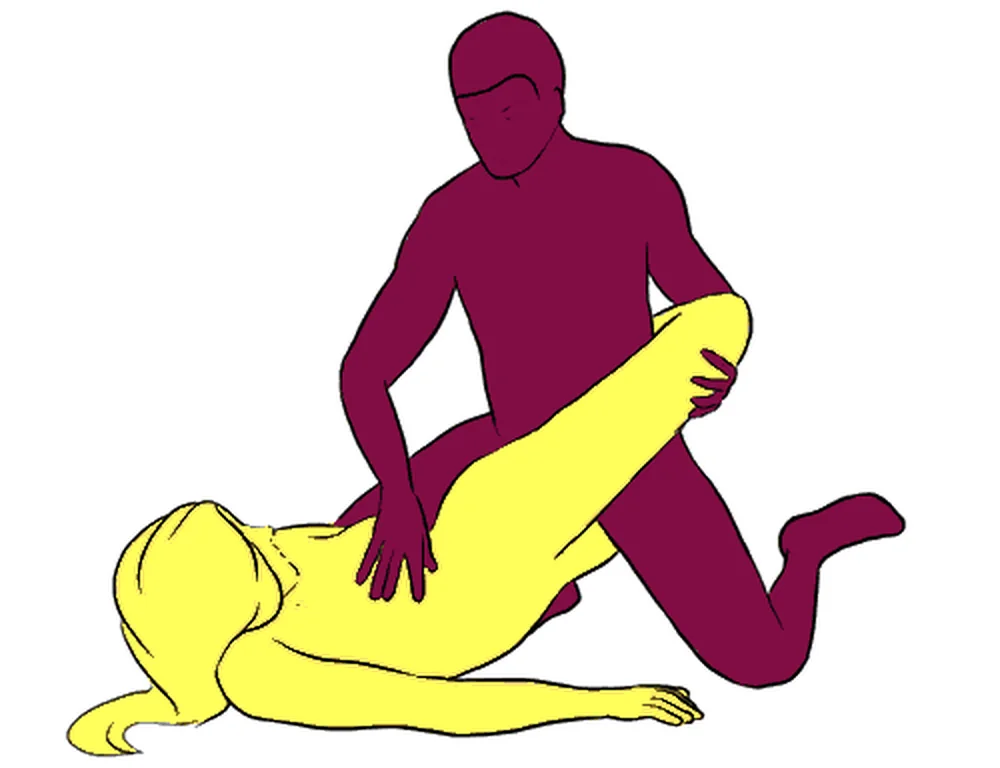
About This Position
The receiving partner lies on their side while the penetrating partner enters from behind with a twisting, corkscrew-like motion. The rotation creates varied stimulation and changes the angle throughout the movement.
Best For
Clitoral Stimulation
Limited clitoral stimulation from the twisting motion.
Hands can be used, but the twisting motion makes it challenging.
G-Spot Stimulation
Good G-spot stimulation from the rotating angle that hits different spots.
The twisting motion creates varied internal stimulation.
Anatomy & Physiology
Muscle Groups Involved
- Inner thighs
- Hip flexors
- Glutes
- Core
Angle of Penetration
Rotating angle — changes throughout the corkscrew motion
Targeted Pleasure Zones
Body Contact Points
Step-by-Step Guide
The receiving partner lies on their side on a comfortable surface, legs together or slightly bent. The inner thighs and hip flexors support the side-lying position.
Tip: The side-lying position is comfortable and allows for the twisting motion that defines this position.
The penetrating partner enters from behind with a twisting, corkscrew-like motion. The rotation during entry creates the unique stimulation pattern.
Tip: The rotating angle changes continuously — this hits the G-spot, side walls, and anterior wall in different patterns.
Rotate the hips in a circular motion during entry for the corkscrew effect. The rotation is what differentiates this from standard side-entry positions.
Tip: The inner thighs create friction during the rotation — the twisted movement stimulates multiple internal zones.
Continue the twisting motion throughout for varied stimulation. The rotation changes the angle of penetration continuously, hitting different spots with each turn.
Tip: Communicate about which angles feel best — the rotation cycles through anterior, posterior, and side walls.
The rotation changes the angle of penetration continuously. The G-spot is rated 4/5 because the twisting motion creates varied internal stimulation.
Tip: The penetrating partner's core and hip muscles create the controlled rotation.
Communicate about which angles feel best. The corkscrew motion cycles through different internal zones — feedback helps optimize the rotation pattern.
Tip: This is a Medium difficulty position — the coordination required is moderate.
Start with slow twists and increase the rotation gradually. The twisting sensation builds intensity as the rotation speed increases.
Tip: The chest-to-back body contact point provides stability during the rotation.
Safety & Precautions
Warnings
- ! Requires coordination between both partners.
- ! The twisting motion can be confusing at first.
Modifications
- * Start with slow twists and increase the rotation gradually.
- * Communicate about the angle and depth throughout.
Safe during pregnancy — gentle side-lying position with controlled movement.
Medical References & Sources
The information on this page has been reviewed for accuracy by certified health professionals. The following peer-reviewed and authoritative sources were used in developing this guide:
- • Mayo Clinic — Sexual Health
- • American College of Obstetricians and Gynecologists (ACOG) — Sexual Health
- • National Institute of Child Health and Human Development (NICHD)
- • Cleveland Clinic — Sexual Health
- • Healthline — Healthy Sex & Relationships
Health Disclaimer: Always consult a healthcare professional before trying new positions, especially if you have back pain, joint issues, are pregnant, or have any medical condition. Stop immediately if you experience pain.
Pros
- + Creates varied stimulation through twisting
- + Deep penetration angle
- + Unique and exciting sensation
Cons
- - Requires coordination
- - Can be confusing to get the motion right
Tips
- * Start with slow twists and increase the rotation
- * Communicate about the angle and depth
Common Mistakes to Avoid
Even with the right technique, small errors can reduce pleasure or increase injury risk. Here are the most common mistakes couples make with the Corkscrew position:
Twisting too aggressively
The corkscrew motion should be controlled and rhythmic. Aggressive twisting can cause discomfort or strain the inner thighs. Start slow and increase rotation gradually.
Not coordinating the rotation
Both partners need to move in sync for the corkscrew effect to work. Uncoordinated movement creates awkward angles rather than smooth, varied stimulation.
Staying in one rotation pattern
The corkscrew's advantage is varied stimulation through changing angles. Sticking with one rotation direction or speed misses the variety this position offers.
Ignoring the side-lying comfort
The side-lying position is designed for comfort. If either partner develops hip or back pain, adjust the position rather than pushing through discomfort.
Variations to Try
Once you've mastered the basic Corkscrew, these variations can add new sensations and keep things exciting:
Add a Pillow
Place a pillow under the receiving partner's hips to change the angle of penetration and enhance stimulation.
Incorporate Manual Stimulation
Use hands to add clitoral or other external stimulation during the position for enhanced pleasure.
Slow Down the Pace
Switch from thrusting to grinding for a more intimate, sensation-focused experience.
Try Different Surfaces
Move from the bed to a couch, standing, or against a wall for different angles and experiences.
Related Positions
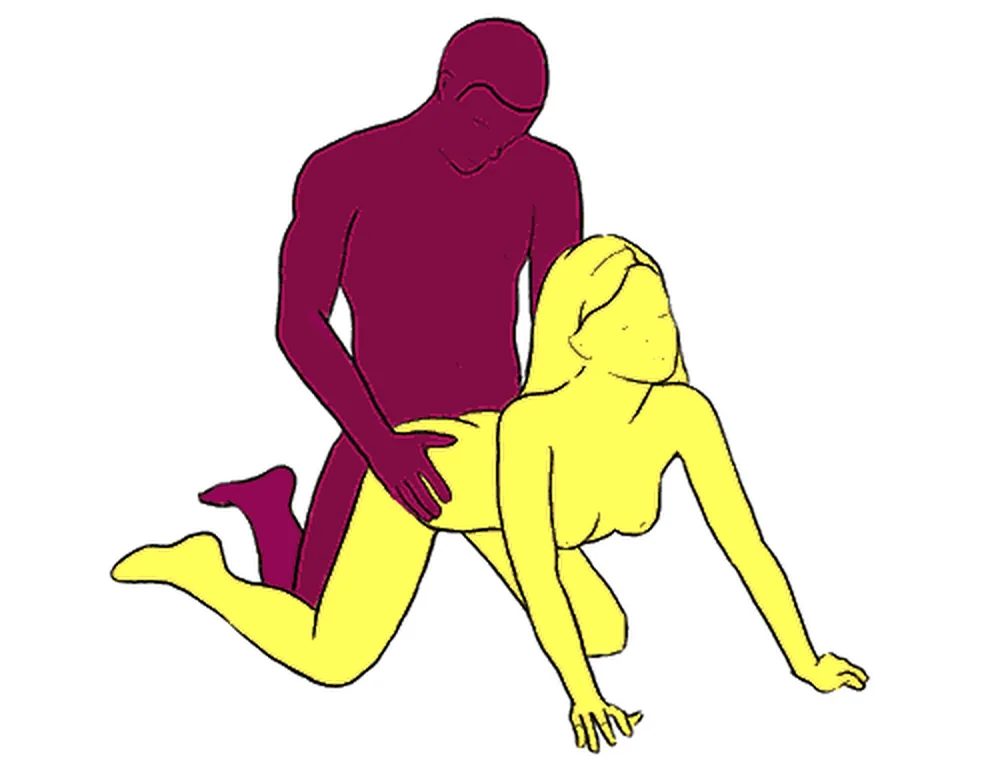 🐕
🐕 Doggy Style
A timeless classic with deep connection and intensity.
 6️⃣
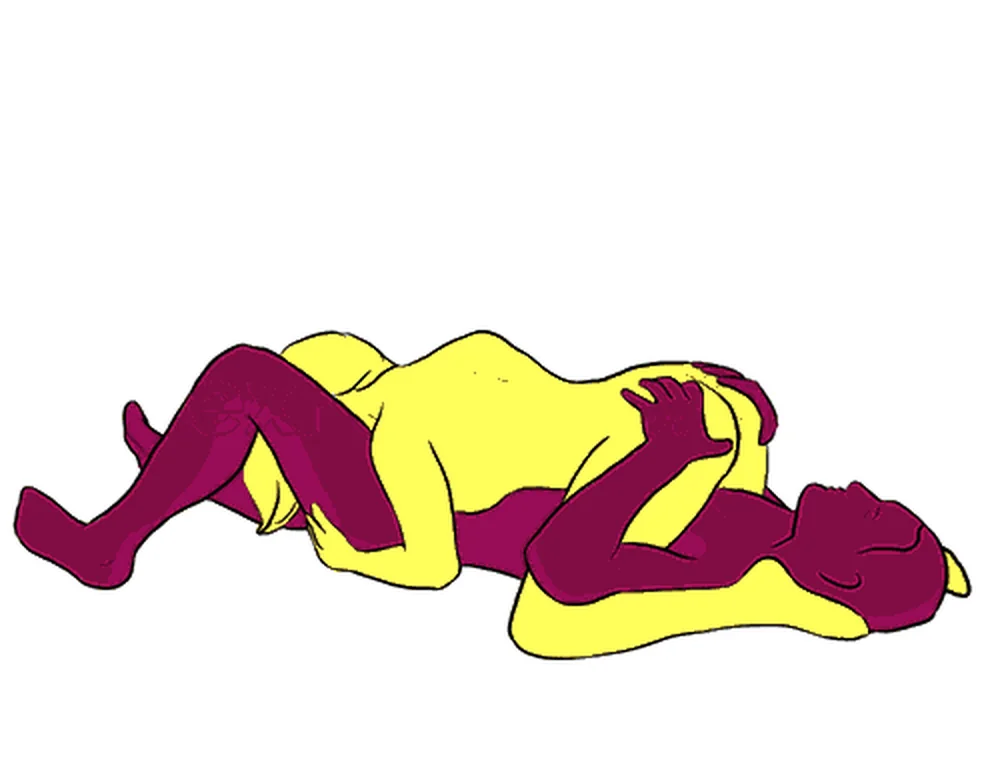
6️⃣ Sixty-Nine
Simultaneous oral pleasure in this classic position.
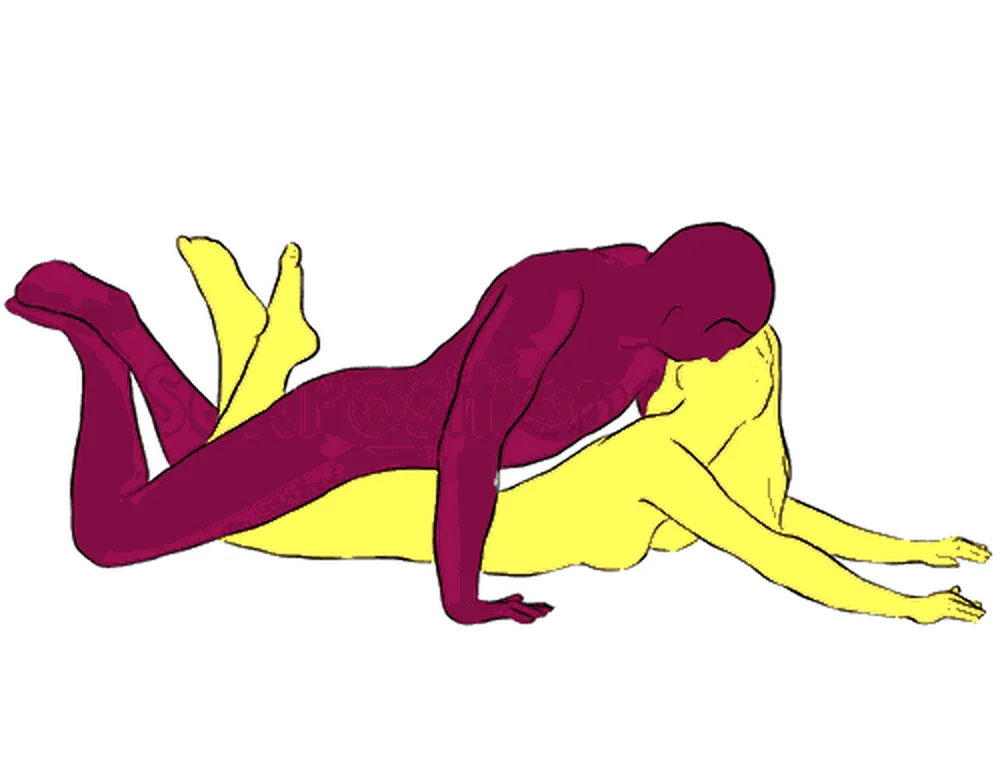 🛋️
🛋️ Prone Bone
A flat, face-down position for deep, grinding sensations.
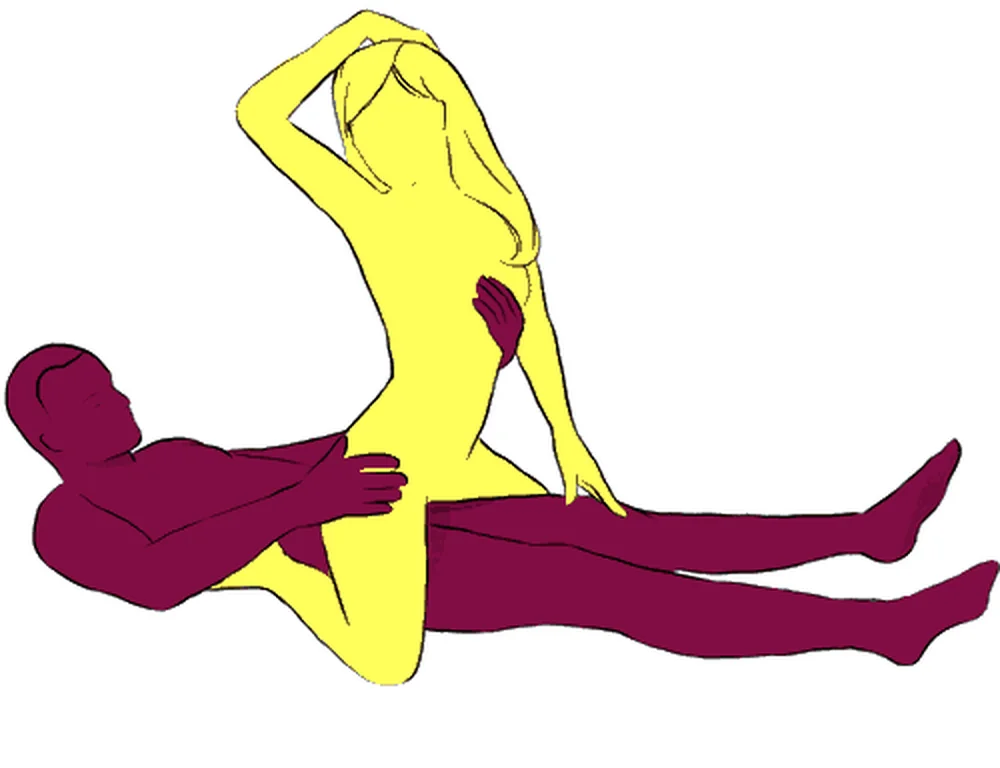 🔄
🔄 Reverse Cowgirl
A fresh angle that brings a new dimension of pleasure.
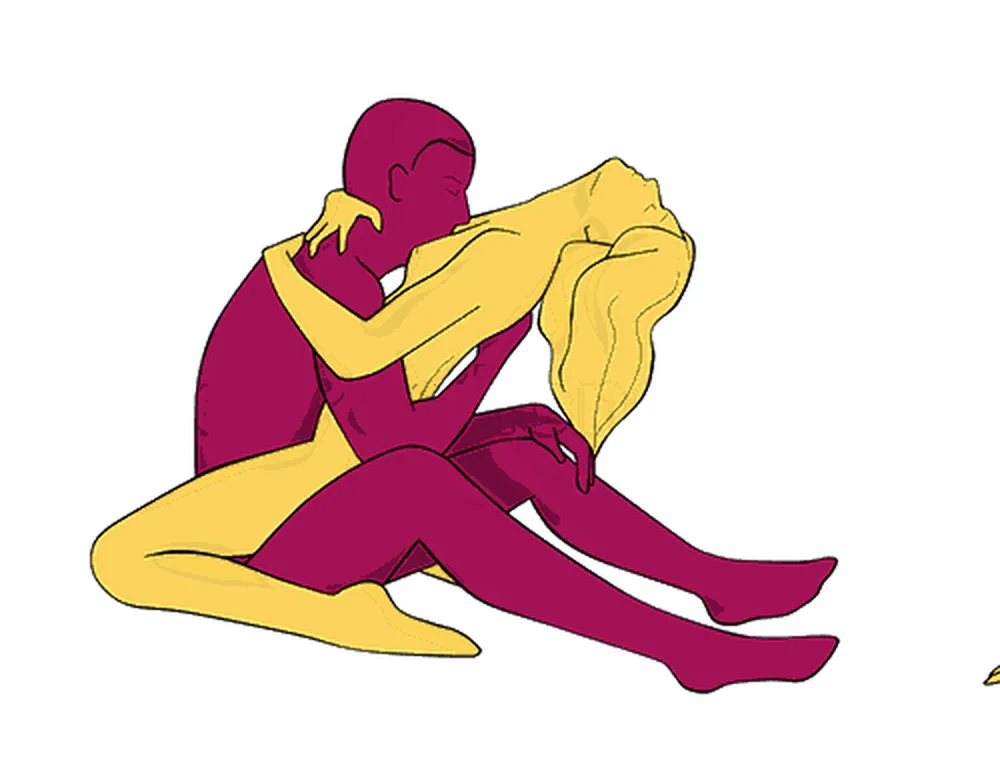 🪷
🪷 Lotus
A meditative, deeply connected seated embrace.
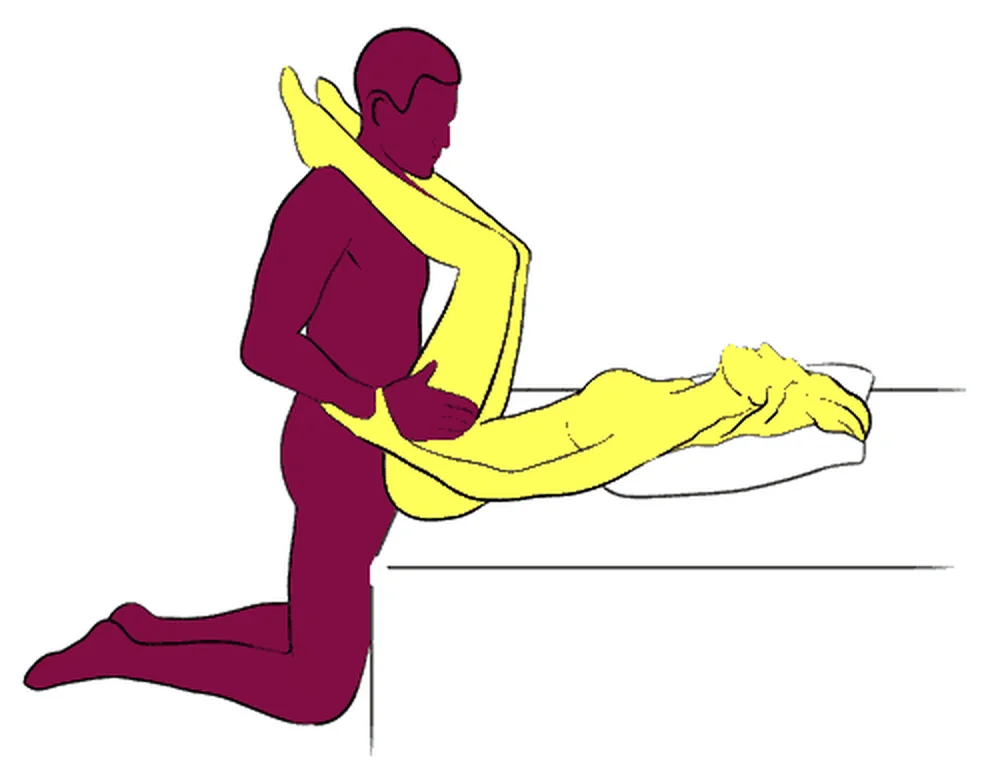 🦋
🦋 Butterfly
Lift the legs for deep penetration and eye contact.
Written by Dr. Sarah Mitchell
Certified Sex Therapist, PhD in Human Sexuality
Reviewed by Dr. James Chen
Board-Certified OB/GYN, 15+ Years Experience
Last reviewed: July 2026 | Content medically verified | Meet our full team
Related Articles
Best Sex Positions for Deep Orgasm: Reach New Heights
Want deeper, more intense orgasms? Discover the best sex positions designed for deep penetration and powerful orgasms, with techniques for maximum sensation.
Position GuideDeep Penetration Positions: Positions for Maximum Depth and Fullness
Discover sex positions that allow for the deepest penetration. Learn which positions create maximum depth, angle, and fullness for intense internal pleasure.
Intimacy GuideDoggie Style Explained: Comfort, Angles & How to Make It More Intimate
Doggie style is a favorite for deep penetration. Learn proper form, angle adjustments for G-spot stimulation, and how to make it emotionally connected.
Comparison GuideDoggy Style vs Missionary: Complete Comparison
Doggy style and missionary are two of the most popular positions worldwide. Compare depth, pleasure, comfort, and intimacy to find your favorite.
Position GuideBest Sex Positions for a Big Penis: Comfortable and Pleasurable Options
Discover sex positions designed for comfort and pleasure when the penetrating partner has a larger penis. Reduce discomfort and maximize satisfaction for both partners.
User Reviews
Rate this position
No reviews yet. Be the first to rate this position!