London Bridge
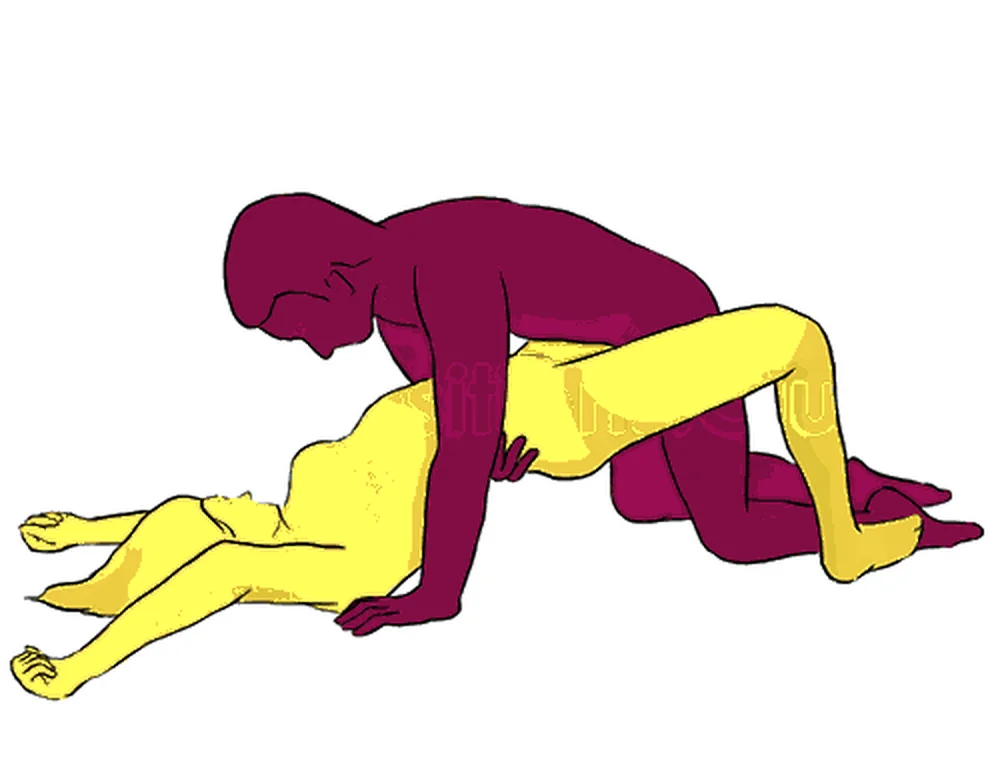
A bridged position with the receiver arched like a bridge.
About This Position
The receiving partner creates a bridge with their body by supporting themselves on their hands and feet, while the penetrating partner enters from below. This position requires significant strength and flexibility.
Best For
Clitoral Stimulation
Minimal clitoral stimulation from the bridged position.
Very difficult to access the clitoris while maintaining the bridge.
G-Spot Stimulation
Good G-spot stimulation from the upward angle created by the bridge.
The bridged position directs pressure along the anterior wall.
Anatomy & Physiology
Muscle Groups Involved
- Arms
- Shoulders
- Core
- Glutes
- Hamstrings
- Wrists
Angle of Penetration
Upward angle from below, deep penetration
Targeted Pleasure Zones
Body Contact Points
Step-by-Step Guide
The receiving partner creates a bridge with their body — supporting themselves on hands and feet with hips lifted, like a tabletop. The arms, shoulders, core, glutes, hamstrings, and wrists all engage significantly.
Tip: This requires significant strength — practice holding the bridge before adding penetration.
The penetrating partner enters from below while the receiving partner holds the bridge. The upward angle from below creates a unique penetration direction.
Tip: The G-spot is rated 4/5 — the bridged position directs pressure along the anterior wall from below.
This requires significant strength from the receiving partner — keep sessions brief. The arms and legs support the entire body weight while being penetrated.
Tip: The penetrating partner's core and legs power the movement from the below position.
The penetrating partner controls the movement from below. The angle from underneath is completely different from above-entry positions.
Tip: The hands-on-bed and feet-on-bed body contact points create the stable base.
Use a soft surface for safety in case the receiving partner fatigues and collapses. A bed is essential — never attempt on a hard surface.
Tip: Wrist and shoulder strain is significant — take breaks frequently.
Practice holding the bridge position first before adding sex. The strength requirement is substantial — build up to it gradually.
Tip: The deep spot, anterior wall, and cervix are accessible from the upward angle.
Communicate about when to stop or take a break. The receiving partner's arms and legs will fatigue — don't push through exhaustion.
Tip: This is a Hard difficulty position with significant joint stress — not for everyday use.
Safety & Precautions
Warnings
- ! Requires significant arm and core strength from the receiving partner.
- ! Can be exhausting to maintain.
- ! Risk of falling if the receiving partner fatigues.
Modifications
- * Practice holding the bridge position first.
- * Use a soft surface like a bed for safety.
Not suitable during pregnancy — requires too much strength and balance.
Medical References & Sources
The information on this page has been reviewed for accuracy by certified health professionals. The following peer-reviewed and authoritative sources were used in developing this guide:
- • Mayo Clinic — Sexual Health
- • American College of Obstetricians and Gynecologists (ACOG) — Sexual Health
- • National Institute of Child Health and Human Development (NICHD)
- • Cleveland Clinic — Sexual Health
- • Healthline — Healthy Sex & Relationships
Health Disclaimer: Always consult a healthcare professional before trying new positions, especially if you have back pain, joint issues, are pregnant, or have any medical condition. Stop immediately if you experience pain.
Pros
- + Completely unique angle of penetration
- + Deep penetration possible
- + Challenging and exciting
Cons
- - Requires significant arm and core strength
- - Can be exhausting to maintain
Tips
- * Practice holding the bridge position first
- * Use a soft surface for safety
Common Mistakes to Avoid
Even with the right technique, small errors can reduce pleasure or increase injury risk. Here are the most common mistakes couples make with the London Bridge position:
Not having the bridge strength
The London Bridge requires the receiving partner to support their full body weight on hands and feet while being penetrated. Without adequate arm and core strength, the position collapses. Build strength first.
Holding too long without breaks
The bridge position fatigues the arms, shoulders, and legs quickly. Pushing through exhaustion risks collapse and wrist injury. Take frequent breaks.
Poor surface choice
Attempting this on a hard floor risks injury if the receiving partner collapses. Always use a soft surface like a bed with firm mattress support.
Not practicing the bridge first
The bridge pose requires practice to hold steadily. Adding penetration before being able to hold the bridge leads to an unstable, uncomfortable experience for both partners.
Variations to Try
Once you've mastered the basic London Bridge, these variations can add new sensations and keep things exciting:
Add a Pillow
Place a pillow under the receiving partner's hips to change the angle of penetration and enhance stimulation.
Incorporate Manual Stimulation
Use hands to add clitoral or other external stimulation during the position for enhanced pleasure.
Slow Down the Pace
Switch from thrusting to grinding for a more intimate, sensation-focused experience.
Try Different Surfaces
Move from the bed to a couch, standing, or against a wall for different angles and experiences.
Related Positions
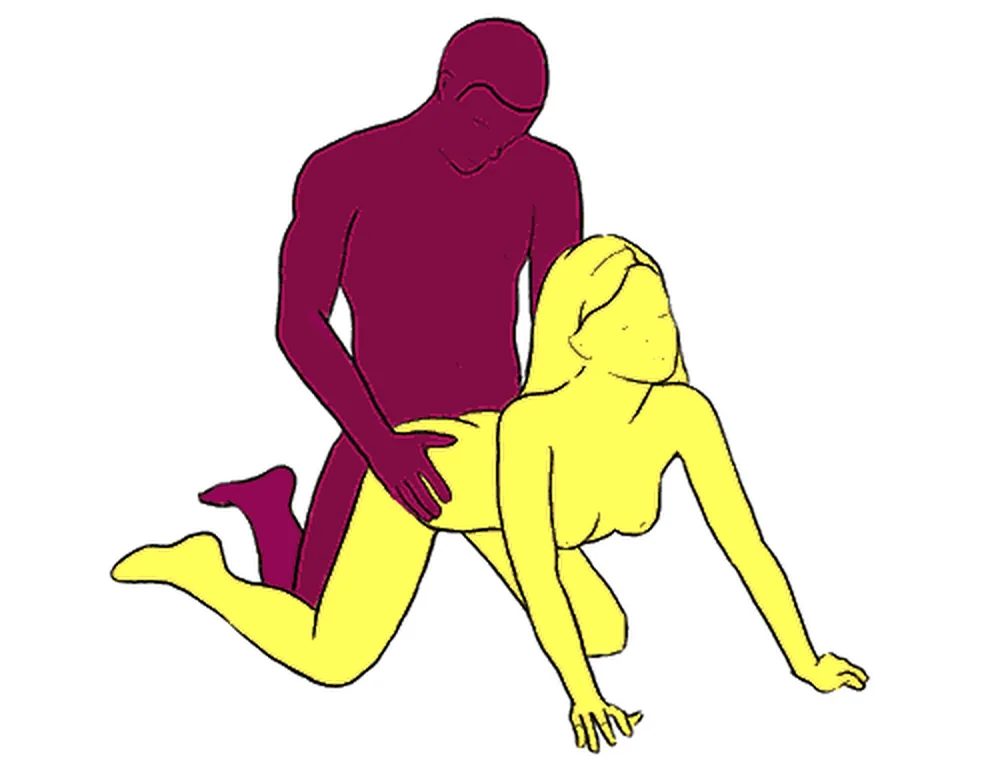 🐕
🐕 Doggy Style
A timeless classic with deep connection and intensity.
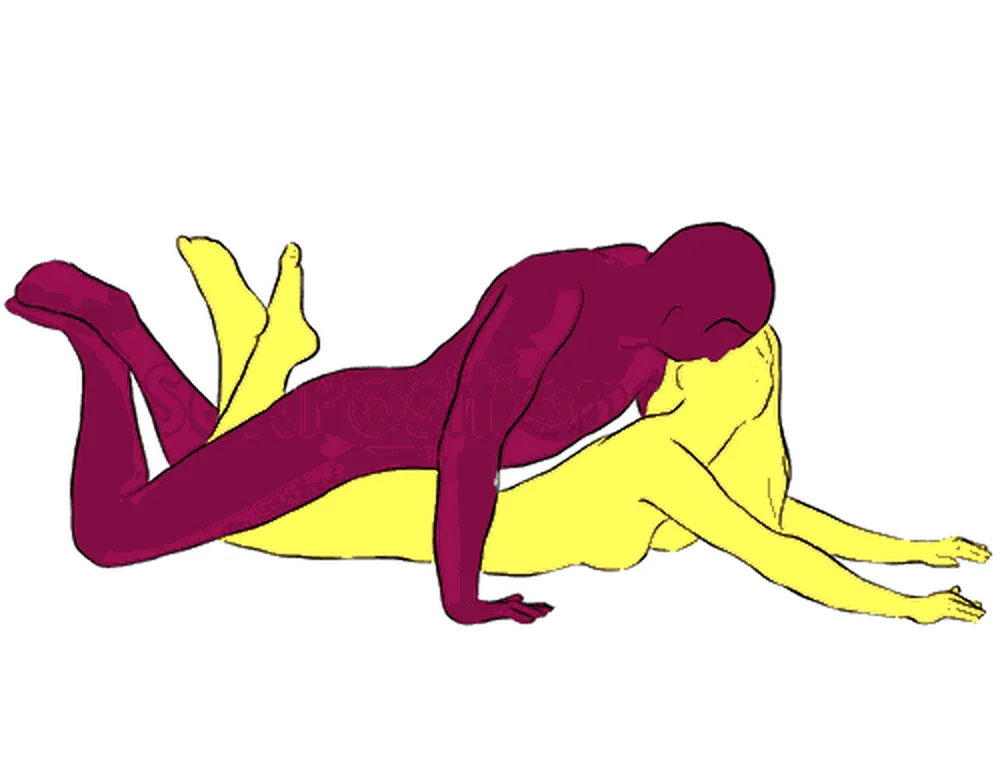 🛋️
🛋️ Prone Bone
A flat, face-down position for deep, grinding sensations.
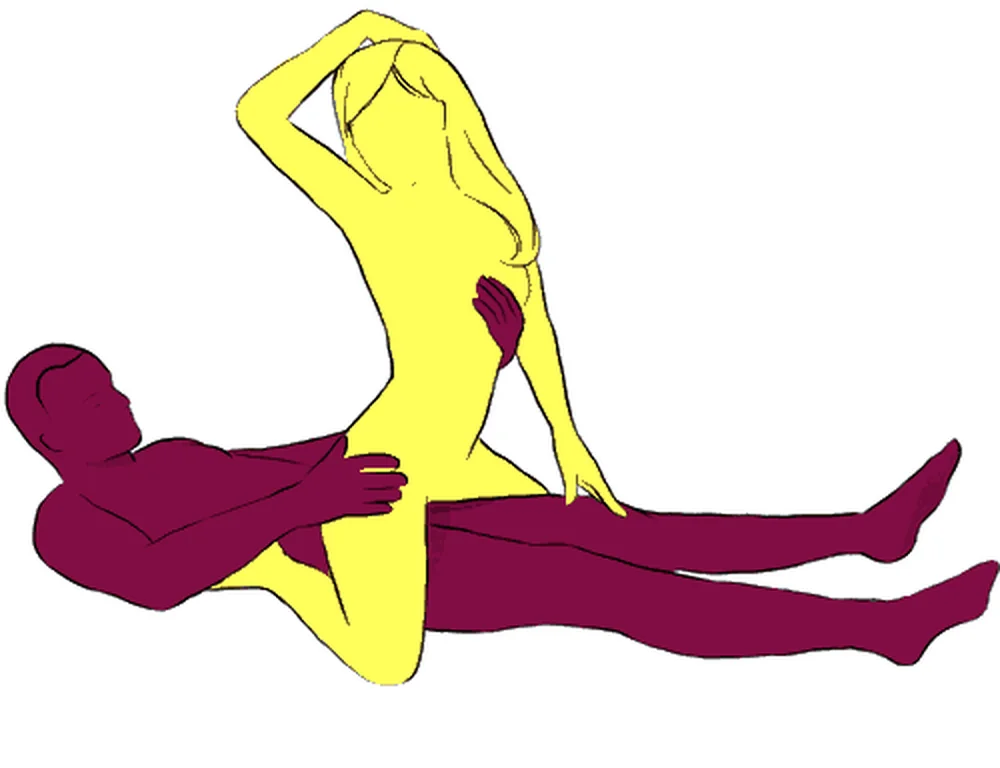 🔄
🔄 Reverse Cowgirl
A fresh angle that brings a new dimension of pleasure.
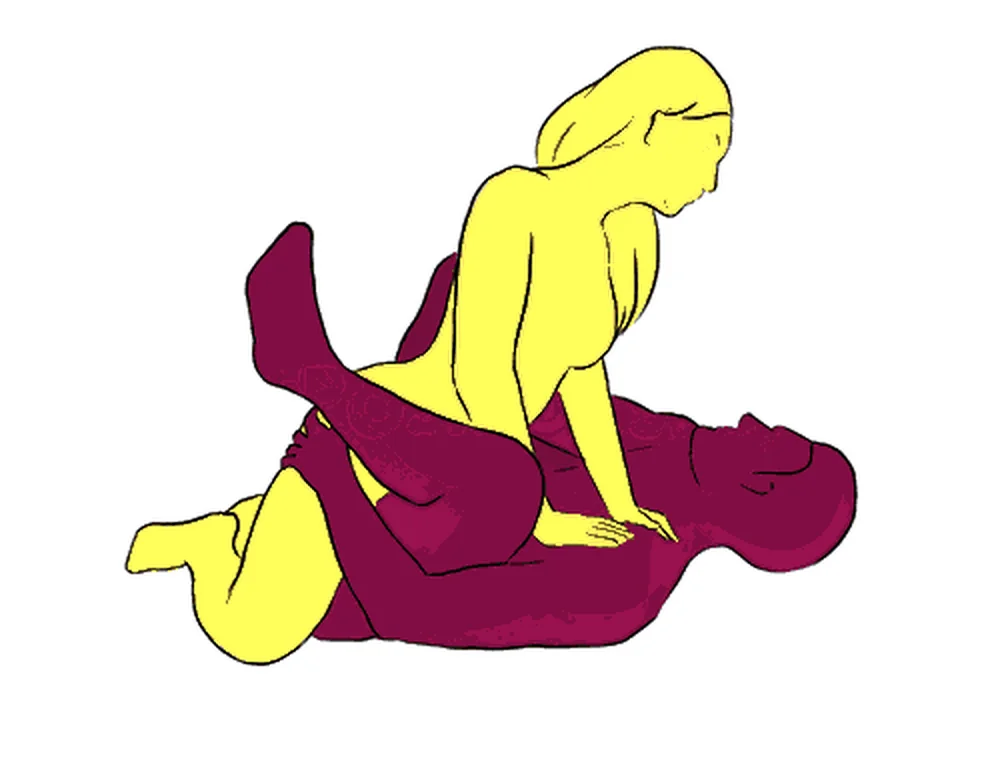 ⚔️
⚔️ Amazon
A powerful, dominant position named after fierce warriors.
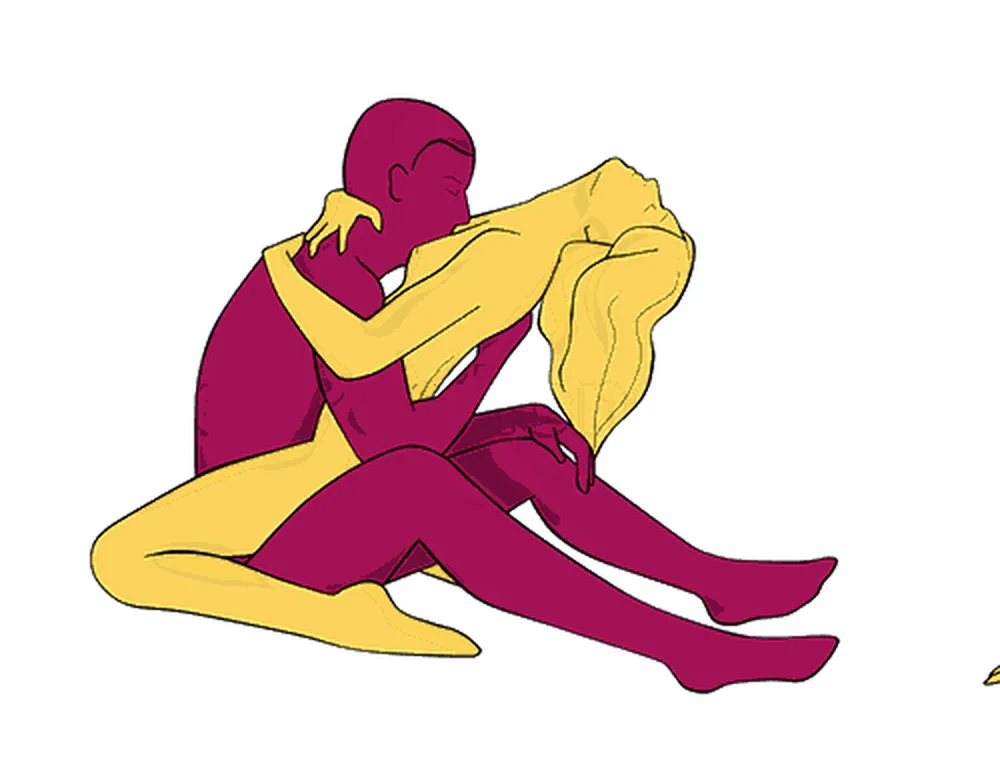 🪷
🪷 Lotus
A meditative, deeply connected seated embrace.
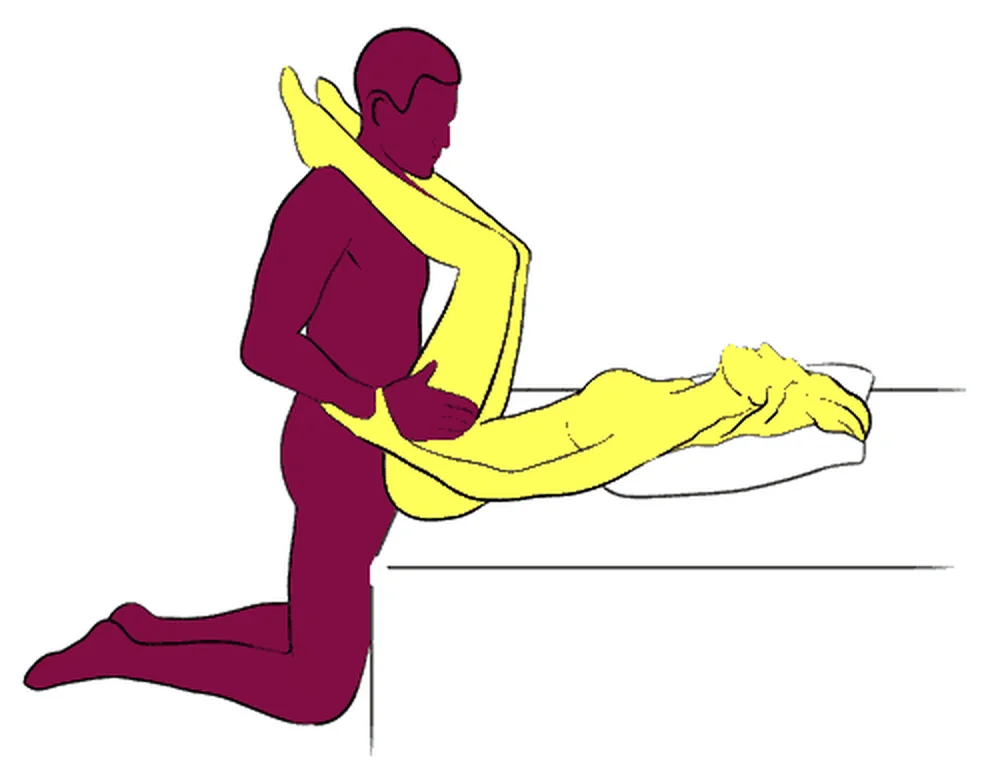 🦋
🦋 Butterfly
Lift the legs for deep penetration and eye contact.
Written by Dr. Sarah Mitchell
Certified Sex Therapist, PhD in Human Sexuality
Reviewed by Dr. James Chen
Board-Certified OB/GYN, 15+ Years Experience
Last reviewed: July 2026 | Content medically verified | Meet our full team
Related Articles
Best Sex Positions for Deep Orgasm: Reach New Heights
Want deeper, more intense orgasms? Discover the best sex positions designed for deep penetration and powerful orgasms, with techniques for maximum sensation.
Position GuideDeep Penetration Positions: Positions for Maximum Depth and Fullness
Discover sex positions that allow for the deepest penetration. Learn which positions create maximum depth, angle, and fullness for intense internal pleasure.
Intimacy GuideDoggie Style Explained: Comfort, Angles & How to Make It More Intimate
Doggie style is a favorite for deep penetration. Learn proper form, angle adjustments for G-spot stimulation, and how to make it emotionally connected.
Comparison GuideDoggy Style vs Missionary: Complete Comparison
Doggy style and missionary are two of the most popular positions worldwide. Compare depth, pleasure, comfort, and intimacy to find your favorite.
Position GuideBest Sex Positions for a Big Penis: Comfortable and Pleasurable Options
Discover sex positions designed for comfort and pleasure when the penetrating partner has a larger penis. Reduce discomfort and maximize satisfaction for both partners.
User Reviews
Rate this position
No reviews yet. Be the first to rate this position!