Equilibrium
A balanced, centered position for harmonious pleasure.
About This Position
Both partners sit facing each other with legs crossed, perfectly balanced. The receiving partner sits on the penetrating partner's lap, and both partners find equilibrium in slow, centered movements that emphasize balance and harmony.
Best For
Anatomy & Physiology
Muscle Groups Involved
- Glutes
- Core
- Hip flexors
- Inner thighs
Angle of Penetration
Straight-on, medium depth with adjustable angle
Targeted Pleasure Zones
Body Contact Points
Step-by-Step Guide
The penetrating partner sits cross-legged on a soft surface, forming a stable, centered base. The receiving partner sits on their lap facing them, also cross-legged, so their legs intertwine with the penetrating partner's.
Both partners find their center of balance — the cross-legged position creates a wide, stable base that allows both partners to feel grounded and centered. The balance is the foundation of the harmony.
Synchronize breathing before any movement — inhale together, exhale together. The centered, balanced position allows for deep, synchronized breathing that creates the harmonious connection.
Begin barely perceptible rocking — the micro-movements should feel like the gentle swaying of a balanced scale. No large movements; just subtle shifts that maintain the centered equilibrium.
Maintain eye contact and feel the energy flow between the balanced bodies. The face-to-face, centered position allows for deep energetic connection that transcends physical sensation.
If balance is lost, simply re-center and continue. The process of finding balance together is part of the harmonious experience — imperfection is natural.
Safety & Precautions
Warnings
- ! Communicate with your partner about comfort throughout.
Modifications
- * Use pillows for support and comfort.
- * Adjust the angle or depth based on your partner's feedback.
Generally safe during pregnancy — adjust depth and pace for comfort.
Medical References & Sources
The information on this page has been reviewed for accuracy by certified health professionals. The following peer-reviewed and authoritative sources were used in developing this guide:
- • Mayo Clinic — Sexual Health
- • American College of Obstetricians and Gynecologists (ACOG) — Sexual Health
- • National Institute of Child Health and Human Development (NICHD)
- • Cleveland Clinic — Sexual Health
- • Healthline — Healthy Sex & Relationships
Health Disclaimer: Always consult a healthcare professional before trying new positions, especially if you have back pain, joint issues, are pregnant, or have any medical condition. Stop immediately if you experience pain.
Pros
- + Perfectly balanced and centered
- + Great for synchronized breathing
- + Maximum face-to-face connection
Cons
- - Requires balance and core strength
- - Limited movement
Tips
- * Focus on breathing together in sync
- * Find the center of balance before moving
Common Mistakes to Avoid
Even with the right technique, small errors can reduce pleasure or increase injury risk. Here are the most common mistakes couples make with the Equilibrium position:
Not finding balance before beginning
The Equilibrium requires both partners to be balanced before movement starts. If either partner is wobbling, leaning, or unstable, the harmonious quality is lost. Take time to find the center before moving.
Moving too much from the centered position
Large movements break the balance and the centered quality. The Equilibrium rewards micro-movements — barely perceptible shifts that maintain the equilibrium rather than disrupting it.
Cross-legged position causing knee pain
Not everyone can sit cross-legged comfortably. If knee pain occurs, adjust to a half-lotus, seated with legs dangling, or kneeling. The principle (centered, balanced) matters more than the exact leg position.
Forgetting the synchronized breathing
The centered, balanced position is designed for synchronized breathing. Without it, this becomes just another seated position. The breathing is what creates the harmonious, centered connection.
Variations to Try
Once you've mastered the basic Equilibrium, these variations can add new sensations and keep things exciting:
Add a Pillow
Place a pillow under the receiving partner's hips to change the angle of penetration and enhance stimulation.
Incorporate Manual Stimulation
Use hands to add clitoral or other external stimulation during the position for enhanced pleasure.
Slow Down the Pace
Switch from thrusting to grinding for a more intimate, sensation-focused experience.
Try Different Surfaces
Move from the bed to a couch, standing, or against a wall for different angles and experiences.
Related Positions
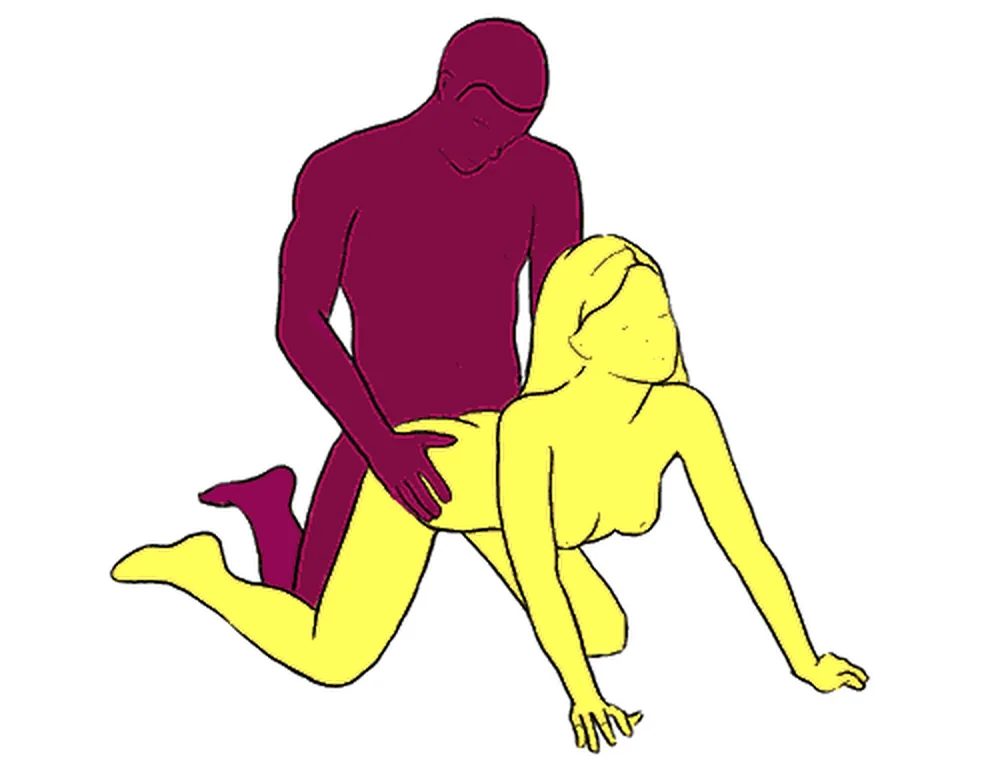 🐕
🐕 Doggy Style
A timeless classic with deep connection and intensity.
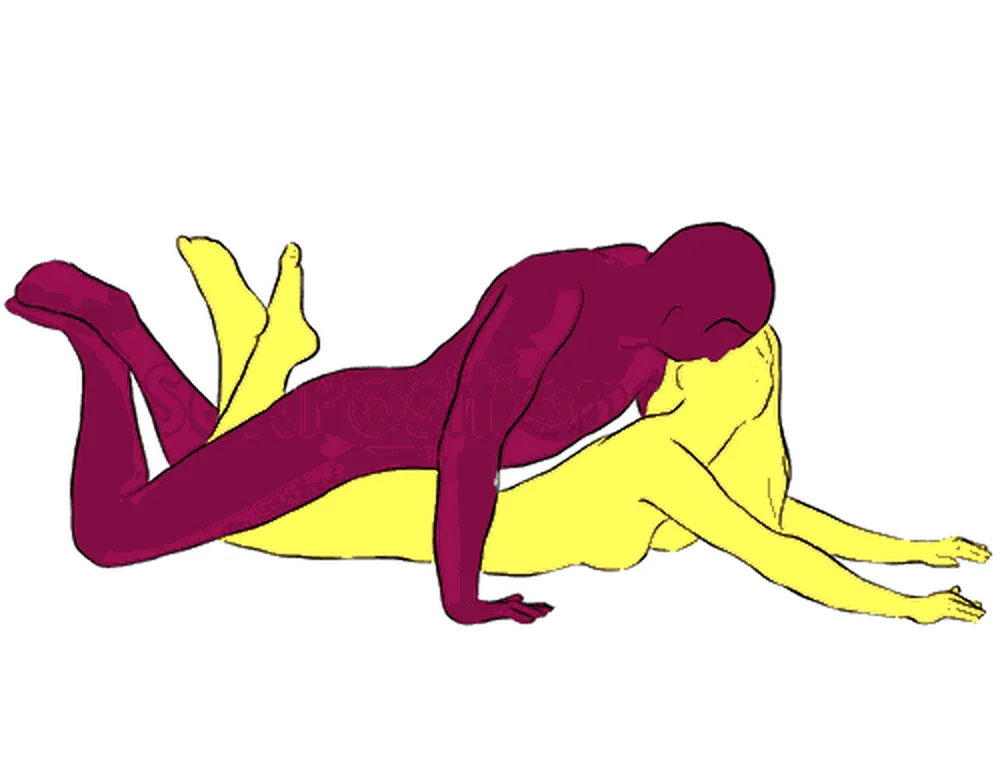 🛋️
🛋️ Prone Bone
A flat, face-down position for deep, grinding sensations.
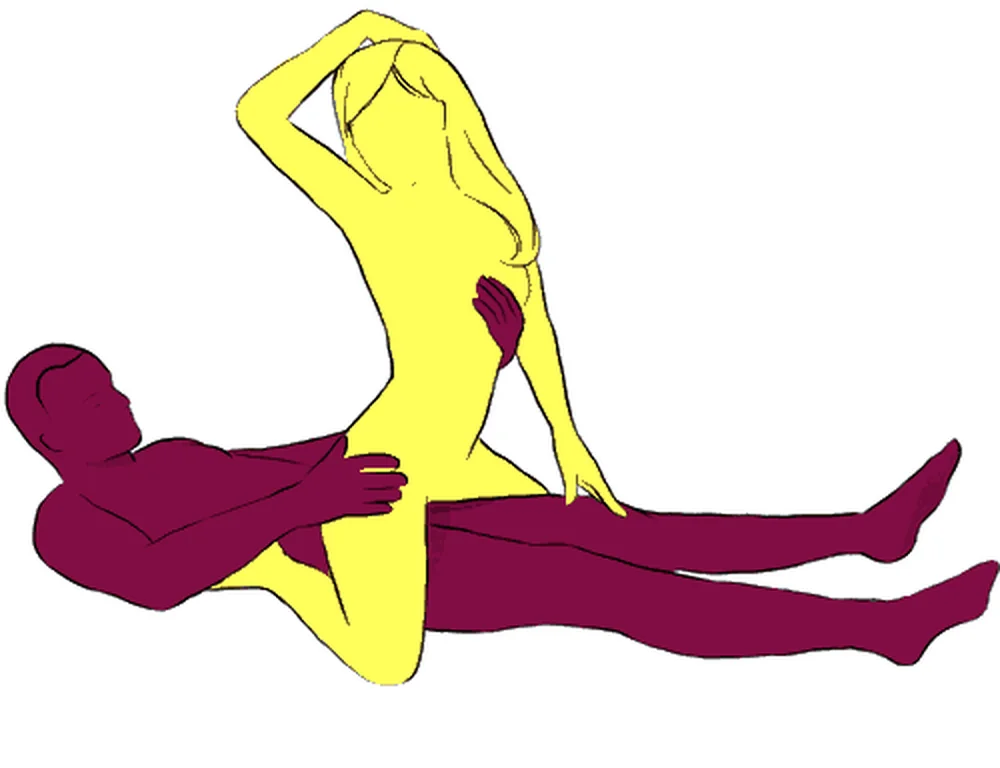 🔄
🔄 Reverse Cowgirl
A fresh angle that brings a new dimension of pleasure.
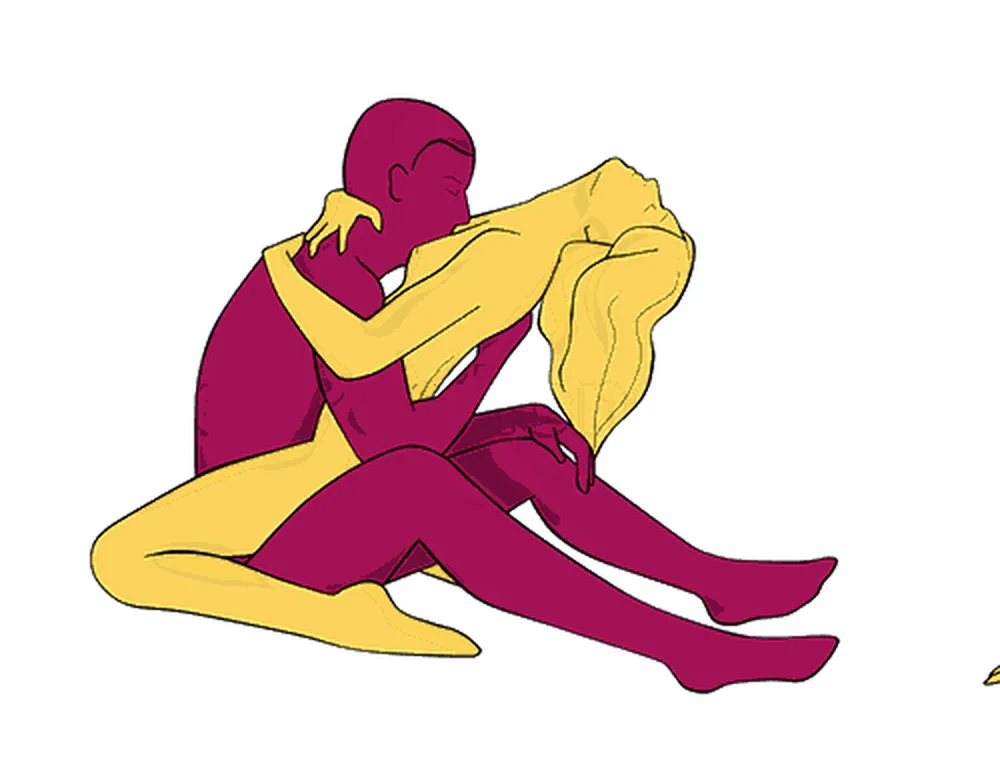 🪷
🪷 Lotus
A meditative, deeply connected seated embrace.
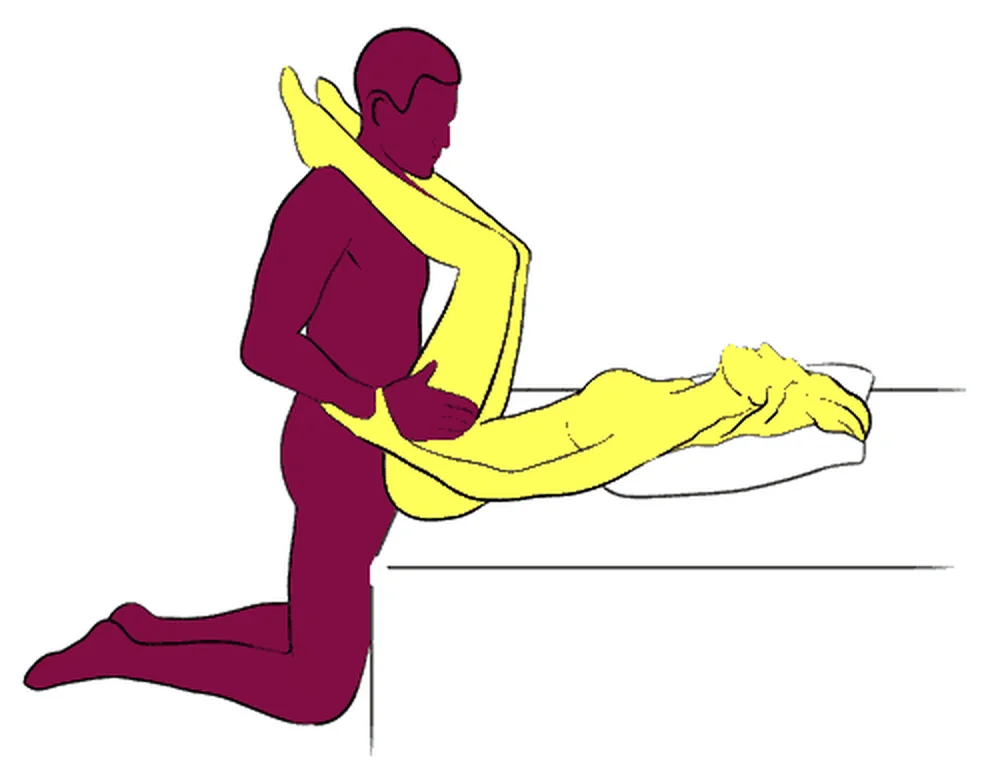 🦋
🦋 Butterfly
Lift the legs for deep penetration and eye contact.
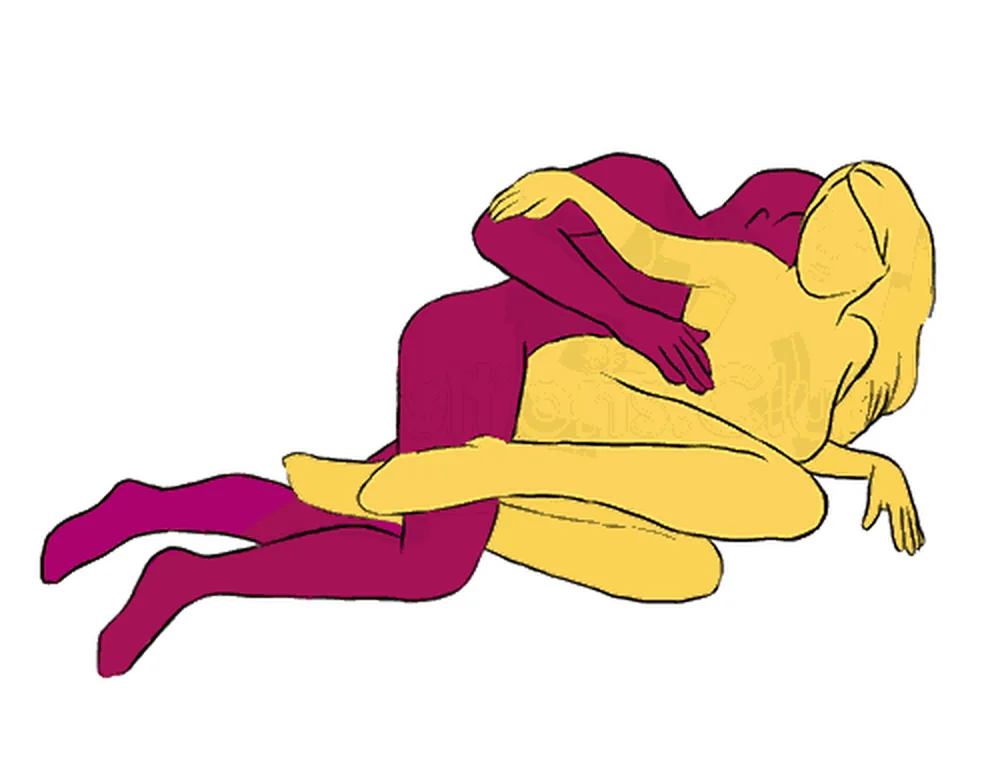 🥄
🥄 Spooning
Cuddle close with this gentle, sensual side position.
Written by Dr. Sarah Mitchell
Certified Sex Therapist, PhD in Human Sexuality
Reviewed by Dr. James Chen
Board-Certified OB/GYN, 15+ Years Experience
Last reviewed: July 2026 | Content medically verified | Meet our full team
User Reviews
Rate this position
No reviews yet. Be the first to rate this position!