Resuming Sex After Pregnancy: A Complete Guide to Recovery and Intimacy
Learn when and how to resume sex after pregnancy. A comprehensive guide to postpartum intimacy, healing, pelvic floor recovery, and reconnecting with your partner.
Resuming sex after pregnancy requires patience, understanding, and open communication. Your body has been through significant changes, and it’s important to give yourself time to heal before returning to sexual activity.
“Every woman’s recovery after childbirth is different. There’s no ‘right’ timeline for resuming sex — the key is listening to your body, communicating with your partner, and waiting for your healthcare provider’s clearance. With patience and the right approach, most couples return to satisfying intimacy.” — Dr. James Chen, Board-Certified OB/GYN
Research published in The Journal of Obstetric, Gynecologic & Neonatal Nursing (2021) found that 83% of women experience some difficulty resuming sex after pregnancy, but 95% report that with patience and communication, they eventually return to satisfying sexual activity. A separate study in The Journal of Sexual Medicine (2020) found that women who followed a gradual recovery plan reported 40% less pain and higher satisfaction when they resumed intercourse.
Week-by-Week Recovery Timeline
Understanding what to expect each week helps you prepare for恢复正常性生活:
Weeks 1-2: Immediate Postpartum
- Physical state: Vaginal soreness, bleeding (lochia), possible episiotomy or tearing
- Hormonal state: Estrogen and progesterone drop dramatically; prolactin rises if breastfeeding
- Sexual activity: No penetration; focus on rest and healing
- Intimacy options: Hand-holding, cuddling, gentle massage, verbal affection
Weeks 3-4: Early Healing
- Physical state: Bleeding decreases, stitches dissolve, soreness reduces
- Hormonal state: Hormones continue fluctuating; breastfeeding may cause vaginal dryness
- Sexual activity: Still no penetration; light non-penetrative touch may be comfortable
- Intimacy options: Kissing, bathing together, gentle touching, emotional connection
Weeks 5-6: Medical Clearance Window
- Physical state: Most women receive clearance from healthcare provider at 6-week checkup
- Hormonal state: Hormones stabilizing; breastfeeding may suppress estrogen further
- Sexual activity: May begin gentle intercourse if cleared and comfortable
- Intimacy options: All non-penetrative options plus gentle penetration if desired
Weeks 7-12: Gradual Return
- Physical state: Body continues healing; pelvic floor recovering
- Hormonal state: Gradual hormonal recovery; breastfeeding affects vaginal moisture
- Sexual activity: Slowly increase frequency and variety as comfort allows
- Intimacy options: Explore different positions, add lubricant, communicate constantly
Months 3-6: Full Recovery
- Physical state: Most women feel fully recovered by 3-6 months
- Hormonal state: Hormones normalizing (may take longer if exclusively breastfeeding)
- Sexual activity: Return to pre-pregnancy activity levels if desired
- Intimacy options: Full range of positions and activities
Pelvic Floor Recovery
Why Pelvic Floor Matters
The pelvic floor muscles support your bladder, uterus, and bowels. During pregnancy and childbirth, these muscles stretch and may weaken, affecting:
- Bladder control (stress incontinence)
- Sexual sensation and orgasm intensity
- Core stability and back support
- Pelvic organ support
Kegel Exercises: Your Recovery Foundation
How to Find Your Pelvic Floor Muscles:
- Imagine you’re trying to stop the flow of urine mid-stream
- The muscles you squeeze are your pelvic floor muscles
- You should feel a lifting and squeezing sensation
- If you’re unsure, consult a pelvic floor physical therapist
Basic Kegel Routine:
- Squeeze and hold for 5 seconds
- Release completely for 5 seconds
- Repeat 10 times
- Do 3 sets daily (morning, afternoon, evening)
Progressive Kegel Routine (Weeks 4-8):
- Squeeze and hold for 8 seconds
- Release for 8 seconds
- Repeat 10 times
- Do 3 sets daily
Advanced Kegel Routine (Weeks 8-12):
- Squeeze and hold for 10 seconds
- Release for 10 seconds
- Repeat 10 times
- Do 3 sets daily
- Add “quick flick” squeezes: rapid squeeze-release 10 times
Professional Pelvic Floor Support
Consider seeing a pelvic floor physical therapist if you experience:
- Persistent incontinence (leaking urine when coughing, sneezing, or laughing)
- Pain during intercourse that doesn’t improve with time
- A feeling of heaviness or pressure in the pelvis
- Difficulty activating pelvic floor muscles
- Diastasis recti (abdominal muscle separation)
A pelvic floor therapist can provide:
- Personalized exercise programs
- Manual therapy to release tension
- Biofeedback training
- Electrical stimulation if needed
- Progressive dilator therapy for vaginal tightness
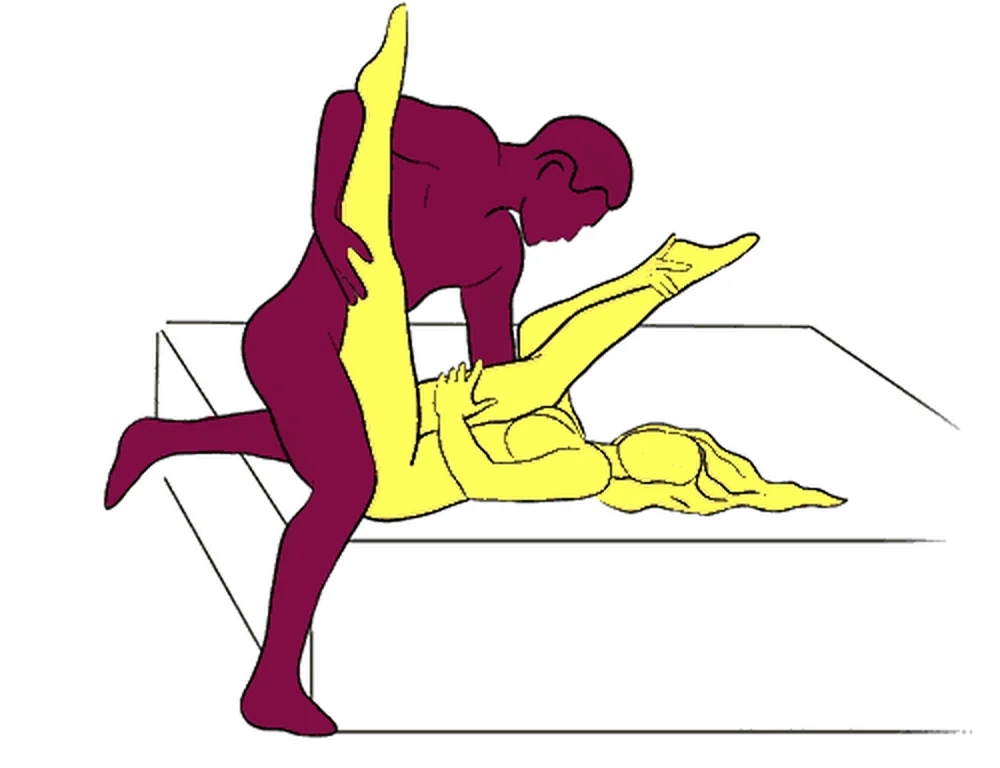
Best Positions for Postpartum Sex
1. Spooning (Side-Lying)
Why it works: Minimal pressure on abdomen, easy to control depth, comfortable for healing tissues
Instructions:
- Both partners lie on sides facing same direction
- Use pillow between knees for support
- Receiving partner controls depth by adjusting hip angle
- Start slowly and communicate about comfort
2. Woman on Top (Modified)
Why it works: Full control over depth, pace, and angle; no pressure on abdomen
Instructions:
- Penetrating partner lies on back
- Receiving partner straddles hips
- Use hands on chest or bed for balance
- Start with shallow penetration and adjust as comfortable
- Lean back for different angles
3. Modified Missionary
Why it works: Face-to-face intimacy, easy communication, comfortable with pillow support
Instructions:
- Receiving partner lies on back with pillow under hips
- Penetrating partner supports weight on arms
- Start with shallow penetration
- Adjust angle with pillow positioning
- Communicate throughout about comfort and depth
Emotional and Psychological Aspects
Common Emotional Challenges
Body Image Concerns: Your body has changed significantly. Stretch marks, sagging skin, wider hips, and a softer belly are all normal. Remember that your body just did something extraordinary — it grew and birthed a human being.
Anxiety About Pain: Fear of discomfort during sex is natural after experiencing the pain of childbirth. Start slowly, use plenty of lubricant, and communicate openly with your partner.
Exhaustion: New parent fatigue is real and affects desire. Sleep deprivation lowers libido and makes sex feel like another task. Focus on rest when you can, and accept that intimacy may look different for a while.
Identity Changes: Adjusting to being a parent shifts your sense of self. You’re now responsible for a tiny human, and that mental load affects your ability to relax into intimacy.
Relationship Changes: Your dynamic with your partner has shifted. You’re now co-parents, which adds complexity to your relationship. Make time for your partnership alongside your parenting.
How to Prepare Emotionally
- Talk openly with your partner about your feelings and fears
- Be patient with yourself — recovery isn’t linear
- Focus on connection, not performance
- Seek support if needed (therapist, support group, trusted friends)
- Celebrate small victories in your recovery journey
Communication Tips for Postpartum Intimacy
Before Reintroducing Sex
Discuss with your partner:
- Your fears and concerns about pain or discomfort
- What you’re comfortable with and what you want to explore
- How your partner can support you during recovery
- Your healthcare provider’s recommendations
- Expectations for the first time back
During Intimacy
Communication strategies:
- Use simple, clear language: “That feels good” or “Let’s try something different”
- Establish a safe word or signal for stopping immediately
- Check in with each other regularly: “How does this feel?”
- Don’t be afraid to laugh — awkward moments are normal and human
- Focus on pleasure, not performance
After Intimacy
Post-sex connection:
- Cuddle and talk about the experience
- Reassure each other about the pregnancy and recovery
- Discuss what worked and what didn’t for next time
- Express gratitude and love
- Address any concerns or discomfort openly
Common Concerns and Solutions
”Sex is painful”
Causes:
- Hormonal changes (especially if breastfeeding, which suppresses estrogen)
- Tearing or episiotomy healing
- Vaginal dryness from hormonal shifts
- Muscle tension from anxiety
- Pelvic floor weakness
Solutions:
- Use water-based lubricant generously
- Go slowly and communicate about pain levels
- Try different positions that allow depth control
- Practice pelvic floor exercises to strengthen muscles
- Consider vaginal estrogen (discuss with your doctor)
- Consult a pelvic floor therapist if pain persists
”I have no desire”
Factors affecting desire:
- Hormonal changes (especially prolactin from breastfeeding)
- Exhaustion from caring for a newborn
- Body image concerns
- Stress and anxiety about parenting
- Changes in relationship dynamics
- Feeling “touched out” from constant baby contact
Solutions:
- Be patient with yourself — desire often returns gradually
- Focus on non-sexual intimacy first (cuddling, massage, kissing)
- Communicate with your partner about your needs
- Accept help with baby care to get rest
- Seek support if depression or anxiety is affecting you
- Remember that desire can be responsive (it may come after intimacy starts, not before)
“My body looks different”
Reframe your perspective:
- Your body just did something extraordinary — it grew and birthed a human
- It takes time to heal and recover — be patient with the process
- Focus on what your body can do, not how it looks
- Communicate with your partner about body image concerns
- Most partners find their partner’s postpartum body beautiful and attractive
”I’m afraid of getting pregnant again”
Contraception options:
- Discuss contraception with your healthcare provider before resuming sex
- Breastfeeding is not a reliable form of birth control
- Consider long-acting reversible contraception (IUD, implant) if you’re not ready for another pregnancy
- Condoms protect against both pregnancy and infection
When to Seek Professional Help
Consult a healthcare provider or counselor if you experience:
- Persistent pain during sex that doesn’t improve with time and lubrication
- No desire for intimacy after several months postpartum
- Emotional distress about sex or your body
- Relationship difficulties related to the postpartum period
- Signs of postpartum depression (persistent sadness, hopelessness, difficulty bonding with baby)
- Incontinence that doesn’t improve with pelvic floor exercises
Reconnecting with Your Partner Beyond Sex
Non-Sexual Intimacy Practices
Intimacy isn’t just about sex. Focus on:
- Physical touch: Cuddling, holding hands, massage, bath together
- Emotional connection: Talking about your day, sharing feelings, dreaming together
- Quality time: Date nights (even at-home ones), shared activities, laughter
- Affection: Kisses, hugs, kind words, appreciation
Building a New Normal
Your relationship has changed — embrace the new normal:
- Be patient with each other as you adjust to parenthood
- Communicate openly about needs, desires, and boundaries
- Find new ways to connect in your new reality
- Seek support if needed (couples counseling, parent support groups)
- Remember that your partnership matters — your baby benefits from happy parents
Frequently Asked Questions
How long should I wait to have sex after giving birth?
Most healthcare providers recommend waiting at least 6 weeks after vaginal delivery and 8 weeks after cesarean section. However, always wait for your doctor’s clearance, as every woman’s healing process is different. Some women feel ready at 6 weeks; others need several months. Both are normal.
Is it normal for sex to be painful after pregnancy?
Yes, it’s very common. Hormonal changes (especially if breastfeeding), tearing or episiotomy healing, and vaginal dryness can all cause discomfort. Using lubricant, going slowly, and communicating with your partner can help. If pain persists beyond a few months, consult your healthcare provider or a pelvic floor therapist.
Will my sex life ever be the same?
For most women, yes. With time, patience, and communication, most couples return to satisfying sexual activity. Some women even report that sex becomes more meaningful after having a child. The key is gradual recovery, open communication, and focusing on connection over performance.
What if I have no desire after pregnancy?
This is completely normal. Exhaustion, hormonal changes, body image concerns, and the demands of new parenthood all affect desire. Focus on non-sexual intimacy, be patient, and communicate with your partner. Desire typically returns as healing progresses. If low desire persists, consult your healthcare provider.
Can I get pregnant again while breastfeeding?
Yes. While breastfeeding can suppress ovulation, it’s not a reliable form of contraception. The “lactational amenorrhea method” only works if you’re exclusively breastfeeding, your baby is under 6 months old, and you haven’t gotten your period back. Consult your healthcare provider about contraception options if you’re not ready for another pregnancy.
How do I talk to my partner about my concerns?
Choose a relaxed moment outside the bedroom and be honest about your feelings. Use “I” statements: “I’m feeling anxious about…” or “I need more time to…” Most partners are understanding when they understand what you’re experiencing. Consider reading our guide on sexual communication tips for more strategies.
When should I see a pelvic floor therapist?
Consider seeing a pelvic floor therapist if you experience persistent incontinence, pain during intercourse, a feeling of pelvic heaviness, or difficulty with Kegel exercises. A therapist can provide personalized treatment and accelerate your recovery.
Related Reading
- Sex During Pregnancy Guide — Intimacy throughout pregnancy
- Pregnancy Sex Safety — Comprehensive safety guidelines
- Pelvic Floor Exercises — Strengthen supporting muscles
- Pain During Sex Guide — Causes and solutions
- Building Sexual Confidence — Postpartum body confidence
- Sexual Communication Tips — Talking about intimacy
- Rebuilding Intimacy — Reconnecting after distance
- Sensual Massage Guide — Non-penetrative intimacy
Written by
CoupleSexPosition
Expert Verified
Reviewed by certified health professionals for accuracy and safety.
Meet Our Experts