Overturned
An overturned position with the receiver flipped over.
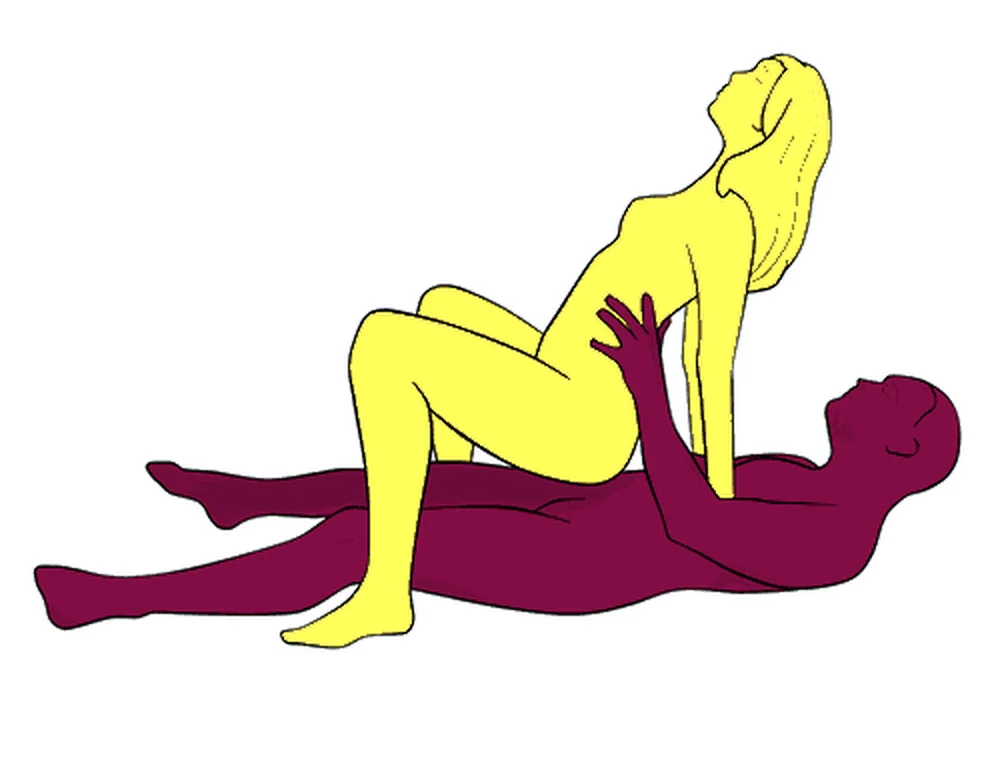
About This Position
The receiving partner lies face down with their upper body hanging off the bed edge while the penetrating partner enters from behind. The overturned position changes blood flow and creates a unique, thrilling experience.
Best For
Anatomy & Physiology
Muscle Groups Involved
- Glutes
- Lower back
- Hamstrings
- Inner thighs
Angle of Penetration
Slightly downward, deep penetration with full body contact
Targeted Pleasure Zones
Body Contact Points
Step-by-Step Guide
The receiving partner lies face down on a firm bed with their upper body (chest, shoulders, and head) hanging off the edge of the bed. The hips and legs remain on the bed surface — this inversion creates blood flow to the head that intensifies sensation.
The receiving partner supports their weight on their forearms or hands on the floor beneath them. A pillow or folded blanket on the floor provides comfort for the arms and head during the inverted position.
The penetrating partner kneels behind the receiving partner on the bed, aligning their pelvis with the receiving partner's elevated hips. The prone position with hanging upper body creates a steep downward angle from the rear.
Enter slowly from behind — the overturned angle deepens the entry path significantly because the inverted torso opens the pelvic floor. The receiving partner's face-down position compresses the anterior vaginal wall against the penetrating partner's anatomy.
Use controlled, deliberate thrusts — the blood rushing to the receiving partner's head creates a head-rush sensation that amplifies pleasure but also increases dizziness risk. Slow, measured movements are essential.
Keep the position to 2-3 minutes maximum. The sustained inversion can cause blood pressure changes, dizziness, and nausea. The receiving partner should signal immediately if they feel lightheaded.
To exit, the penetrating partner withdraws first, then helps the receiving partner slowly sit up before standing. Rising too fast from the inverted position can cause fainting — have the receiving partner sit on the bed for a minute to equalize blood flow.
Safety & Precautions
Warnings
- ! Requires significant strength and balance from one or both partners.
- ! Keep sessions brief to avoid fatigue.
Modifications
- * Start with simpler variations and progress gradually.
- * Use a soft surface for safety.
Not recommended during pregnancy — the position may be uncomfortable or unsafe.
Medical References & Sources
The information on this page has been reviewed for accuracy by certified health professionals. The following peer-reviewed and authoritative sources were used in developing this guide:
- • Mayo Clinic — Sexual Health
- • American College of Obstetricians and Gynecologists (ACOG) — Sexual Health
- • National Institute of Child Health and Human Development (NICHD)
- • Cleveland Clinic — Sexual Health
- • Healthline — Healthy Sex & Relationships
Health Disclaimer: Always consult a healthcare professional before trying new positions, especially if you have back pain, joint issues, are pregnant, or have any medical condition. Stop immediately if you experience pain.
Pros
- + Unique angle from being overturned
- + Blood flow to the head intensifies sensations
- + Very deep penetration
Cons
- - Can cause dizziness
- - Not suitable for everyone
- - Should be kept brief
Tips
- * Keep the position brief to avoid dizziness
- * Have water nearby
Common Mistakes to Avoid
Even with the right technique, small errors can reduce pleasure or increase injury risk. Here are the most common mistakes couples make with the Overturned position:
Keeping the position too long
The inversion causes blood to pool in the head, and sustained inversion beyond 3-4 minutes risks dizziness, nausea, or fainting. This is a short-burst position, not a sustained one. Set a mental timer and exit before discomfort starts.
Upper body hanging too far off the bed
If the receiving partner slides too far off, the angle becomes extreme and the neck/head bears too much weight. The hips should remain firmly on the bed with only the chest and shoulders hanging off — not the entire torso.
Not preparing the floor area
The receiving partner's head and arms are near or on the floor. Hard, cold, or cluttered floor surfaces make the position uncomfortable or dangerous. Place a pillow or blanket on the floor before starting.
Thrusting fast in the inverted position
The inverted angle combined with fast thrusting creates intense internal pressure that can be overwhelming. The blood-flow amplification from the inversion means sensations are already heightened — fast thrusting on top of that can cause pain or oversensitivity.
Variations to Try
Once you've mastered the basic Overturned, these variations can add new sensations and keep things exciting:
Add a Pillow
Place a pillow under the receiving partner's hips to change the angle of penetration and enhance stimulation.
Incorporate Manual Stimulation
Use hands to add clitoral or other external stimulation during the position for enhanced pleasure.
Slow Down the Pace
Switch from thrusting to grinding for a more intimate, sensation-focused experience.
Try Different Surfaces
Move from the bed to a couch, standing, or against a wall for different angles and experiences.
Related Positions
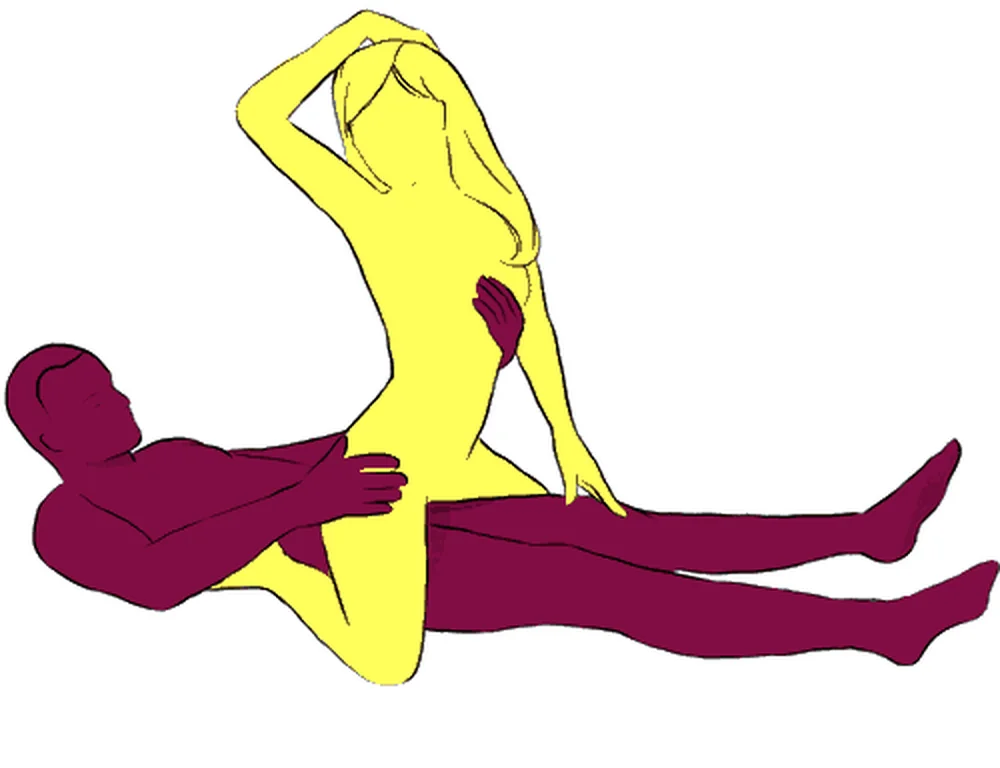 🔄
🔄 Reverse Cowgirl
A fresh angle that brings a new dimension of pleasure.
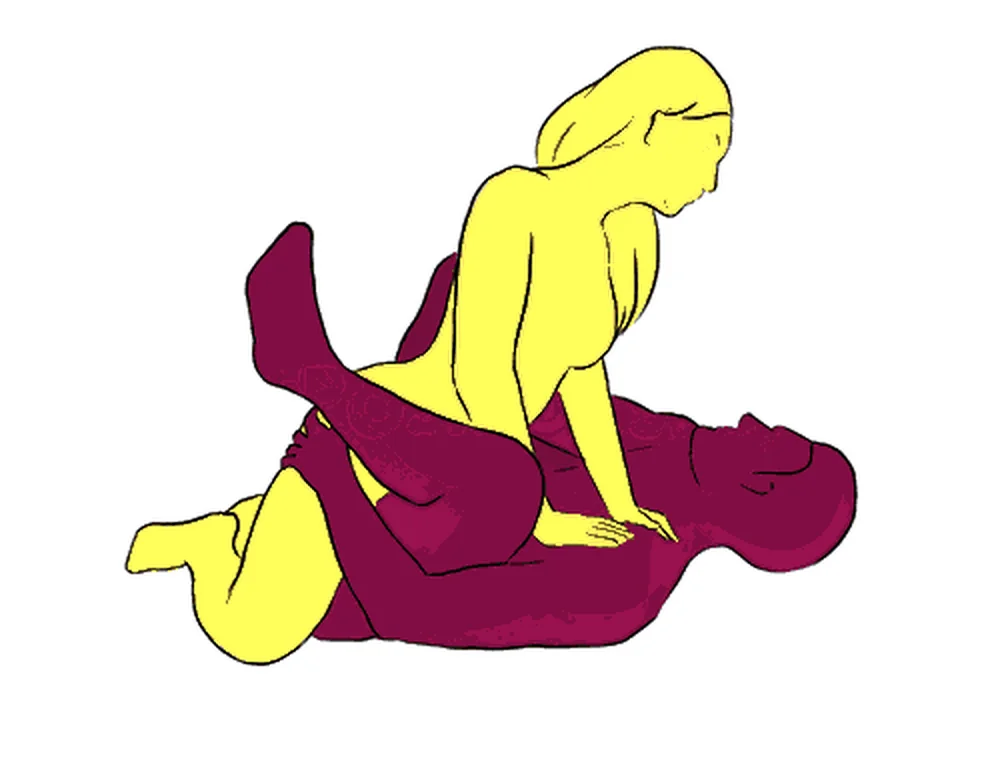 ⚔️
⚔️ Amazon
A powerful, dominant position named after fierce warriors.
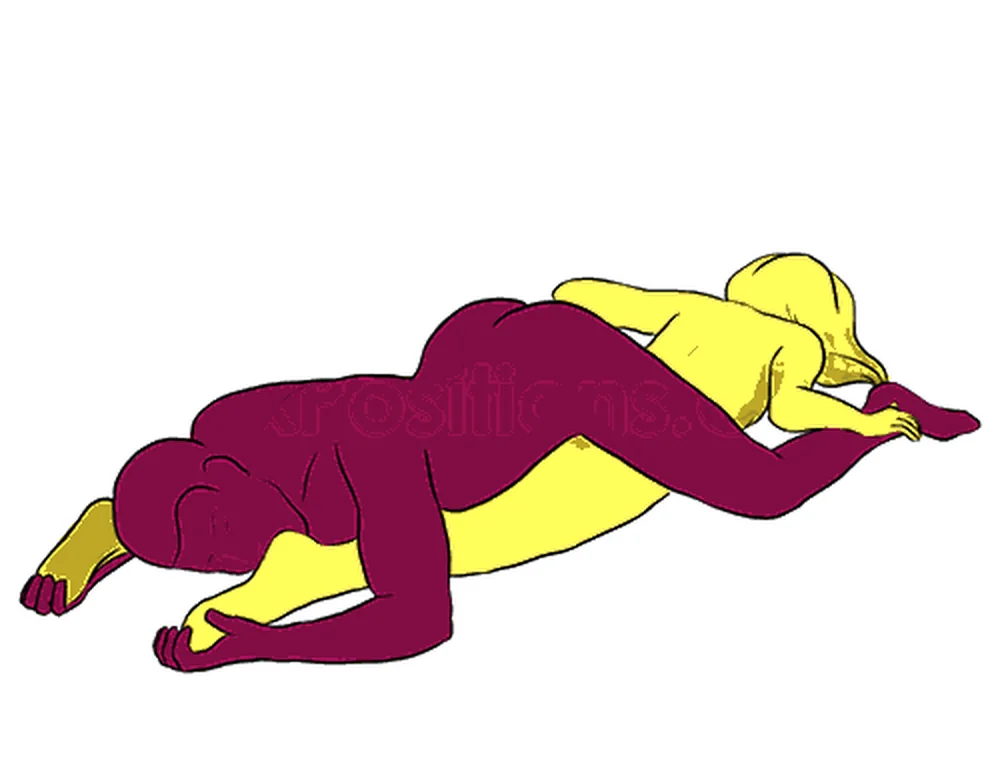 🚁
🚁 Helicopter
A spinning, dynamic position for adventurous couples.
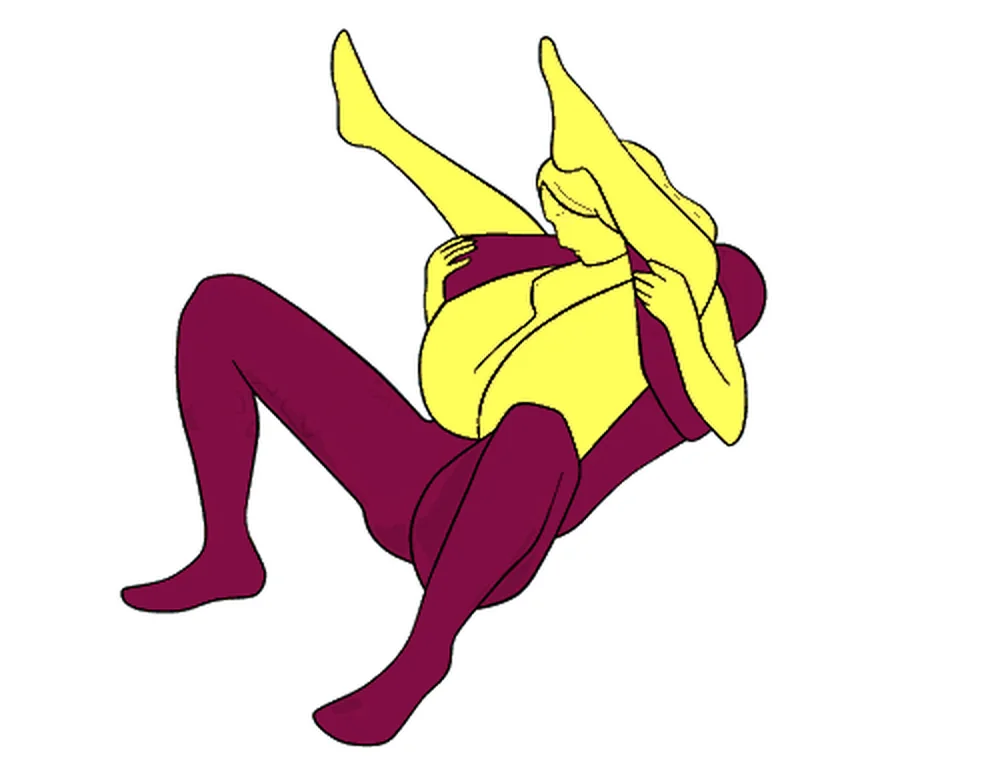 🤼
🤼 Full Nelson
A restraining position with arms held behind the head.
 PILE
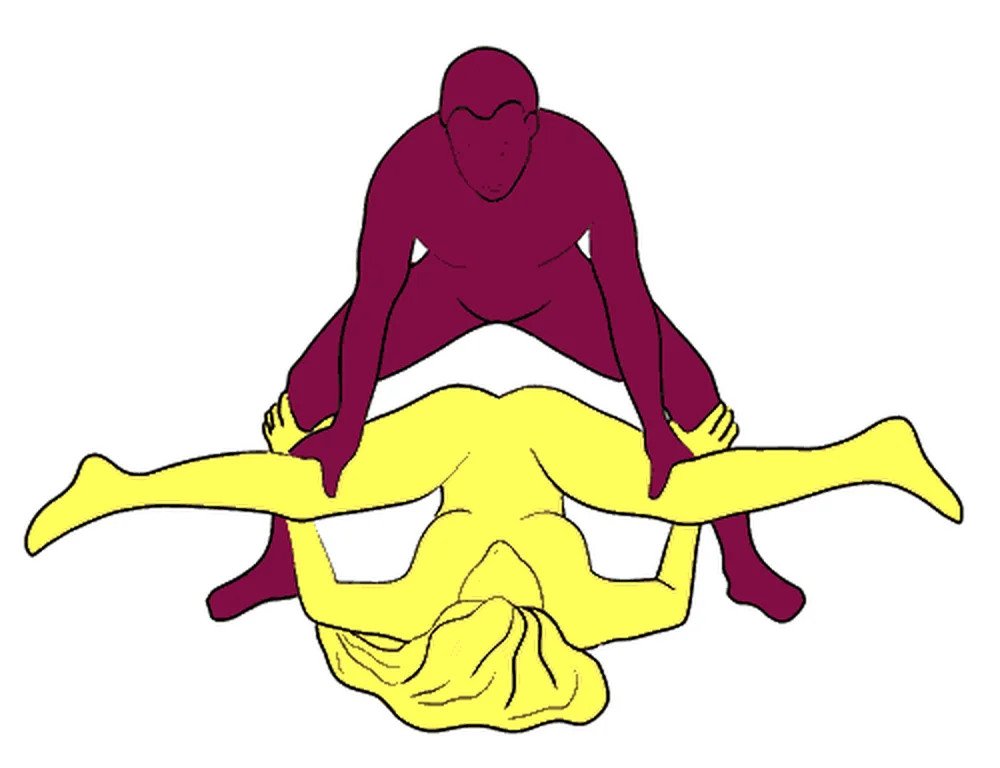
PILE Piledriver
An extreme position with legs pushed back for maximum depth.
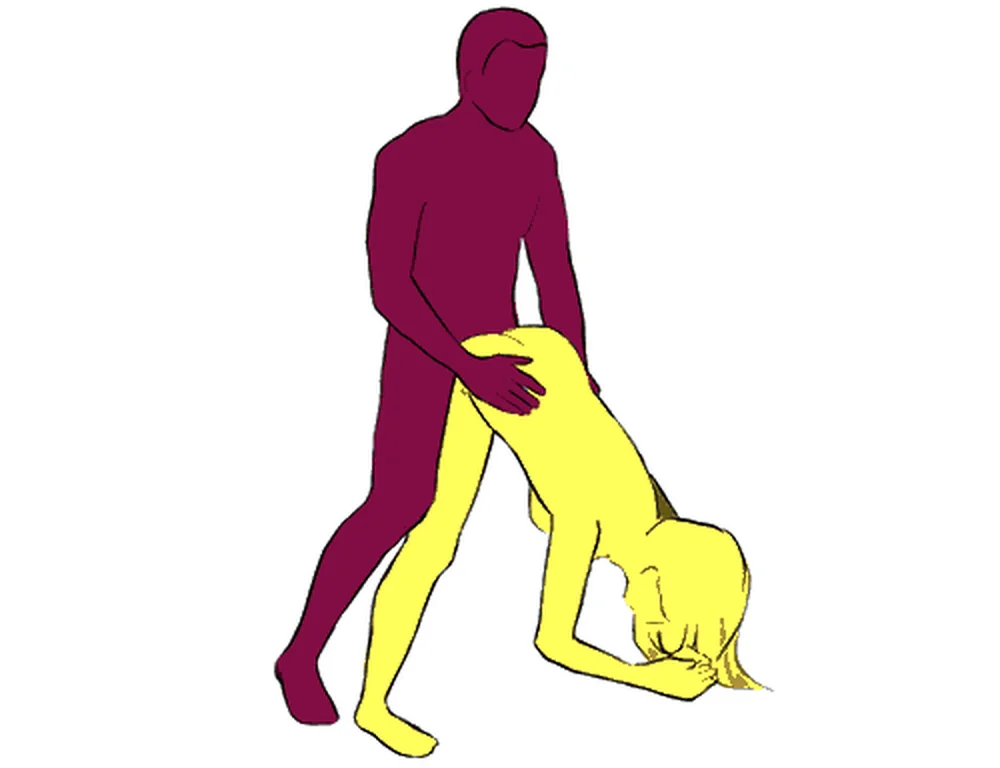 🗼
🗼 Eiffel Tower
A three-person position with DP and oral stimulation.
Written by Dr. Sarah Mitchell
Certified Sex Therapist, PhD in Human Sexuality
Reviewed by Dr. James Chen
Board-Certified OB/GYN, 15+ Years Experience
Last reviewed: July 2026 | Content medically verified | Meet our full team
User Reviews
Rate this position
No reviews yet. Be the first to rate this position!