Slow Dance
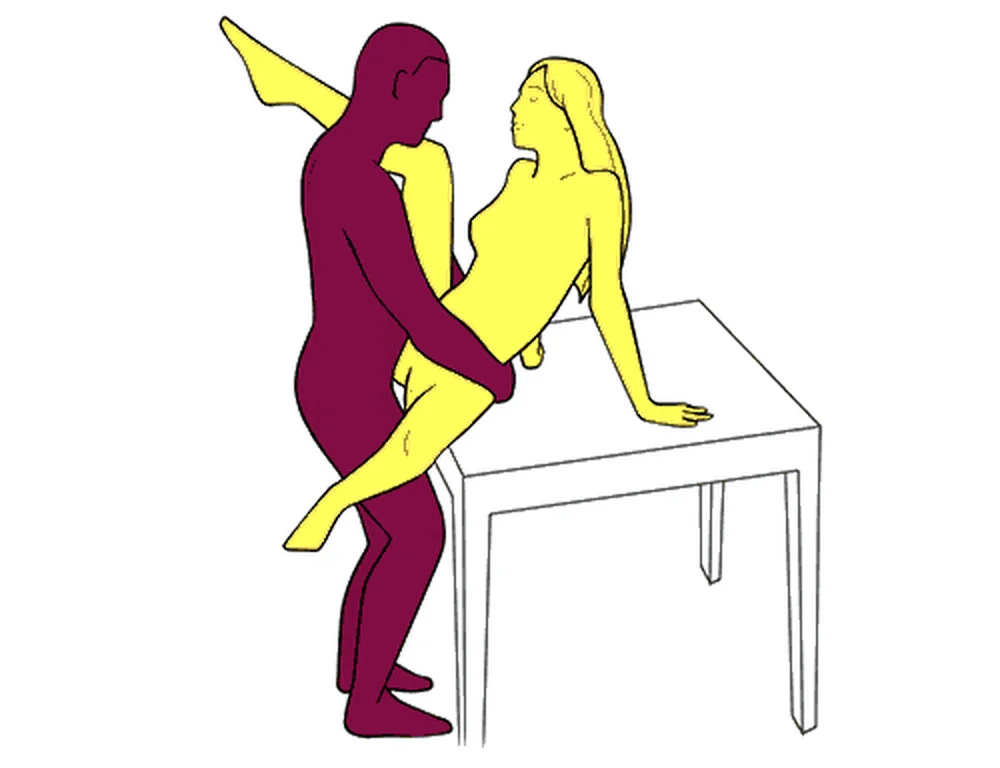
A gentle, swaying motion like a slow dance together.
About This Position
Both partners stand facing each other, arms wrapped around one another, moving together in a slow, swaying motion. The penetrating partner enters while standing, and the couple moves together as if slow dancing, emphasizing connection and rhythm.
Best For
Anatomy & Physiology
Muscle Groups Involved
- Quadriceps
- Glutes
- Core
Angle of Penetration
Variable — the angle depends on the height difference and leg position
Targeted Pleasure Zones
Body Contact Points
Step-by-Step Guide
Both partners stand facing each other, close enough to wrap arms around each other. The receiving partner presses their back against a wall for support — the wall takes the balance burden so both partners can focus on connection.
The receiving partner lifts one leg and wraps it around the penetrating partner's waist, or wraps both legs around the waist if the height difference allows. The wall prevents the receiving partner from sliding down.
The penetrating partner supports the receiving partner with one arm around the waist and the other bracing against the wall. Enter at the angle created by the lifted leg — the standing position with a raised leg creates a slightly upward angle.
Move together in a slow swaying motion — shift weight from one foot to the other in a gentle side-to-side sway, like slow dancing. The movement is about rhythm and connection, not depth or speed.
Maintain continuous eye contact and use the proximity for kissing and whispering. The face-to-face standing position puts faces inches apart, making intimate communication effortless and natural.
If the standing position becomes tiring, the receiving partner can slide down the wall slightly to reduce the height, or the penetrating partner can bend their knees to adjust. The wall provides continuous support throughout.
Safety & Precautions
Warnings
- ! Requires strength and balance from the standing partner.
- ! Can be tiring quickly — keep sessions brief.
Modifications
- * Use a wall for additional support.
- * The receiving partner should help by gripping tightly.
Not recommended during pregnancy — the position may be uncomfortable or unsafe.
Medical References & Sources
The information on this page has been reviewed for accuracy by certified health professionals. The following peer-reviewed and authoritative sources were used in developing this guide:
- • Mayo Clinic — Sexual Health
- • American College of Obstetricians and Gynecologists (ACOG) — Sexual Health
- • National Institute of Child Health and Human Development (NICHD)
- • Cleveland Clinic — Sexual Health
- • Healthline — Healthy Sex & Relationships
Health Disclaimer: Always consult a healthcare professional before trying new positions, especially if you have back pain, joint issues, are pregnant, or have any medical condition. Stop immediately if you experience pain.
Pros
- + Extremely intimate and romantic
- + Full body contact
- + Great for eye contact and kissing
Cons
- - Requires similar height
- - Can be tiring to maintain
- - Limited penetration depth
Tips
- * Move together to music for the full experience
- * Use a wall for support if needed
Common Mistakes to Avoid
Even with the right technique, small errors can reduce pleasure or increase injury risk. Here are the most common mistakes couples make with the Slow Dance position:
Not using the wall
The wall is essential for this position — it provides the balance support that allows both partners to focus on connection rather than staying upright. Without the wall, one or both partners must concentrate on balance, which detracts from the romantic, slow-dance feel.
Moving too fast — turning it into a workout
The Slow Dance is explicitly about slow, rhythmic swaying. Fast, energetic movement turns it into an aerobic exercise rather than an intimate dance. The pace should feel like a slow ballad, not an upbeat song.
Height mismatch not addressed
If there's a significant height difference, the receiving partner's raised leg may not reach comfortably around the waist. In this case, the receiving partner can stand on a step or the penetrating partner can bend their knees. Forcing the position with a bad height match causes strain.
Neglecting the dance element
The swaying motion is what makes this position unique — it's literally called "Slow Dance." Standing still defeats the purpose. Even small weight shifts from foot to foot create the gentle rhythm that defines the position.
Variations to Try
Once you've mastered the basic Slow Dance, these variations can add new sensations and keep things exciting:
Add a Pillow
Place a pillow under the receiving partner's hips to change the angle of penetration and enhance stimulation.
Incorporate Manual Stimulation
Use hands to add clitoral or other external stimulation during the position for enhanced pleasure.
Slow Down the Pace
Switch from thrusting to grinding for a more intimate, sensation-focused experience.
Try Different Surfaces
Move from the bed to a couch, standing, or against a wall for different angles and experiences.
Related Positions
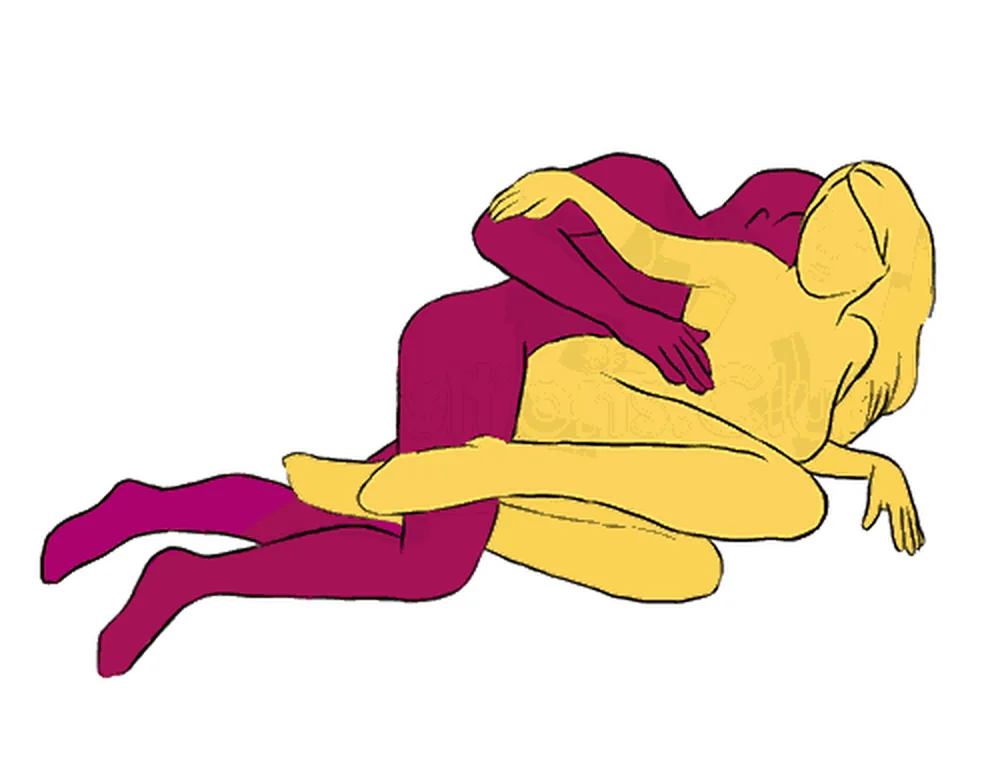 🥄
🥄 Spooning
Cuddle close with this gentle, sensual side position.
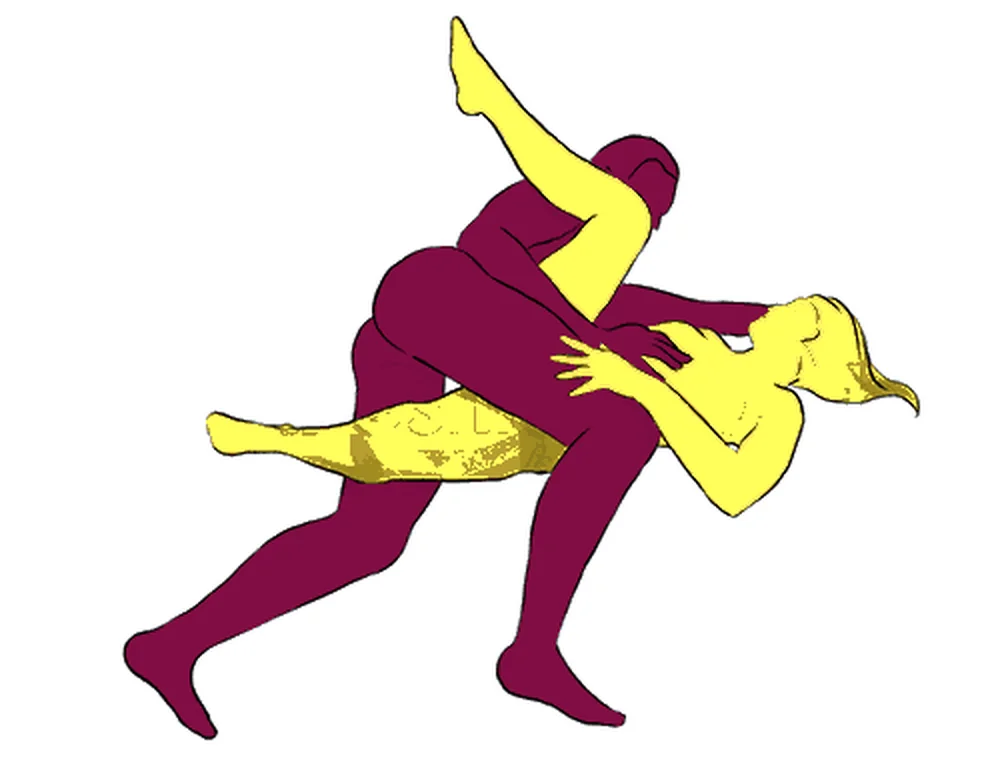 ✂️
✂️ Scissor
Intertwined legs create a tight, sensations-rich position.
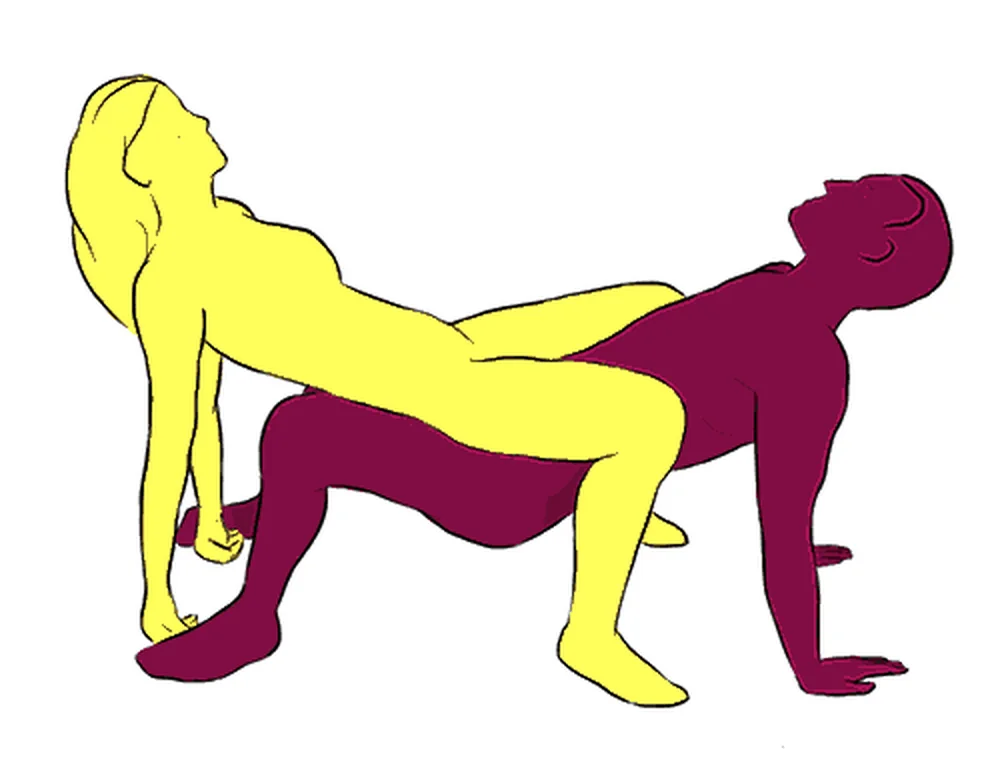 🕷️
🕷️ Spider
A face-to-face position with tangled legs like a spider.
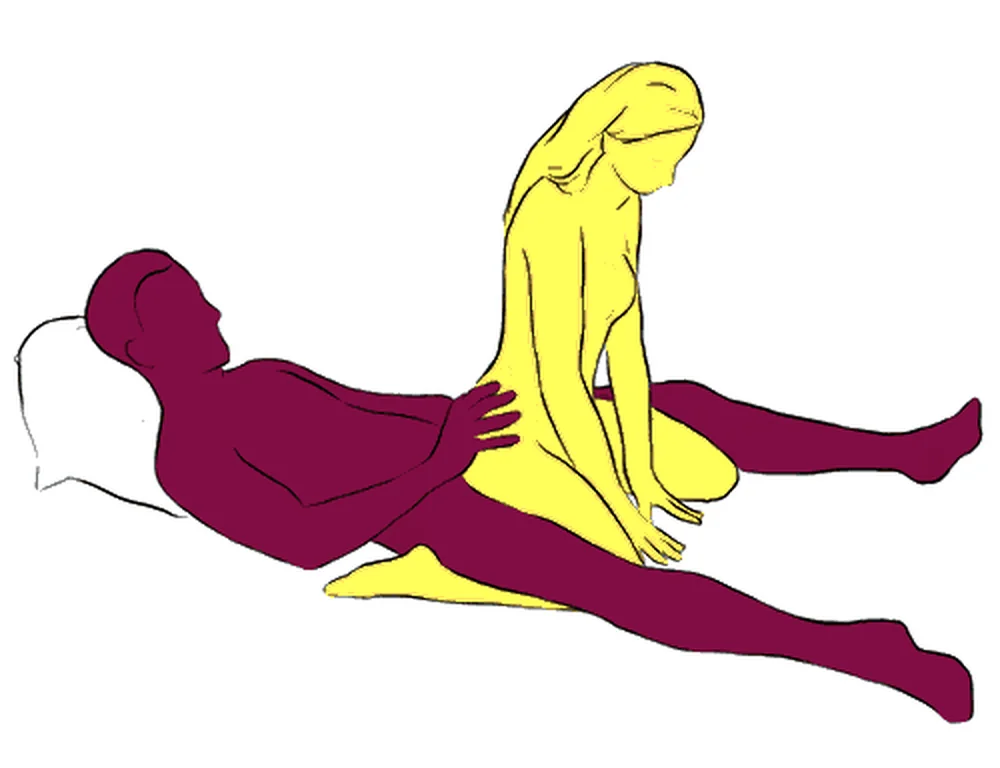 ✝️
✝️ Nun
A modest, crossed-leg position for gentle intimacy.
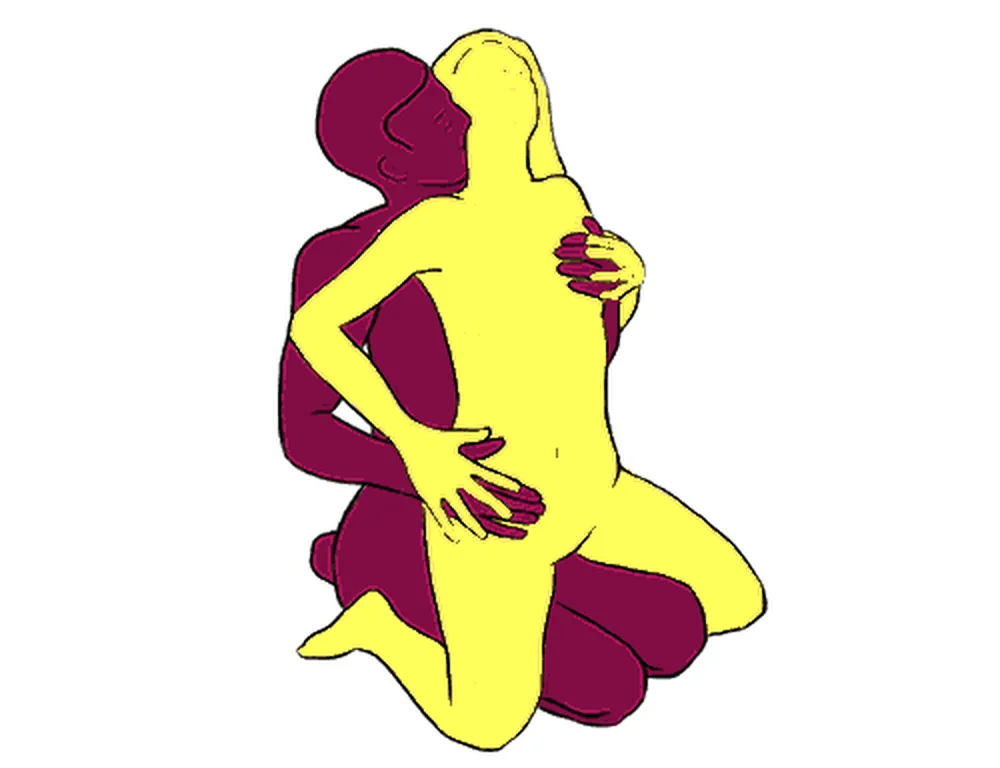 💃
💃 Lap Dance
Enjoy the show, then join in with this fun position.
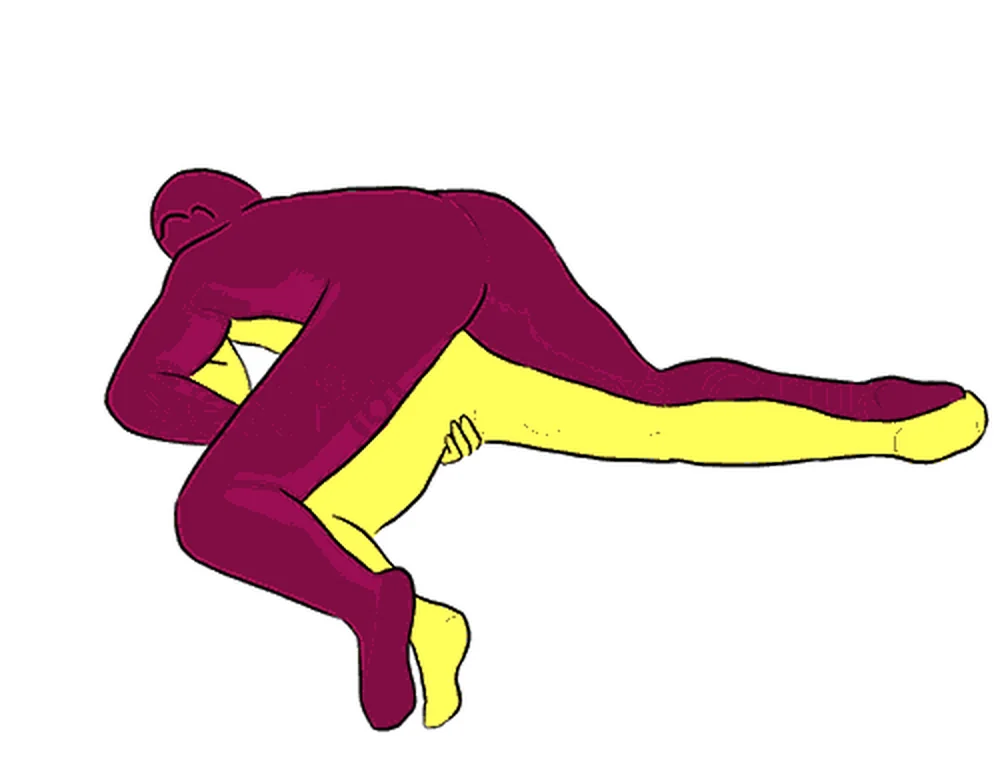 😴
😴 Lazy Dog
A relaxed, lazy version of doggy for low-effort pleasure.
Written by Dr. Sarah Mitchell
Certified Sex Therapist, PhD in Human Sexuality
Reviewed by Dr. James Chen
Board-Certified OB/GYN, 15+ Years Experience
Last reviewed: July 2026 | Content medically verified | Meet our full team
Related Articles
Doggy Style vs Missionary: Complete Comparison
Doggy style and missionary are two of the most popular positions worldwide. Compare depth, pleasure, comfort, and intimacy to find your favorite.
Comparison GuideMissionary vs Cowgirl: Which Is Better?
Missionary and cowgirl are two of the most popular sex positions. Compare intimacy, stimulation, ease, and control to find which works best for you.
Comparison GuideSlow Sex vs Rough Sex: Finding Your Style
Slow sex and rough sex offer different intensities and connections. Compare intimacy, control, pleasure, and intensity to find what works for you.
Intimacy GuideIntroduction to Tantric Sex: Connection and Pleasure
Discover tantric sex techniques for deeper connection and prolonged pleasure. Learn breath work, eye gazing, and slow intimacy practices for couples. Complete beginner's guide.
User Reviews
Rate this position
No reviews yet. Be the first to rate this position!